

Audio By Carbonatix
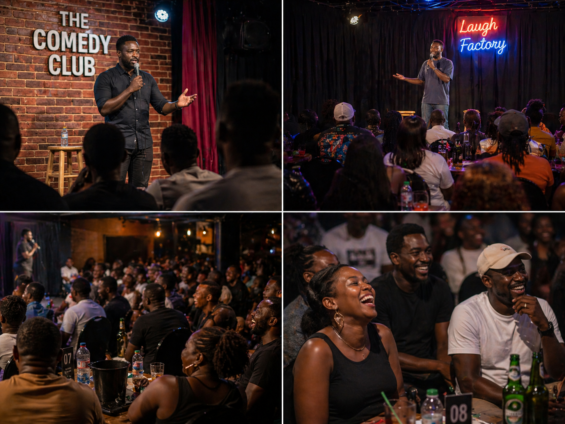
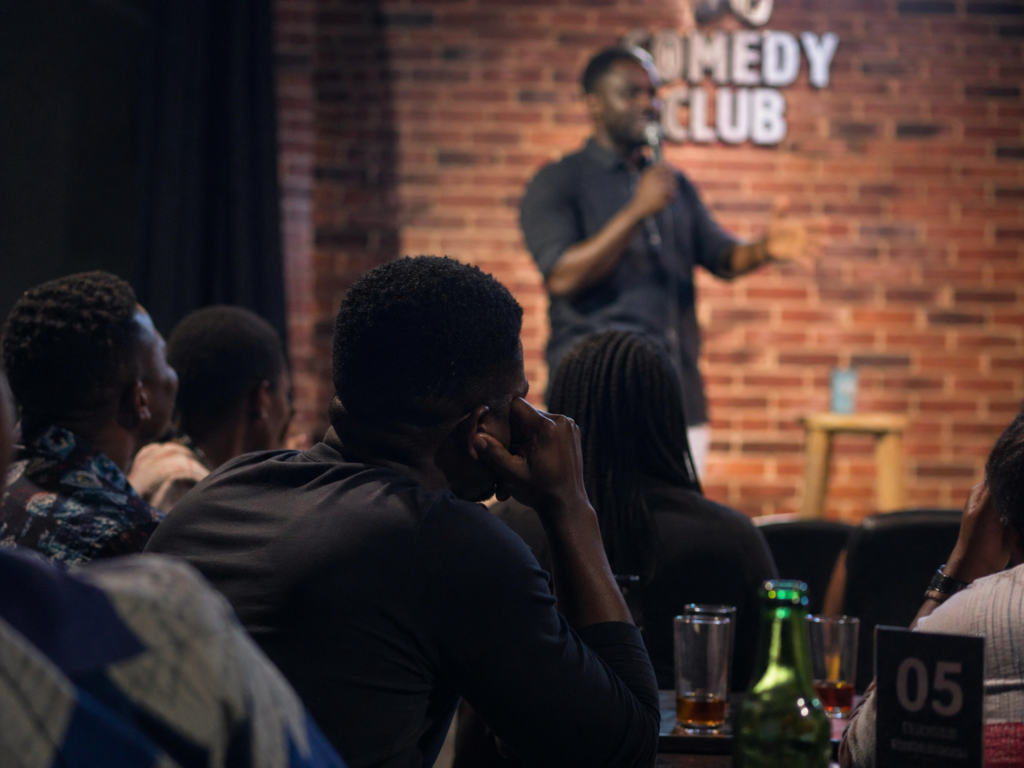
The lights go down, the room settles. The energy shifts in a familiar comedy-club manner, where laughter is anticipated to dominate the evening.
The opening act has done the work of loosening the crowd. The feature acts have sharpened the energy, building anticipation and excitement among the audience for the headliner.
Then the headliner walks in, the name on the poster, the reason many bought a ticket.
And somehow, the set begins to sag.
The pacing drifts, the jokes take too long to land, and the room starts checking out. By the end, the audience remembers the support acts more vividly than the person who sold the show.
This is becoming an uncomfortable pattern in some stand-up comedy shows in Accra, and it deserves a serious conversation.
The issue is not that headliners are not funny. It is that many of their sets feel unprepared, too long, and out of touch with the audience.
In a craft that depends on timing, structure and audience reaction, that is a serious problem.
Stand-up comedy is not just talking into a microphone. It is a prepared live performance built on writing, editing, sequencing, transitions and a strong closer.
Great comedy takes work; it is written, rehearsed and shaped by the audience’s reaction in real time, and that matters because the audience is not just there to watch. They are part of the performance. In stand-up, the crowd helps finish the work.
A joke is not complete on a page or in a notepad; it is completed in the auditorium. If a comedian fails to read the room or adjust when a joke fails, the entire set begins to falter.
Accra’s comedy scene is not struggling, far from it. If anything, it is actually growing. The circuit is more visible, the audiences are larger, and the talent pool is expanding.
What was once a side attraction is steadily becoming a serious part of the creative economy, and that is exactly why this conversation matters.
A growing scene cannot afford weak headlining habits that leave paying audiences feeling shortchanged.
However, there are a number of reasons this keeps happening. Today’s headliner carries more than a microphone.
They are often their own marketer, sponsorship hunter, brand manager and promoter. In many cases, they are the face and engine of the entire production. That is a lot of work before the first punchline lands.
In a market where independent comedy still depends heavily on hustle, it is easy for the business side to consume the creative side. The show gets sold, but the set is not sharpened, and that explanation only goes so far.
Busy is not the same as prepared, promoting a show is not a substitute for writing a tighter set, chasing sponsors is not a substitute for rehearsal, and having a big name on a flyer does not automatically earn 45 minutes of audience patience. If anything, the bigger the name, the higher the standard should be.
The headliner sets the tone, and when the strongest billing delivers the weakest set, the show starts to feel over-hyped. This is where the industry has to become more honest with itself.
At its best, comedy is a conversation with the room. It depends on timing, awareness and the discipline to drop a joke that is not working.
It also depends on restraint, and the strongest performers know that long is not the same as good. They understand that crowd work is not an excuse to drift and that momentum is a form of respect because the real cost of mediocrity is not just a bad review; it is audience trust.
It is the first-time attendee who decides not to return. It is the sponsor who begins to question the value. It is the promoter who hears that the line-up was strong but the main act dragged.
That kind of damage builds quietly, and it is harder to fix than a bad set.
The answer is not to tear down headliners. It is to demand more from them. It starts before the show, with preparation, and then it continues in rehearsal, where material is tested and refined.
It shows up on stage, where the comedian listens as much as they perform, and it ends with discipline. Knowing when to stop, knowing when the audience has had enough and knowing how to leave them wanting more.
Ghana has the talent to build a serious comedy culture, but what it cannot afford is a star system that rewards visibility over craft.
Posters may sell the night, but the performance must deliver it because in comedy, as in any live art, the audience does not come to admire effort. They come to feel it pay off.
About the Author
Amelley Djosu is a marketing communications strategist, creative entrepreneur and journalist who writes on culture, performance and the business of creativity. Her work interrogates trends within Ghana’s evolving entertainment landscape and offers grounded insights that shape industry conversations.
Latest Stories
-
Ghana’s BRICS move requires clear strategy to manage risks – Godfred Bokpin
55 minutes -
Pay teachers realistic income – Duncan Amoah to gov’t
1 hour -
Bechem to become chicken capital of Ghana – Mahama projects
1 hour -
Gov’t targets recruitment of 16,500 health professionals in 2026
2 hours -
Two-week strike will not derail academic calendar – GNAT President
2 hours -
Headmaster detained after BBC investigation into alleged sexual abuse of students
2 hours -
GNAT pushes for clear implementation procedures of teachers’ conditions of service
2 hours -
Recurrent strikes threaten quality of education and academic calendars – Prof Bokpin
2 hours -
‘Cockroach’ group leaders among hundreds detained in Delhi protest
2 hours -
Don’t let speed of information become your judgement – CJ tells new lawyers
3 hours -
World Cup visa scandal: People have leveraged public office to facilitate fraud – Senyo Hosi
3 hours -
Glut! Farmers count losses as prices crash, customers happy
4 hours -
GSA postpones auction of unserviceable vehicles
4 hours -
Man charged with attempted murder after stabbing
4 hours -
World Cup visa scandal: Senyo Hosi says issue goes beyond calls for Sports Minister’s resignation
4 hours