

Audio By Carbonatix
The World Bank Group's Policy Notes, themed “Transforming Ghana in Generation” has stated that Ghana can achieve a generational transformation, by implementing comprehensive policies and institutional reforms to boost productivity, improve infrastructure services, and strengthen human capital and its workforce skills.
The World Bank said the reforms could sustain economic growth exceeding 6.5 percent, triple per capita income by 2050, and counter headwinds from demographic trends and the decline in natural resources.
Ghana's income per capita has stagnated at around $2,200 over the past decade, with poverty affecting over a quarter of the population and regional disparities worsening due to limited structural transformation and dependency on natural resources. Rising macroeconomic imbalances led to a severe crisis in 2022, further hindering job growth and undermining poverty reduction efforts.
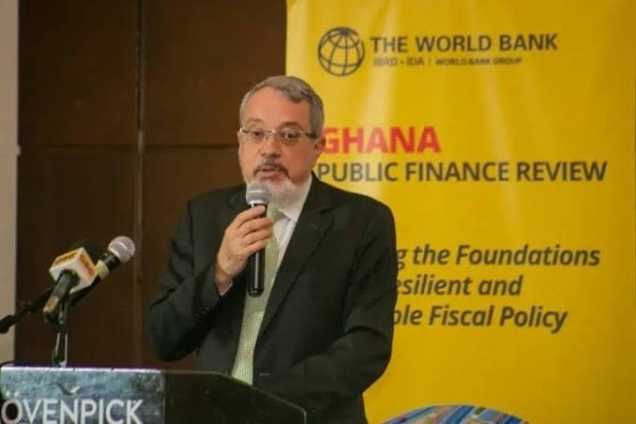
"Ghana has a unique opportunity to restore fiscal discipline, improve governance, and leverage natural and human capital resources for broad-based and inclusive development to transform the country within generation”, said Robert Taliercio O'Brien, World Bank Division Director for Ghana, Liberia and Sierra Leone.
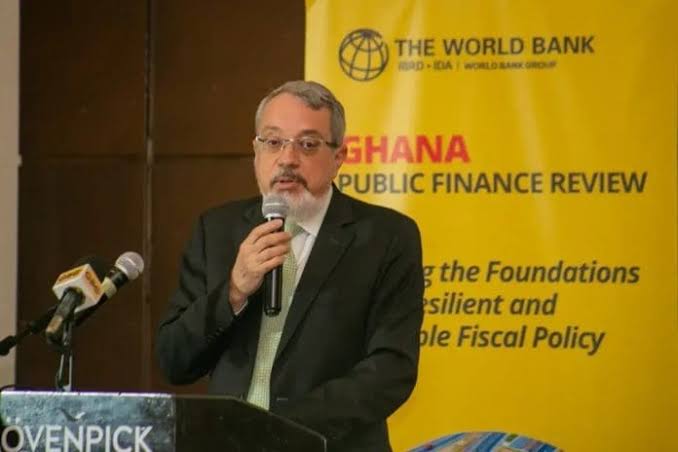
"To sustain high growth, Ghana must join other countries that have maintained prolonged periods of economic growth and successfully avoided the middle-income trap by maintaining macroeconomic stabilize low inflation rates, and sustainable public finances."
The report underscored an urgent need for reform which include a break from past governance failure marked by fiscal indiscipline, inefficiency, and repeated IMF programs.
In addition, the government must restore credibility through fiscal consolidation, transparency, and institutional reforms, put debt on a sustainable path and avoid premature reentry to the Eurobond market.
The Policy Notes outlined four critical foundations for driving Ghana's transformative agenda.
First, restoring macro-financial stability demands better revenue collection, expenditure management, reforms in key sectors like energy and cocoa to reduce fiscal risks.
Second, boosting productivity and jobs require a business environment that attracts investment in high-productivity sectors, while improving education, health, and social protection to build human capital.
Third, sustainable management of natural resources and resilience in agriculture and infrastructure are essential for broad-based, inclusive growth.
Lastly, reinforcing governance through stronger institutions, anticorruption efforts, and public sector reform are vital to restore trust and support effective development.
Latest Stories
-
Drug bust case: Only Customs officers, MPS officials in scanning room – NACOC
49 minutes -
I don’t mind being insulted; I have a crocodile skin – President Mahama
1 hour -
Samson’s Take: Verify the badge – and verify the story
1 hour -
President Mahama explains why Ghana must rethink regulation of TikTok, other new media platforms
1 hour -
Rule of law must be protected – GBA condemns EOCO action against Baffour Awuah
3 hours -
950,000 barrels of Sankofa crude head to TOR as GNPC deepens domestic refining
3 hours -
Scales of deception removed – Annoh-Dompreh attacks new cocoa price
3 hours -
Young Positivist Writes : My Experience with GCLP
4 hours -
Strong Day 1 turnout sets tone for Day 2 of Republic Bank-JoyNews Habitat Fair Clinic
5 hours -
Ghana Army warns new soldiers against social media misuse, uniform abuse
5 hours -
AMA calls for science-led action to tackle environmental health risks in Accra
5 hours -
NPP Canada Organizer BigMo urges Diaspora to support Kodua Frimpong
6 hours -
He entered at eight; he is now 16: Ghana’s children growing up in prayer camps
9 hours -
‘Development must not always begin from Accra’ — Anwelle Foundation launched in Jirapa
9 hours -
PKO trio eye victories at Odwira Festival
12 hours