


Audio By Carbonatix
A Senior Manager of Tax and Regulatory at Deloitte Ghana, Henry Laryea Quartey, has recommended some key leadership strategies to the Ghana Revenue Authority in managing change under its Audit Transformation Agenda.
This he believes will better modernize and reposition the tax audit function as very efficient and expose tax auditors to new audit methodologies, digital tools and risk-based approaches.
Speaking as a panelist on the topic "Building Capacity for Tax Auditors in the Digital Age" at the Just-ended Tax Auditors' Conference 2025, Mr. Quartey identified the need for the leadership of GRA to have a contextualized vision.
“While global best practices are valuable, the GRA's digital vision must be rooted in Ghana's specific needs and circumstances; and considering the current state of technology infrastructure, taxpayer demographics and the existing capacity of GRA audit staff”, he mentioned.
A "big bang" approach to digital transformation can be risky. A phased implementation strategy would allow the Authority to test and refine new systems and processes, learn from early experiences, and build momentum”, he added.
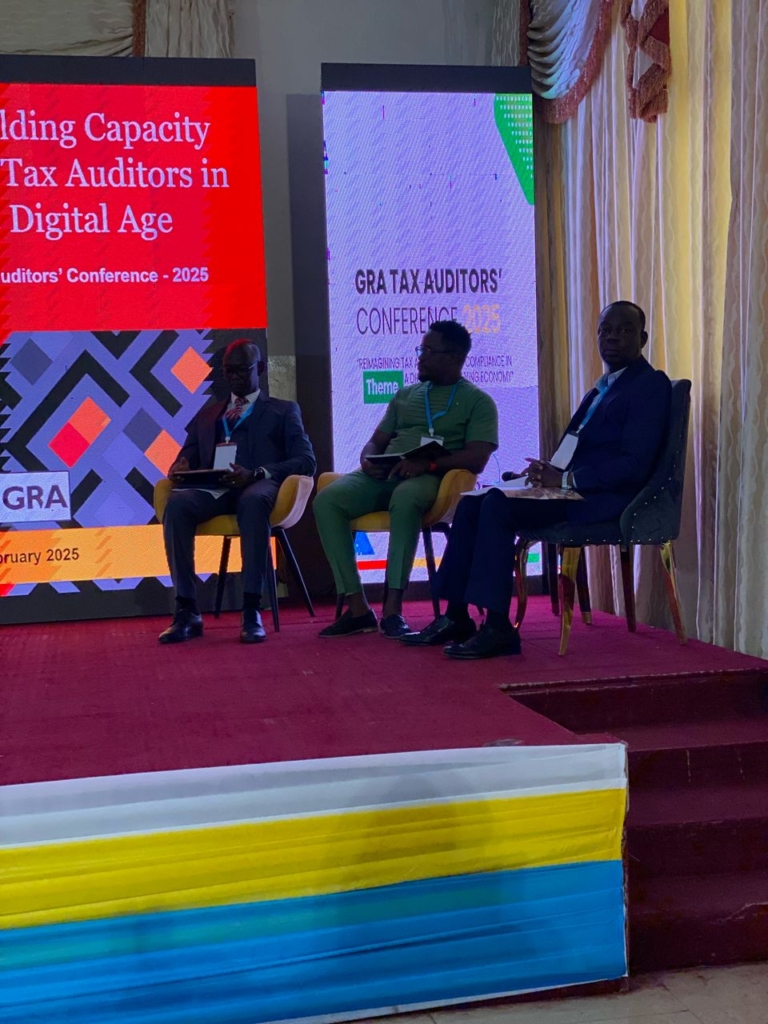
Among other strategies, Mr. Quartey said there is a need for consistent stakeholder engagements and effective communication. Beyond internal communication, active engagement with taxpayers is critical.
He called for deliberate efforts to understand taxpayers' needs regarding digital services and conduct public surveys, focus group discussions, and fora to gather feedback and trust, adding, “This is especially important in our part of the world where digital literacy significantly varies”.
“In addition to capacity building tailored to the local needs of GRA audit staff, the leadership of the GRA should identify and empower "digital champions " within the Authority. These individuals would act as advocates for change, provide support to their colleagues and help to build the needed culture of innovation”.
He also urged the leadership to take lessons from other jurisdictions including Rwanda, Italy, and Estonia on how leadership strategies have been used to manage change in their tax administrations.
In Italy for instance, he said the tax authority laid great emphasis on data analytics and the use of Artificial Intelligence in tax compliance, stressing that in detecting tax breaches. AI helps to identify taxpayers' risk levels and ensure high-risk taxpayers explain any discrepancies detected.
The GRA Tax Audit Conference 2025 is a pivotal step in GRA’s ongoing Audit Transformation Agenda, aimed at modernizing and repositioning the tax audit function as a strategic tool for compliance.
The conference provided a transitioning mechanism for the GRA tax auditors, exposing them to new audit methodologies, digital tools and risk-based approaches.
Latest Stories
-
Customer Service Africa CEO urges business leaders to observe staff and customer interactions
8 minutes -
On night of mayhem for Liverpool, Barcola arrives in style
9 minutes -
Muzic Mensah finds healing and renewed love in new single ‘WayƐ Late’
21 minutes -
FIFA to offer extra £2.6bn for football development
23 minutes -
Government backing is no EPA permit – Authority warns GoldBod, ministries
31 minutes -
Real Madrid produce stunning late fightback to down Roma
43 minutes -
EPA orders immediate halt to unpermitted reclamation and dredging nationwide
52 minutes -
Afenyo-Markin’s lawsuit against Sammy Gyamfi takes focus away from development – Kpebu
1 hour -
FWSC urges media to guard against misinformation in proposed IPEC transition
1 hour -
MoMo Fest 2026: Shatta Wale to Rock Accra Stadium on October 17
1 hour -
GTEC’s letter directing public universities to reopen by October 16 is unprofessional – GAUA
2 hours -
Suspect in viral video assaulting wife jailed for 3 months
2 hours -
GAUA insists strike will end only after Fair Wages addresses market premium issue
2 hours -
Kpemka seeks compensation as he sues BOST over alleged unlawful termination
2 hours -
GES asks applicants to check status of 2026 promotion applications on October 15
2 hours