

Audio By Carbonatix
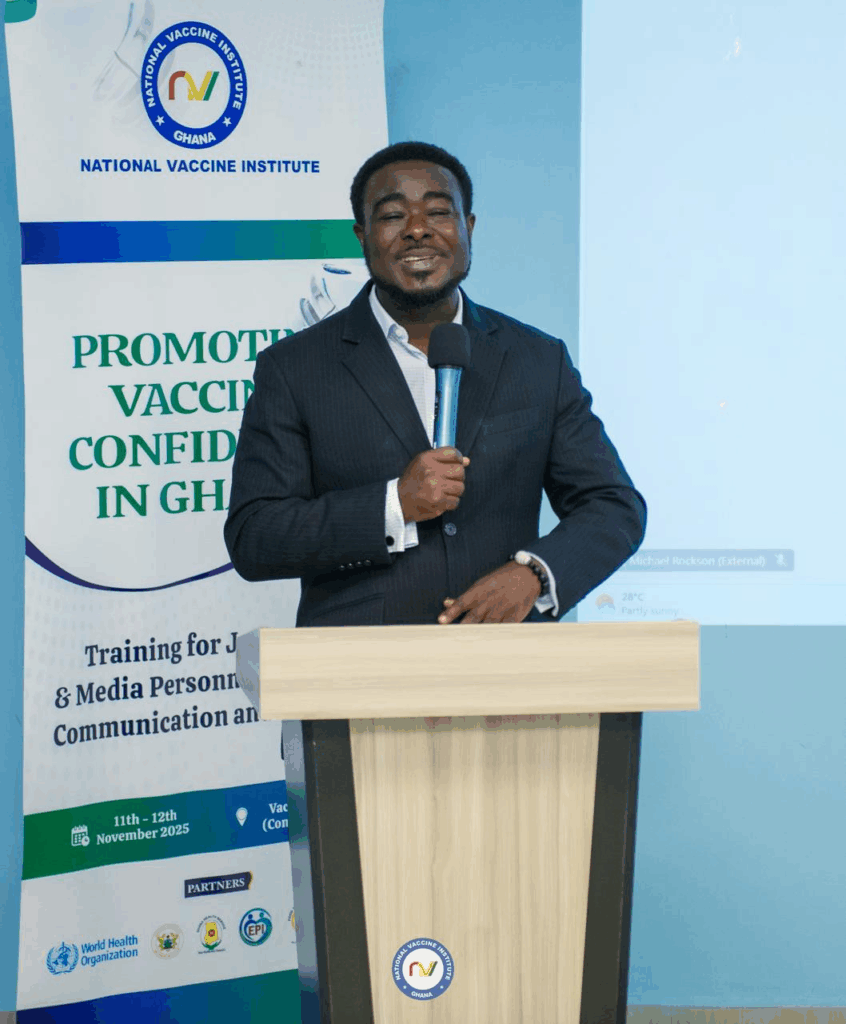
The Chief Executive Officer of the National Vaccine Institute (NVI), Dr Sodzi Sodzi-Tettey, has urged journalists across Ghana to become key partners in building public confidence in vaccines, particularly as the country advances towards producing its own.
Delivering a welcome address at the opening of a two-day training workshop on Vaccine Communication and Advocacy in Accra, Dr Sodzi-Tettey stressed the media’s critical role in shaping public perception, countering misinformation, and fostering trust in Ghana’s health system.
“Imagine a situation where we have gone ahead to manufacture our own vaccines, only for unfounded rumours to spread,” he said. “If journalists are not well-informed or adequately prepared, they could unintentionally become vehicles for misinformation. That is why this partnership between the media, NVI, the Ghana Health Service, and the Food and Drugs Authority is so important.”
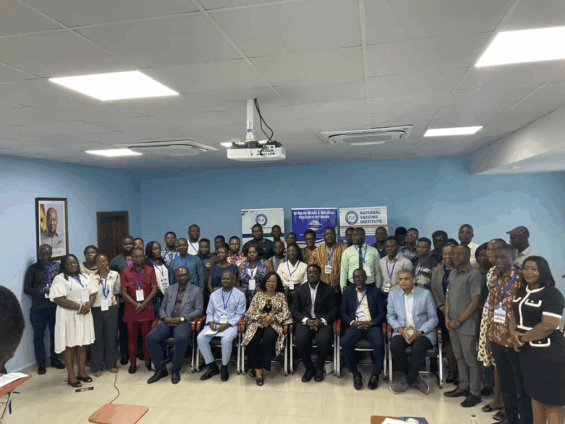
The training brought together journalists from across the country as part of a broader national effort to strengthen vaccine advocacy, promote accurate reporting, and support Ghana’s goal of achieving vaccine self-sufficiency.
Local Manufacturing and Global Partnerships
Dr Sodzi-Tettey revealed that Ghana is making steady progress toward producing its first locally manufactured vaccine, supported by international collaborations such as a technology transfer agreement with Indonesia’s vaccine institute, Bio Farma.
“We are not compromising on any quality or safety standards,” he assured. “We are working hand in hand with the FDA, the Ghana Health Service, and our Indonesian partners to ensure that the first vaccine manufactured in Ghana meets the highest international standards.”
He disclosed that the first vaccine under development—focused on the Betamosing area—is expected to roll out by 2026 or early 2027, following the arrival of key components from Indonesia in early 2026.
Tackling Vaccine Hesitancy
Addressing vaccine hesitancy, Dr Sodzi-Tettey praised the evidence-based approach being used by the NVI and its partners. “It’s not just about anecdotal reports,” he said. “We are conducting surveys, analysing online engagement, and visiting communities to listen to people—chiefs, traders, farmers, students—to understand their concerns and build trust.”
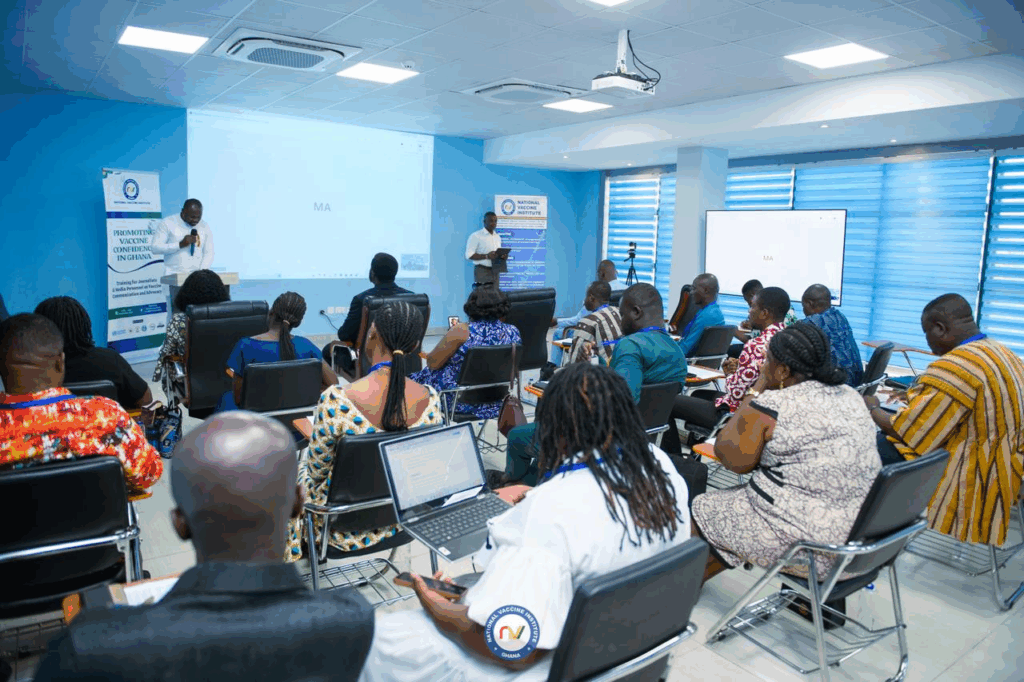
He added that journalists trained through the programme would serve as a bridge between the Institute and communities, sharing accurate information and amplifying public voices.
“This is not just about talking to people,” he emphasised. “It’s also about listening to them. We want to build expectations and confidence in the vaccines we will soon produce locally.”
Presidential Commitment to Vaccine Self-Sufficiency
Dr Sodzi-Tettey reaffirmed President John Dramani Mahama’s commitment to making Ghana a vaccine-producing nation, a vision also championed by the Minister of Health.
Reflecting on the COVID-19 pandemic, he noted that Africa’s reliance on external vaccine supplies left the continent vulnerable. “Each time there’s a pandemic, Africa is left waiting,” he said. “When COVID-19 hit, wealthy nations hoarded vaccines to meet their own needs first. That’s why Ghana must achieve vaccine self-sufficiency. We cannot afford to be unprepared again.”
A Shared Mission
Describing the vaccine manufacturing journey as “tough but necessary,” Dr Sodzi-Tettey said Ghana is building the institutional and regulatory foundations required for success. He called for ongoing engagement between the NVI and the media to ensure transparency and accountability throughout the process.
“Our work is cut out for us, but with your support—and with regular communication—we will succeed,” he said.
He ended on a light note, thanking the organisers for ensuring participants’ comfort: “Let’s have a great two days of learning and collaboration. Please make sure they eat well and sleep well,” he added with a smile.
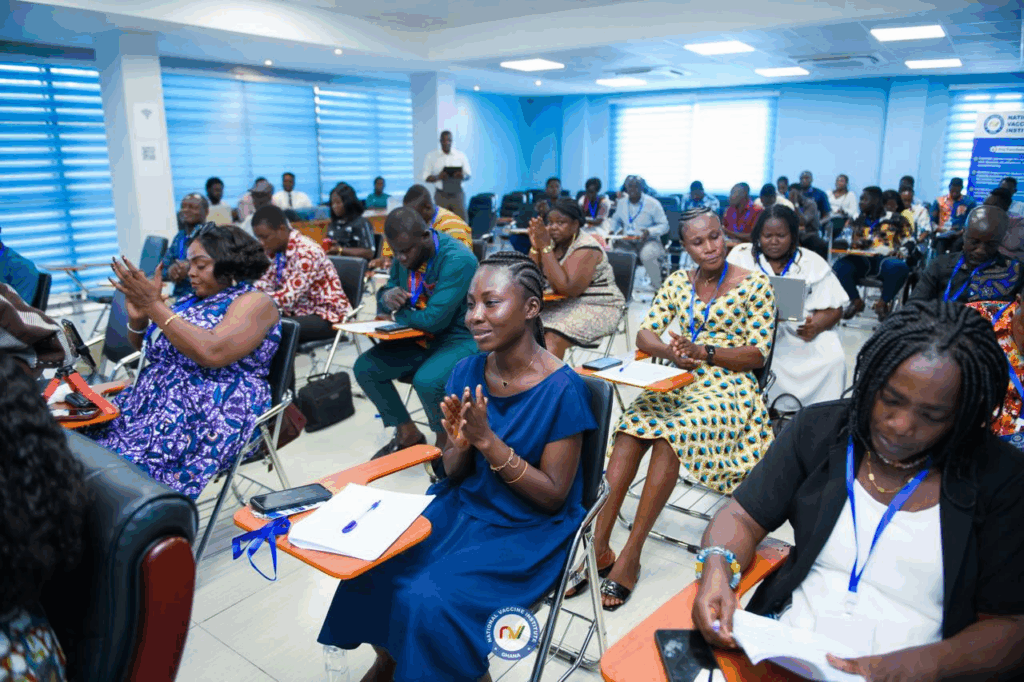
Participants described the training as timely and impactful, pledging to use their platforms to promote science-based reporting on vaccines and public health.
The NVI’s collaboration with the media marks an important step toward transforming Ghana’s vaccine landscape—from dependence to self-reliance—and ensuring that the next global health crisis finds the country ready and resilient.
Latest Stories
-
Ecobank Group commits US$2.6bn to women-led businesses and agribusinesses across Africa
3 minutes -
Ghana to host high-level conference on scaling education initiatives in emergencies
26 minutes -
Democracy must not be for sale: Who pays for Ghana’s politics, and how do we confront money, influence and accountability?
41 minutes -
Aburi Amanfrom landowners appeal for government support for Atwapim development project
45 minutes -
Cargill Ghana and International Cocoa Initiative celebrate 111 young graduates building skills for the future
1 hour -
Video: Madina MP Francis-Xavier Sosu collapses while addressing students at GIMPA
1 hour -
Hunnyboy reveals how social media landed him Shatta Wale feature
1 hour -
I am a perfectionist – Actor William Lamptey
1 hour -
No room for another false start as Ghana begin AFCON qualifying campaign
2 hours -
“We are grateful for what you have achieved” – AGI President tells Finance Minister
2 hours -
“No Nation is Inferior”: Mahama champions human dignity and security council reform at the UN
2 hours -
Manhyia South residents, NPP executives fume over botched EOCO arrest of MP
2 hours -
Mahama unveils new deal with global philanthropy
2 hours -
Daily Insight for CEOs: Building customer-centric leadership
3 hours -
Democracy must deliver food, jobs and healthcare, not just elections – Mahama
3 hours