

Audio By Carbonatix
Ghana’s national electronic waste (e-waste) collection scheme has expanded to the Ashanti Region, with authorities projecting significant economic benefits alongside its environmental impact.
The initiative, led by the E-Waste Fund, is expected to open new income streams for scrap dealers, create recycling-sector jobs, and increase revenue for local assemblies through formal registration and regulation.
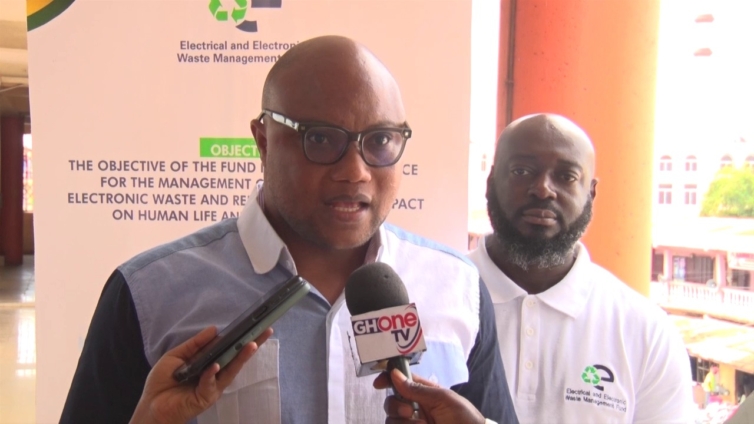
Monitoring and Evaluation Head at E-Waste Fund, Gerald Adu-Gyamfi, highlighted that formalized e-waste collection will allow local authorities to better track activities in the scrap industry and generate internally generated funds (IGF).
“Municipal assemblies will now be able to identify and regulate scrap dealers, register them, and improve revenue flows,” he said. “Scrap workers will also see enhanced earnings as materials previously discarded now hold market value.”
By establishing centralized collection centers, the program channels toxic electronic components to licensed recyclers, creating a business pipeline for companies specializing in safe recovery of metals and reusable parts. This approach reduces landfill dumping and prevents valuable materials from being lost in the informal economy.
Deputy Fund Administrator, Amos Blessing Amorse, noted that after successful pilots in Greater Accra and the Eastern Regions, the commercial growth potential in Kumasi made expansion strategic.

“We are creating a more environmentally friendly system that also supports business,” he stated. “Recyclers can now access steady raw materials, scale operations, and employ more workers.”
Environmental Officer Ebenezer Yeboah added that sustained sensitization will support compliance and long-term market viability, emphasizing that reduced open burning means lower clean-up costs for assemblies and safer conditions for workers’ indirect savings that benefit local economies.
The Chairman of the Scrap Dealers Association admitted that many workers previously destroyed devices such as televisions in ways that damaged components and reduced resale value.
“We now know how to handle items properly and deliver them to collection centers,” he said. “This increases what we can sell instead of wasting parts.”
He also plans to disseminate the new business guidelines during weekly association meetings, reinforcing industry-wide adoption.
Sector analysts project that a growing supply of collected e-waste will attract more recyclers, upcyclers, technicians, and transport services, strengthening the circular economy around discarded electronics.
As Ghana intensifies efforts to modernize the scrap trade, policymakers believe the initiative positions the industry not just as an environmental necessity but as a commercial growth opportunity capable of supporting jobs, entrepreneurship, and municipal revenue expansion.
Latest Stories
-
MamaCare CEO warns unresolved conflicts among health workers could undermine maternal and neonatal care
3 minutes -
Health professionals urged to translate medical knowledge into practice to save mothers
9 minutes -
Conflicts among care providers linked to maternal, neonatal deaths – Expert
2 hours -
GIS marks 10th TIME conference, champions improved teaching practices
2 hours -
BRICS Or Balance? What Ghana’s bid really means
2 hours -
GPRTU wants full TRAFFITECH-GH implementation to start in 2027
3 hours -
Mahama announces plans to import electric wheelchairs for PWDs
3 hours -
KGL U17 Colts 2026: Western beat Prempeh Elite Academy to set up final final with Greater Accra Region
3 hours -
Late Solanke strike salvages 10-man Spurs draw at Man United
3 hours -
Gender Ministry to monitor welfare of Nana Akua Addo’s children amid domestic violence case
3 hours -
Benedict Okyere Yeboah: Ghana’s football problem goes beyond sacking a coach
3 hours -
GPL 2026/27: Darkwah Wiafe’s winner sees All Blacks beat Kotoko
4 hours -
ITF World Tour : Patel Wins Boys’ Singles Final at J100 Accra
4 hours -
Ghana must pursue BRICS partnership if it brings economic benefits – Kpebu
4 hours -
Success and Wright Claims J100 Accra Girls’ Doubles Championship
4 hours