

Audio By Carbonatix
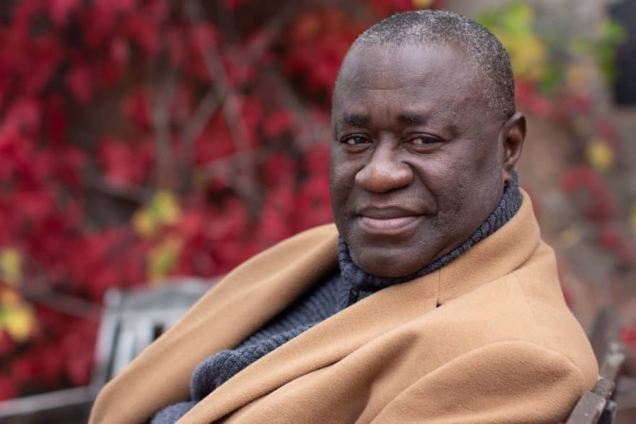
Security expert, Prof Kwesi Aning, says Ghana’s fight against illegal mining, known locally as galamsey, is failing to make real progress because authorities continue to focus on those employed as miners rather than the powerful financiers behind the operations.
Speaking on JoyNews’ Newsfile on Saturday, October 11, Prof Aning said the country’s current approach to tackling illegal mining was too superficial and has failed to address the deeper, more organised networks that fund and sustain the menace.
“We need a better grasp and understanding of the networks, the financial kingpins behind this, where the money goes, how the money comes in, who purchases what,” he said.
He said that security agencies were largely targeting low-level actors instead of the real beneficiaries of illegal mining activities.
“We are only playing with the small boys and the small girls, so until we really come to grips with the powers that be behind this process, I think yes, we will have superficial successes, but really making a dent into this is still a joke,” Prof Aning stated.
He warned that while recent operations may produce some short-term gains, they do not offer lasting solutions to the environmental and economic destruction caused by galamsey.
“We are only looking at short-term successes and gains, but overlooking the long-term interventions that will cure this,” he said.
Prof Aning questioned why special task forces such as the National Anti-Illegal Mining Operations Squad (NAIMOS) seemed to be achieving more visible results than the country’s legally mandated security institutions.
“How can NAIMOS do what it is doing, and the statutory security agencies under Act 1030 of 2020, the Signals Act 1040 of 2020, and the National Security Strategy document, which classifies illicit mining as one of four key threats, cannot get this job done?” he asked.
He said that the failure pointed to a deeper problem of inadequate political will to empower institutions to act effectively.
“Then it is a matter of the nature of the political will that must back the institutional processes and give them the tools to deliver,” Prof Aning said.
Latest Stories
-
Chef Abbys: Feeding 50,000 people, putting food security on Ghana’s agenda
25 minutes -
Ho set to host Republic Bank–JoyNews Habitat Fair as multiple firms prepare to showcase housing solutions
33 minutes -
NPP demands public inquiry into alleged $600,000 World Cup visa fraud, wants Sports Minister, GTA CEO summoned
40 minutes -
I want my brand to be bigger than just music – Yaw Wazinga
43 minutes -
Houthi missile attack on Yemeni presidential palace kills two, minister says
44 minutes -
I hoped to win an award; I worked hard – 2026 Best Graduating Law Student
53 minutes -
Fraudsters increasingly target bank customers instead of banking systems – Fraud detection expert
54 minutes -
44 teacher sexual abuse cases tracked since 2015; school heads feature in 40% of recent cases — JoyNews Research
57 minutes -
Unchecked imports and the Middle East crisis threaten Ghana’s fragile food inflation anchor
1 hour -
Ecobank Junior Saver Big Pitch to reward 10 winners with GH¢2,000 each
1 hour -
AMA demolishes unauthorised pigsty obstructing Agbogbloshie waste evacuation exercise
1 hour -
I was filled with disbelief – Akosua Achia Sarpong Esq. shares her first reaction
1 hour -
Snake Village: A look at Volta Region’s hidden snake village and its tourism potential (Video)
1 hour -
Election Watch Ghana calls for constitutional reforms to strengthen Electoral Commission independence
2 hours -
NACOC, Postal and Courier Services Regulatory Commission intensify efforts to curb drug trafficking
2 hours