
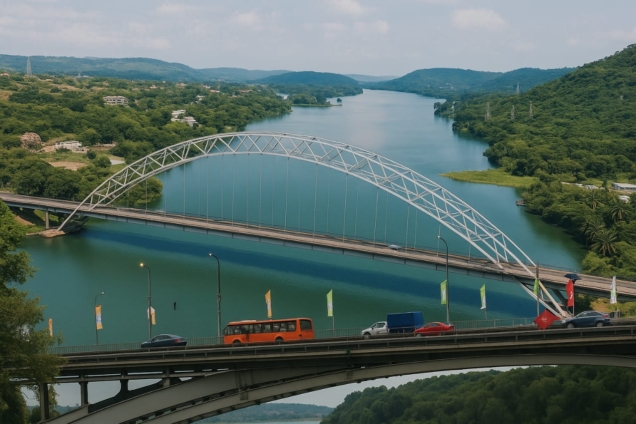

Audio By Carbonatix
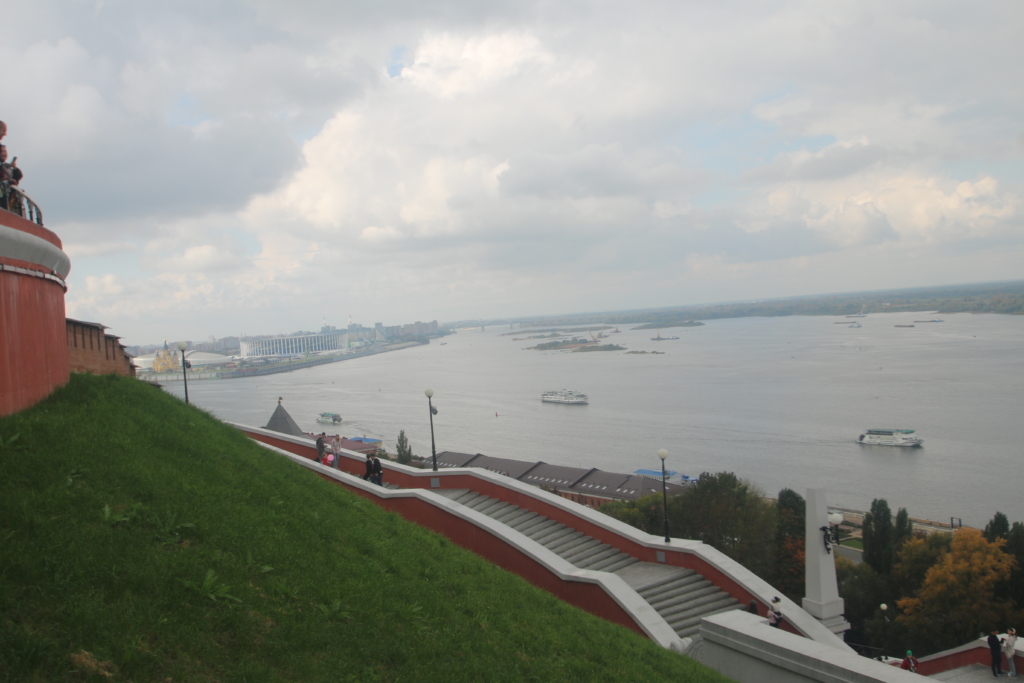
As winter slowly approached in Russia’s Nizhny Novgorod region, the trees along the River Volga began to change colour (at the time of my visit).
Their leaves turned bright red, orange and yellow, making the view from above look like a beautiful painting. The Volga flows quietly through the city, dividing it into two parts.
Standing by the river, I could not help but think of home of Ghana’s own Volta River. Even though the Volga is a natural river and the Volta is a man-made lake, they share many similarities.
Both are important to the people who live around them.
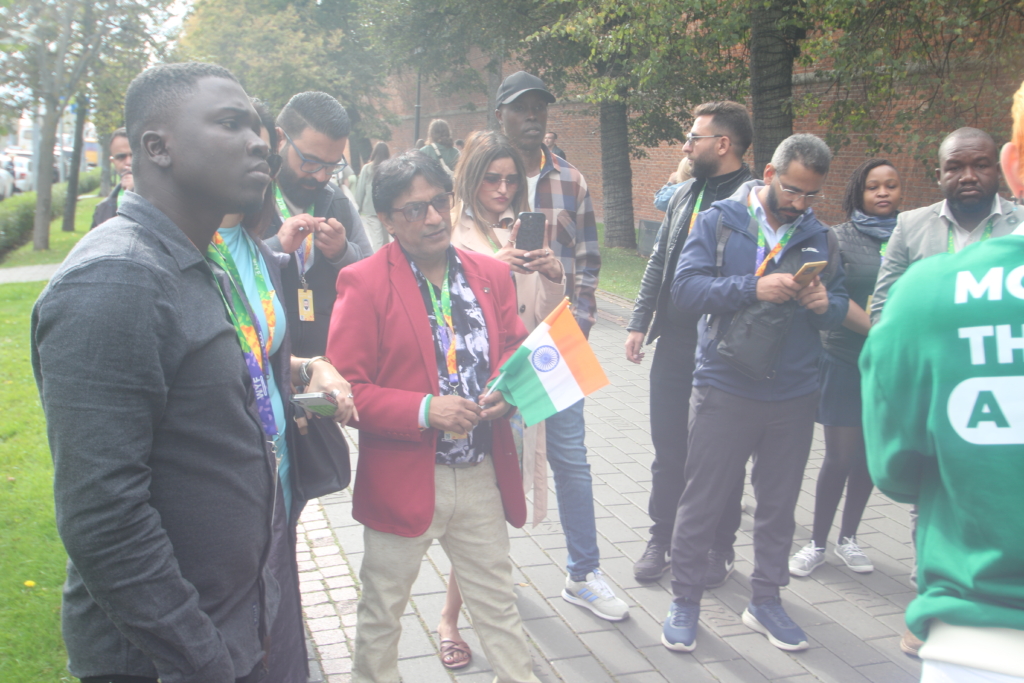
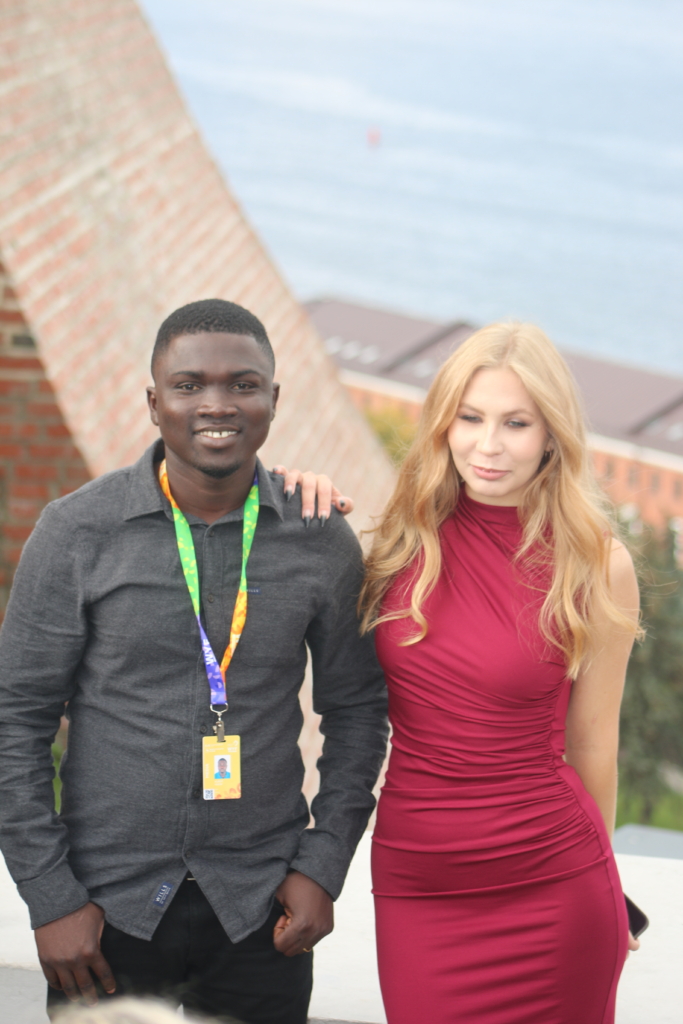
I travelled to Nizhny Novgorod with other journalists from around the world to cover the World Youth Festival. On my way from the airport to my hotel, our car crossed a large steel bridge over the Volga.
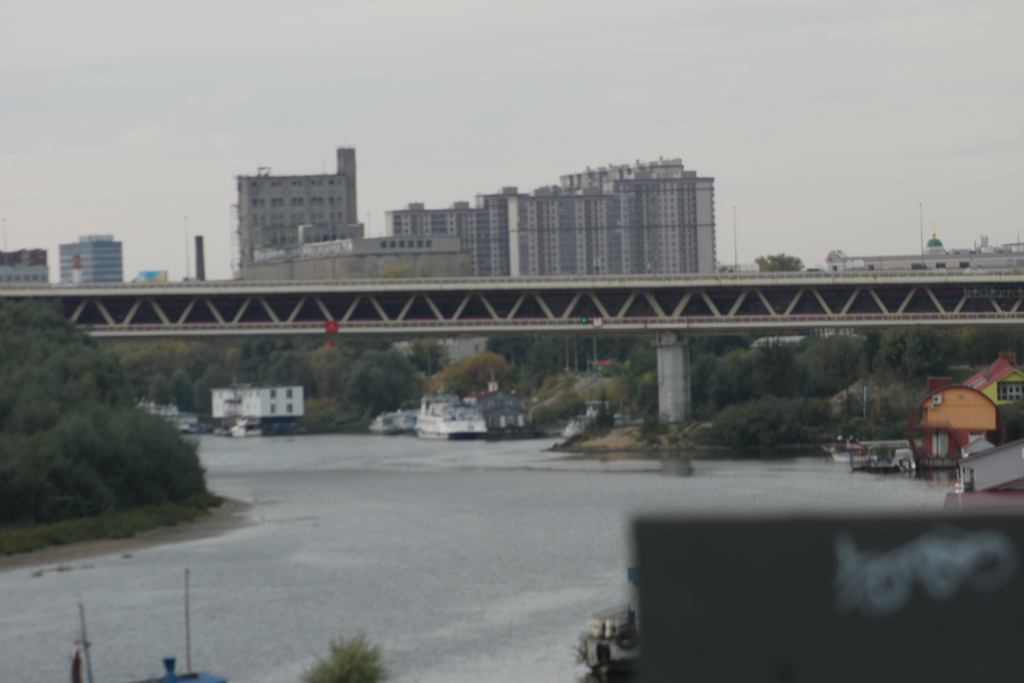
It reminded me of the bridge at Atimpoku in Ghana. Out of curiosity, I asked the driver about the river, and he told me it was called the Volga.
The Volga is the longest river in Europe, stretching 3,531 kilometres. It flows through Central and Southern Russia into the Caspian Sea.
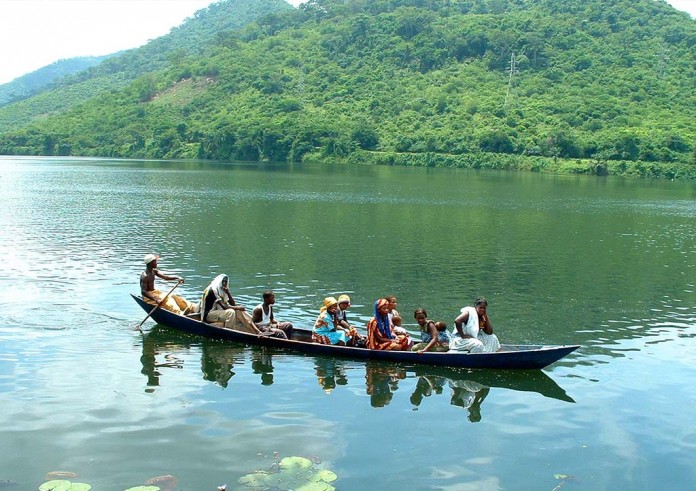
In Ghana, the Volta River begins from the highlands of Burkina Faso and flows south through the country. It has three main parts, the Black Volta, the White Volta and the Red Volta, which join to form Volta Lake, one of the largest man-made lakes in the world.
Life along the Volga
The Volga River is full of activity. Along its banks, I saw big ships carrying timber, farm produce and goods from nearby communities into the city.
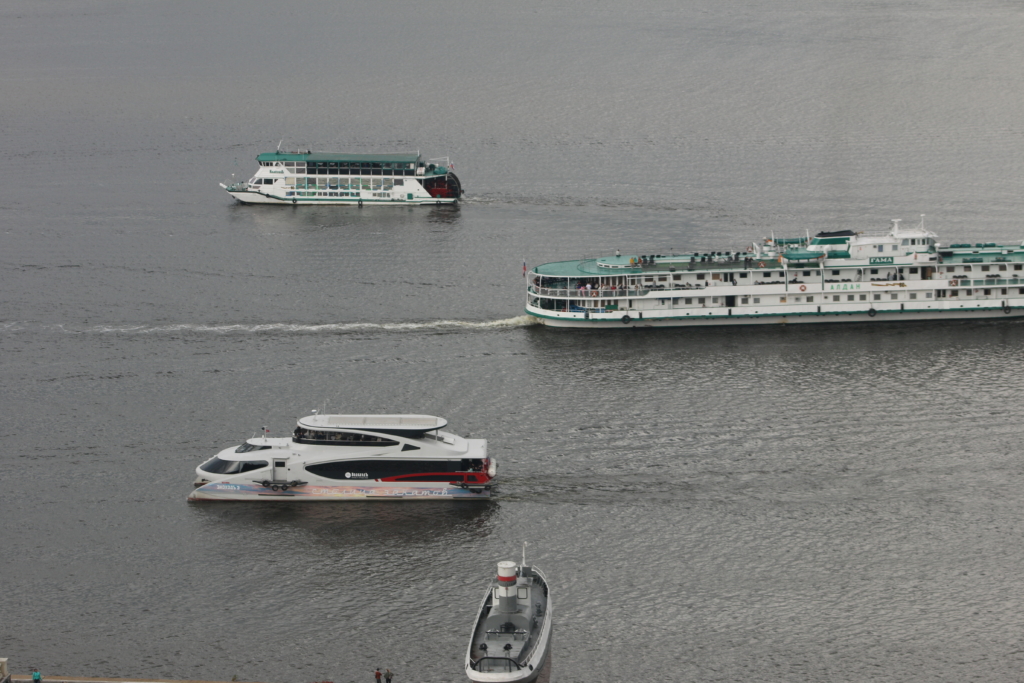
Ferries, yachts and small boats also moved across the water, transporting tourists and locals. It was clear that Russia has invested a lot in using the river for transport.
There were also many luxury cars parked near the river. Newly married couples often take photos there and hire these cars for their wedding rides.
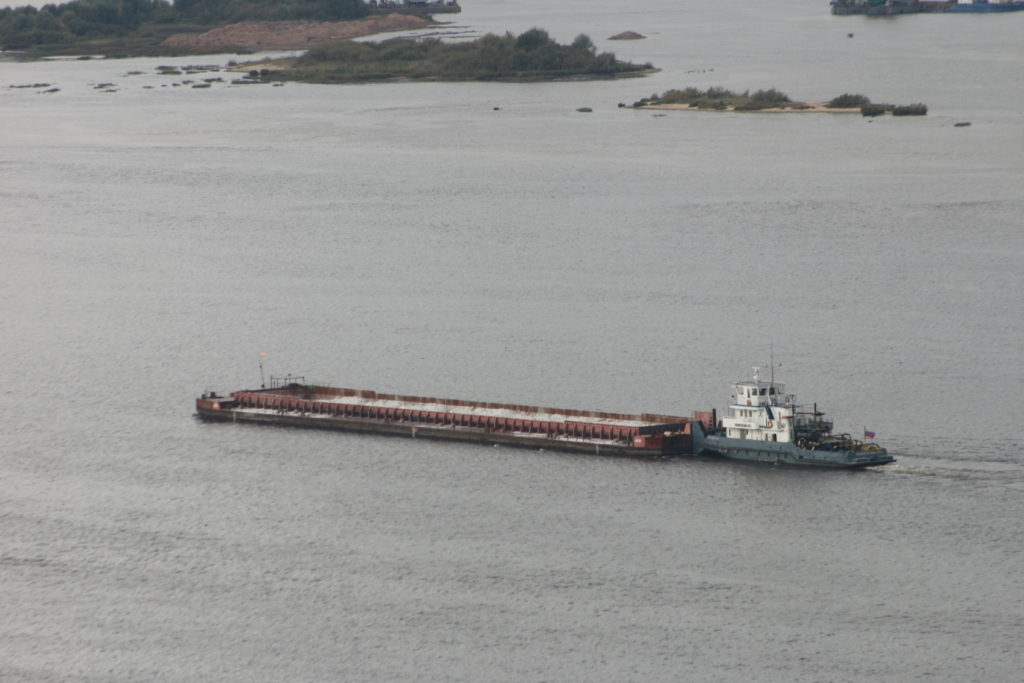
Beautiful artworks decorate the riverbank, attracting tourists who stop to admire and take pictures.
I met Ibrahim Nebyev, a local driver. He told me that most of his passengers are people going to and from the river area. For him and many others, the river is a source of daily income.
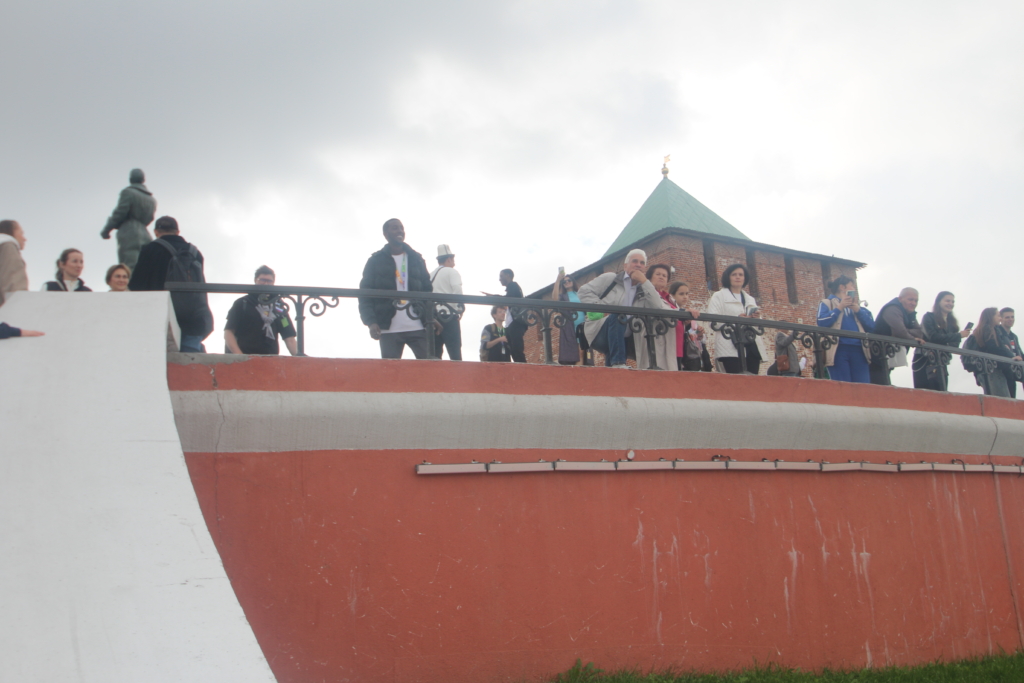
Close to the river is the Novgorod Kremlin, a large, old fort built to protect the city’s first settlers. It was originally made of wood and later rebuilt with stronger materials after a fire. Today, it stands tall as a symbol of history and pride.
Looking back home
Seeing all this made me think about the Volta River. In Ghana, especially between Atimpoku and Sogakope, many hotels and resorts are being built along the Volta’s banks.
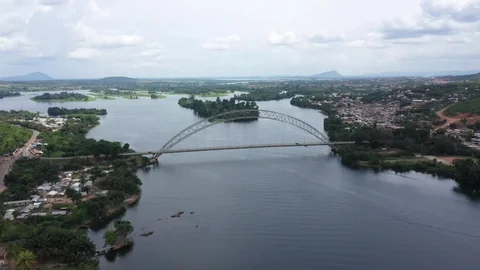
This is similar to what I saw in Russia. But there’s one big difference, water transport.
The Volta River Authority (VRA) runs boats that connect parts of Ghana, but it’s not on a large scale. In Russia, both private companies and the government are involved.
There are boats for passengers and bigger ones for goods. In Ghana, some hotels have boats but use them only for their guests. If more private companies invest in water transport, the Volta could become just as busy as the Volga.
Culture and celebration
Next to the Volga is a large cathedral, the Cathedral of St Alexander Nevskiy. But many couples choose to have their weddings by the river instead of inside the church.
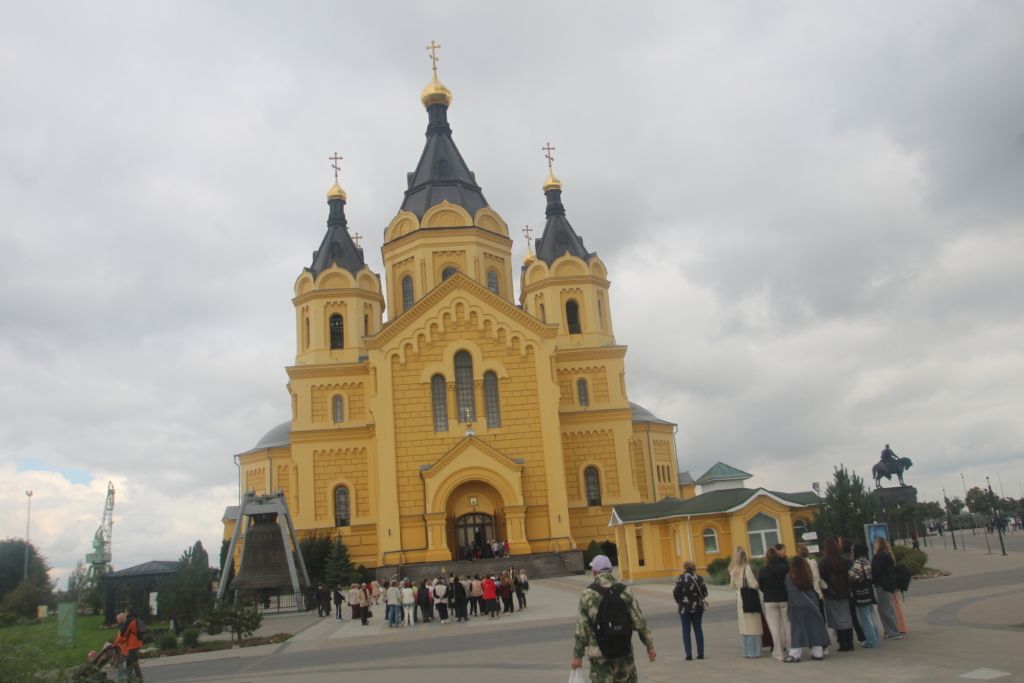
The riverbank provides a beautiful and affordable space for such special events.
We could do the same in Ghana. If we develop nice parks and open spaces along the Volta Lake, people could use them for weddings, events, or simply to relax.
God gave us the Volta through human effort; we should use it wisely and in ways that benefit everyone.
Ghana even has greener areas along the Volta than Russia has along the Volga. However, our infrastructure needs improvement.
In Nizhny Novgorod, the roads leading to the river are smooth, and there’s even a railway connecting important places along the Volga.
In Ghana, the eastern corridor road from Tema to Atimpoku still needs a lot of work. Finishing this road and improving access would make a big difference.
Lessons from the Volga
In Russia, cafés along the Volga sell affordable coffee, so people of all backgrounds can sit by the river, relax and enjoy the view.
In Ghana, locals rarely visit the Volta River for leisure unless it’s a school trip or a special event.
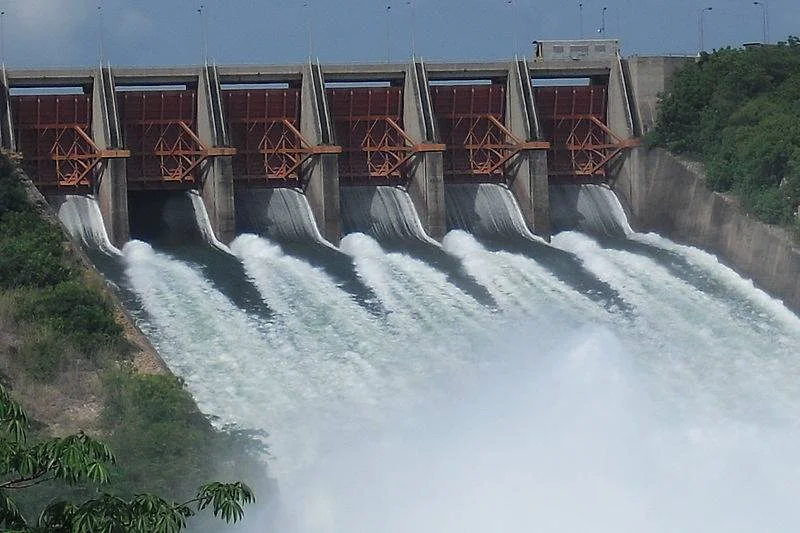
The Volga has the Kremlin; the Volta has the Akosombo Dam. Both are symbols of national pride. But while Russians speak with excitement about the Volga, many Ghanaians don’t show the same connection to the Volta.
My time in Russia taught me that the difference is not in the rivers, but in how people treat them.
The Volga and the Volta are like twin sisters, each with great potential. With the right investment and community interest, our Volta can shine just as brightly.
Latest Stories
-
Young Positivist Writes : My Experience with GCLP
47 minutes -
Strong Day 1 turnout sets tone for Day 2 of Republic Bank-JoyNews Habitat Fair Clinic
1 hour -
Ghana Army warns new soldiers against social media misuse, uniform abuse
1 hour -
AMA calls for science-led action to tackle environmental health risks in Accra
2 hours -
NPP Canada Organizer BigMo urges Diaspora to support Kodua Frimpong
3 hours -
He entered at eight. He is now 16: Ghana’s children growing up in prayer camps
6 hours -
‘Development must not always begin from Accra’ — Anwelle Foundation launched in Jirapa
6 hours -
PKO trio eye victories at Odwira Festival
8 hours -
346 Ghana Navy recruits pass out after 26 weeks of intensive training
8 hours -
Newsfile to discuss EOCO-MP arrest, drug trafficking, speech arrests and $235m water debt
9 hours -
JoyNews gets results as listeners raise GH¢40,000 to help 17-year-old student with cerebral palsy attend SHS
9 hours -
Vice President calls for stronger local pharmaceutical production to reduce medicine imports
9 hours -
The brewing tension at KNUST; Beware the Ides of October….
10 hours -
Health Ministry moves to integrate traditional medicine into mainstream healthcare
10 hours -
550 pupils in Kintampo South get educational lifeline as ‘Seeds of Hope’ reaches farming communities
11 hours