

Audio By Carbonatix
The President of Imperial College London, Prof. Hugh Brady, has called for deeper global collaboration in science, technology and innovation, stressing that the future of research depends on convergence science, international partnerships and stronger links with Africa’s growing innovation ecosystem.
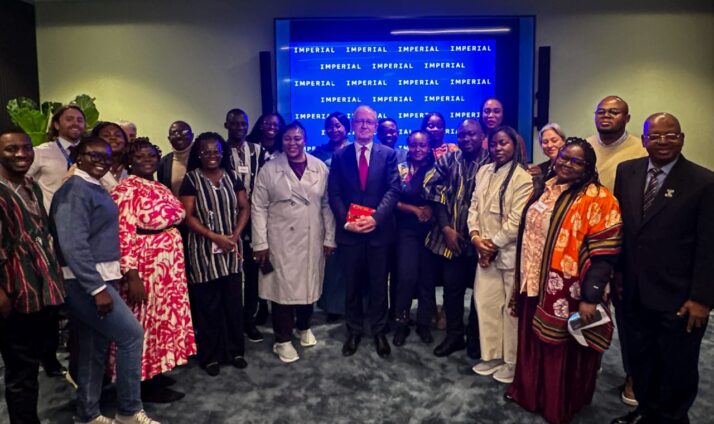
Speaking during an interaction with selected journalists from Ghana and Nigeria under a Science, Technology and Innovation (STI) Journalism Training Programme, Prof. Brady shared insights from his academic journey across leading institutions, including University College Dublin, Harvard Medical School and the University of Bristol, as well as his clinical training in Toronto.
He explained that his career in academic medicine was inspired by early exposure to clinical research integration during a 1981 student elective at Harvard, where he observed how scientific discoveries were rapidly translated from laboratories into clinical practice.
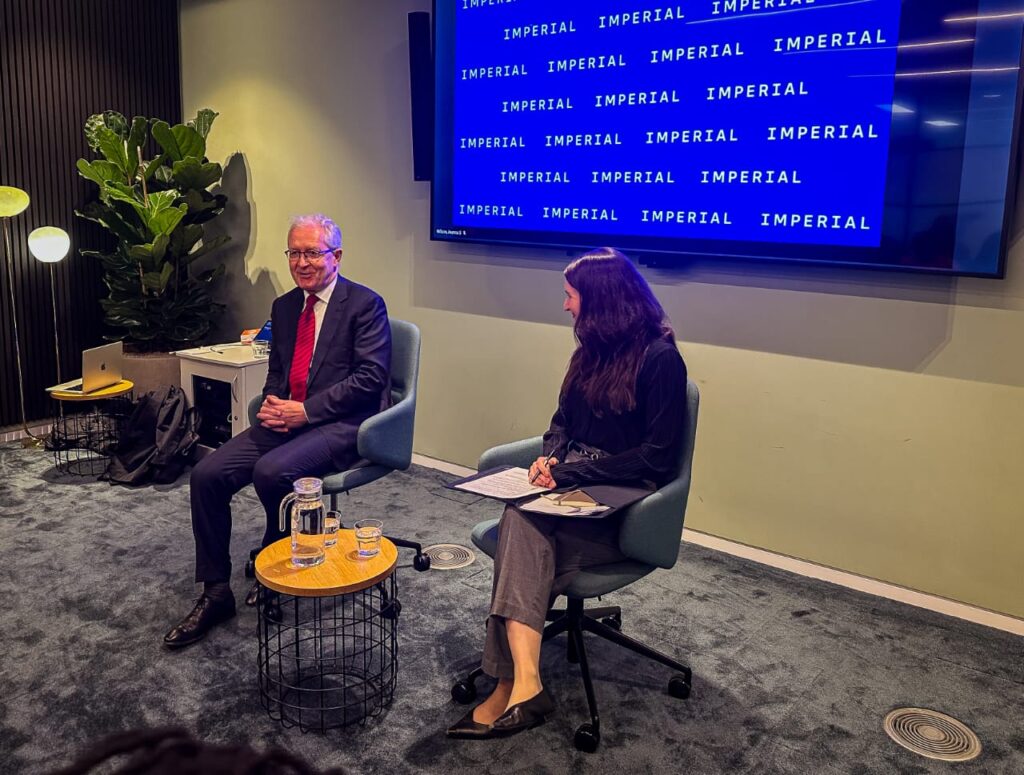
Prof. Brady noted that this “bench-to-bedside” model of innovation has shaped his leadership philosophy, which is now strongly embedded at Imperial College London.
He emphasised that Imperial’s identity is rooted in STEMB—science, technology, engineering, mathematics and business—arguing that this focus distinguishes the university from traditional comprehensive institutions.
“Imperial was founded to be useful,” he said, noting that the institution’s 1907 mission has evolved from serving industry to addressing global challenges such as climate change, health systems strengthening, energy transition and security.
He further highlighted Imperial’s strategic focus on “convergence science”, where multiple disciplines work together at scale to solve complex global problems that cannot be addressed in isolation.
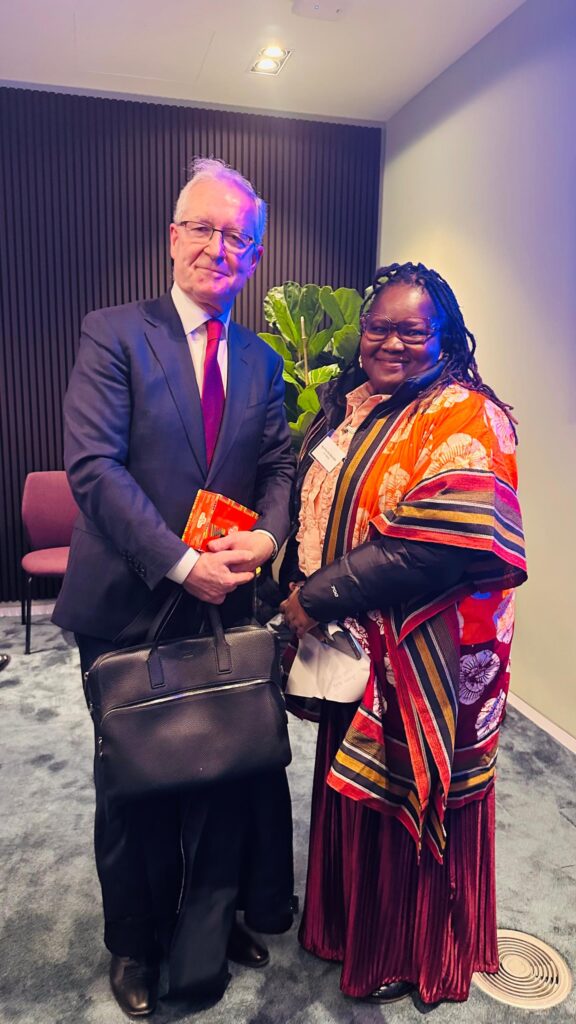
Prof. Brady also underscored the importance of internationalisation, revealing that Imperial’s global hubs—including Accra, Singapore and San Francisco—are designed to strengthen two-way innovation flows between regions.
According to him, the West Africa hub has become particularly impactful, fostering collaboration in digital health, smart cities, enterprise education and research commercialisation.
He added that students from both Imperial and West Africa are increasingly thinking globally, with a strong entrepreneurial drive and a shared focus on translating research into economic impact.
Latest Stories
-
Samson Lardy Anyenini questions willingness of Attorneys-General to prosecute political colleagues
2 minutes -
It is only fair the OSP is heard in Supreme Court case – Bobby Banson
7 minutes -
Asiedu Nketia resumes Ashanti tour, second leg kicks off on Sunday
16 minutes -
NLA denies salary cut claims, threatens legal action over reports
20 minutes -
BoG Governor honoured for stabilising cedi, improve inflation
22 minutes -
Trade Minister applauds GUTA as a pillar of economic growth; Prez Mahama honoured
1 hour -
President’s brother’s takeover of Damang Mines is ‘untidy’ – Alhassan Tampuli
1 hour -
It’s not true that gov’t decided not to renew the lease for Gold Fields – Bobby Banson
2 hours -
Ghana to boost tomato production with 60-hectare irrigated farms and processing initiatives
2 hours -
E&P’s takeover process of Damang Mines was very clean – Inusah Fuseini
2 hours -
Damang takeover: There is not going to be any job loss; it is a lease change – Bobby Banson
2 hours -
Gold Fields didn’t stop mining at Damang mines; such claims are untrue – Bobby Banson
2 hours -
Engineers and Planners currently operate only in Ghana – Bright Simons
3 hours -
Lands Minister has no legal basis to restrict lease to Ghanaian firms – Bright Simons
3 hours -
Gov’t’s refusal to renew Gold Fields’ lease was simply untenable – Bright Simons
3 hours