

Audio By Carbonatix
The future of the National Cathedral project remains uncertain although the government has spent over GHC 339 million on the project, which is still at its foundation level.
There are also allegations of embezzlement or misuse of funds by some persons close to the project.
Before the construction began, President Nana Akufo-Addo stated that he would lobby the private sector for funding to build the Cathedral, but it later emerged that the president was using some state funds for the construction.
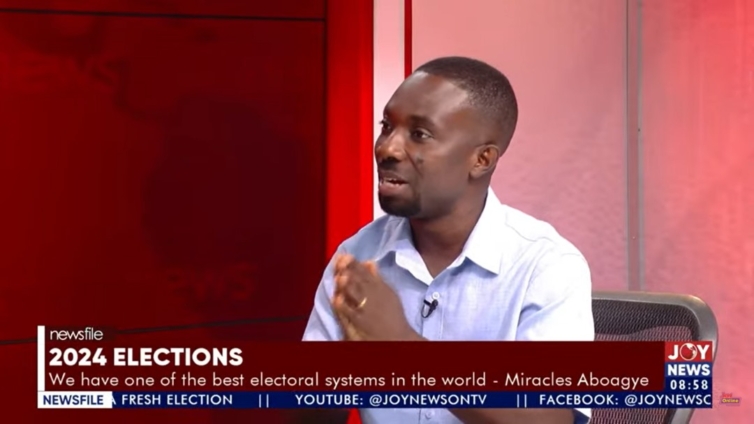
Speaking to Joy News' Samson Lardy on Newsfile on Saturday, December 14, the spokesperson for Vice President Dr Mahamudu Bawumia’s campaign, Dennis Miracles Aboagye, attributed the failure and the issues surrounding the project to poor communication from the government.
According to Mr Aboagye, things might not have gone wrong if the government had been transparent from the start about using state funds for the project.
“Communication around such things is very important. I’m sure that what the government, or the Finance Minister who I heard repeatedly promoting this project, should have communicated from the beginning is that, even though funds will be raised from private individuals and corporate organizations, we need to start. We need to demolish and prepare the site, and for that reason, the government will provide some seed money. But that is not going to be the funding to actually execute the project. If we had communicated this properly, we wouldn’t be where we are now,” he explained.
He added, “I don’t think the communication was handled correctly, and when that happens, you allow your detractors to take advantage and lead the conversation.”
The building of the Cathedral was in fulfilment of a supposed promise President Akufo-Addo claimed to have made to God before winning the 2016 elections.
In 2019, the Finance Minister, Ken Ofori-Atta, stated that the construction of the National Cathedral was estimated to cost over $100 million.
Amid the controversies surrounding the development, the Commission on Human Rights and Administrative Justice (CHRAJ), after investigating the case, recommended that the Auditor General conduct a forensic audit of the project to determine what went wrong and possibly prosecute those found to have committed any wrongdoing.
Latest Stories
-
NDC threatens sanctions over oversized campaign posters, gives aspirants 5 days to comply
39 minutes -
Star Oil paid GH¢2.7bn in taxes, levies in nine months of 2026
53 minutes -
Samson’s Take: The rule of law is cheaper before the bulldozer
55 minutes -
GRA blames system failure for delay in issuing receipt over passenger’s customs duty
1 hour -
Livestream: Newsfile discusses World Cup visa scandal, beach demolitions, education strikes, BRICS bid
1 hour -
NC-PTAs welcomes end of teachers’ strike, urges parents to prepare children for Monday
1 hour -
Government procures over 2,000 transformers as Ghana’s electricity access hits 89.13% – Energy Minister
2 hours -
UTAG-UG threatens strike on October 19 over unpaid allowance
2 hours -
Let The Constitution direct Chieftaincy to deliver “All Development Is Local”
3 hours -
John Jinapor outlines renewable energy, nuclear power priorities for 2027
4 hours -
Ghana explores centre of excellence for hearing, communication and cochlear implant care
5 hours -
Schizophrenia-related disorders lead mental health cases recorded in Ghana
5 hours -
Dutch authorities enlist Ghana in hunt for fugitive drug lord Bolle Jos
5 hours -
Ghana housing finance conference adopts communiqué to improve affordable housing access
10 hours -
Special Initiatives Minister urges Wa Technical Institute to enrol more girls as EU-backed solar training lab opens
10 hours