

Audio By Carbonatix
The National Development Planning Commission (NDPC), in collaboration with UNICEF, has held a validation meeting on the draft Results Framework for the Resetting Ghana Agenda: Creating Jobs, Ensuring Accountability and Promoting Shared Prosperity Policy Framework (2026–2029) to strengthen the monitoring and evaluation of the country's development agenda.
The meeting brought together representatives from Ministries, Departments and Agencies (MDAs), development partners, academia and planning professionals to review and validate the indicators, baselines and targets that will be used to assess Ghana's development performance over the next four years.
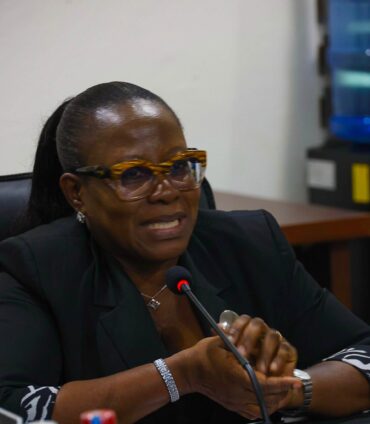
Speaking at the opening of the meeting, Director-General of the NDPC, Dr Audrey Smock Amoah, said the validation exercise was a critical step in ensuring that the policy framework is supported by a robust mechanism for measuring progress.
She explained that participants had been invited because of their institutions' roles in implementing and monitoring the framework and would help validate the indicators and targets that Metropolitan, Municipal and District Assemblies (MMDAs) will use to report on national development outcomes.
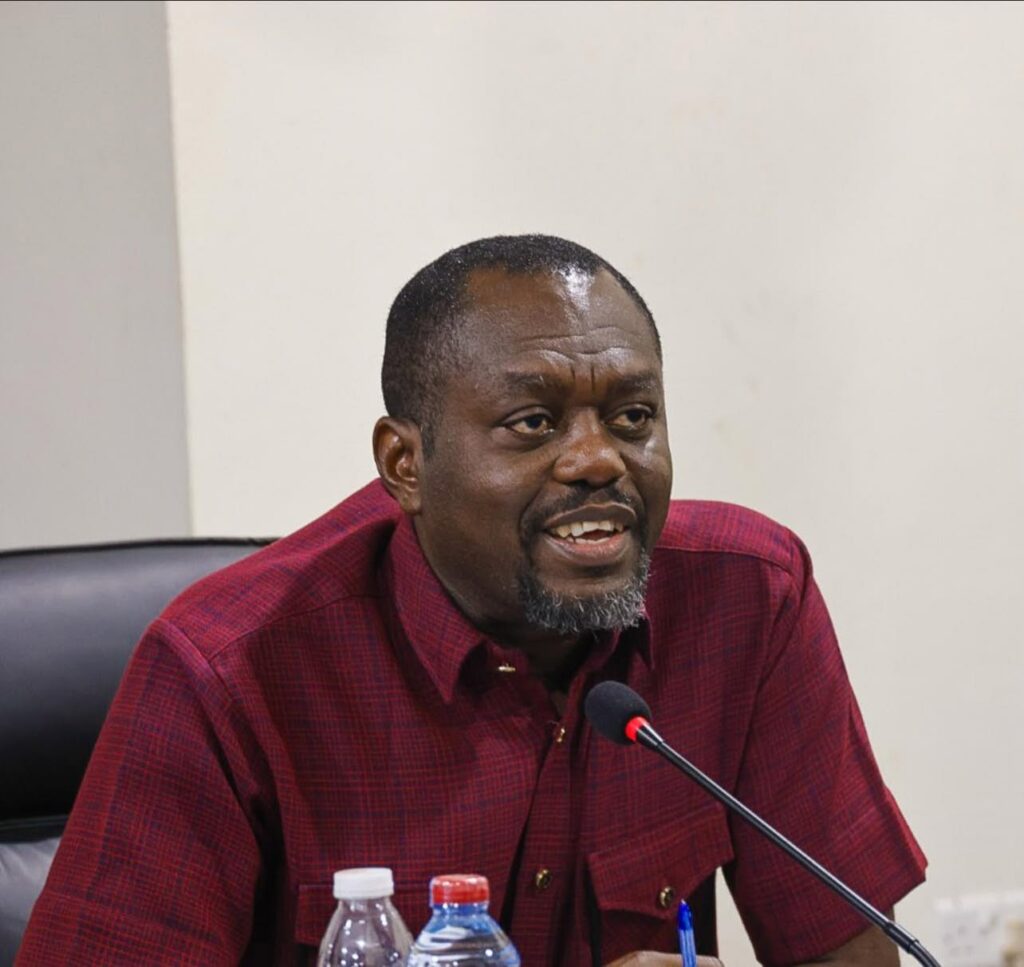
The Director of Monitoring and Evaluation at the NDPC, Bright Atiase, described the results framework as "a roadmap and a scorecard" for assessing the implementation of development policies, programmes and projects.
He said the Commission is shifting its focus from input and output indicators to outcome and impact indicators, while urging institutions to adopt realistic targets supported by credible data. "Let's set our targets as close to realistic figures as possible," he said.
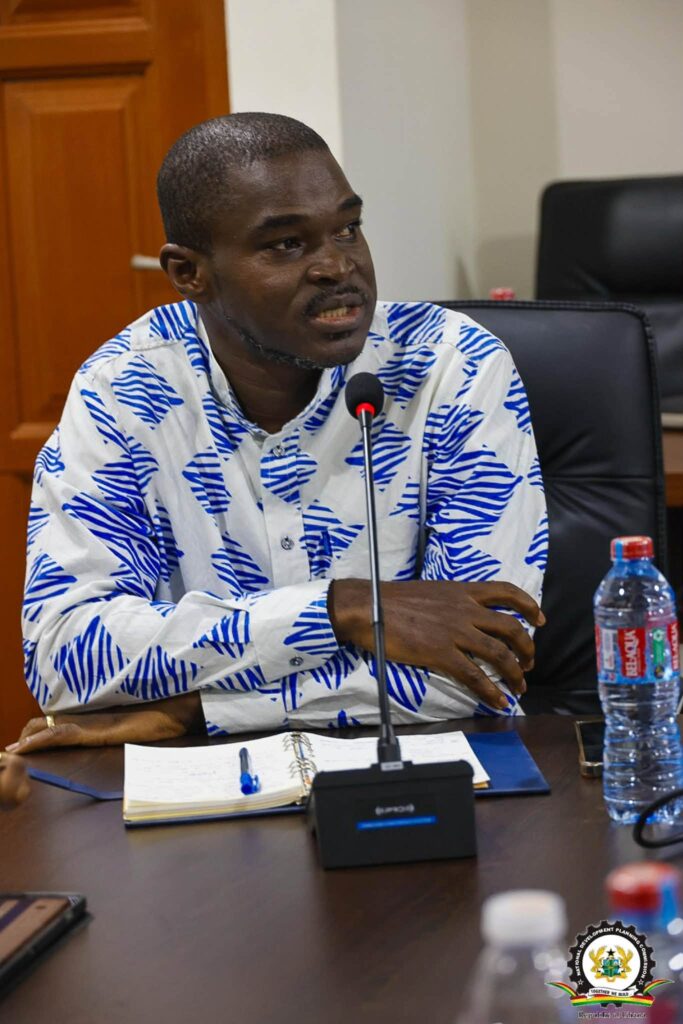
Also addressing the meeting, UNICEF's Dr Felix Addo-Yobo underscored the importance of using reliable, timely and disaggregated data to inform development planning.
He cautioned that relying solely on national averages could mask significant disparities within communities, warning that inadequate data could result in vulnerable populations being excluded from development interventions.
Latest Stories
-
Ray Michael Djan Jr puts Ghanaian creativity on global stage with Chelsea anthem
6 minutes -
Matilda Dibloni Kokar elected USAG president after two-year dormancy
9 minutes -
NPP delegates wanted youthful energy with Kojo Bamba’s election – Political scientist
12 minutes -
Zenith Bank supports Childhood Cancer Unit at Greater Accra Regional Hospital
12 minutes -
KMA empowers 64 persons with disabilities; Mayor unveils plan for sustainable skills centre
14 minutes -
DJs Union urges musicians to prioritise respect, communication amid industry tensions
22 minutes -
“Ghanaian DJs deserve their flowers” – Lasmid
22 minutes -
Zenith Bank supports childhood cancer unit at Greater Accra Regional Hospital
24 minutes -
‘Who’s in charge doesn’t really matter; we’re all servants’ – John Boadu on leader of NPP
27 minutes -
Christa Pike’s prognosis still unclear after failed execution, lawyer says
43 minutes -
SLTF to advance fees for first-year students facing admission payment deadlines
46 minutes -
Ghana Institute of Architects calls for action to make adequate housing a human right
46 minutes -
BoG, Police arrest seven over alleged misuse of Ghana Cedi as bouquets
46 minutes -
NCPTAs appeal to striking teachers to return to classroom
47 minutes -
Government plans engineered landfills and waste transfer stations nationwide – Ayariga
49 minutes