

Audio By Carbonatix
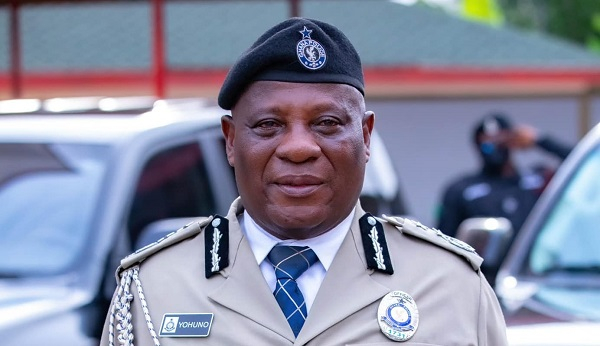
The Inspector General of Police (IGP), COP Christian Tetteh Yohuno, has lifted the communication embargo previously imposed on police spokespersons, urging a renewed and proactive engagement with the media.
Speaking at a workshop for the Ghana Police Service's public relations officers (PROs), IGP Yohuno stressed the critical role of effective communication in fostering public trust and enhancing crime-fighting efforts.
According to him, no society can effectively combat crime without the trust and collaboration of its people, adding that “This is why effective policing is a partnership—one that requires officers to work closely with the communities they serve to foster a safer and crime-free environment.”
The IGP highlighted the evolving demands of society and the media, underscoring the importance of professional and strategic communication in maintaining police legitimacy and public confidence.
He explained “In times when the public demands greater involvement and accountability in our service delivery, a well-tested approach ensures police legitimacy and boosts public confidence. This is where your significant role as public affairs officers in fostering positive interactions with the public becomes essential and directly impacts police effectiveness.”
"It is on this premise that the current police administration, under my leadership, will reactivate and invite all Regional Police Public affairs offices to re-interact and meet the evolving demands of our society and media partners," he added.
He further noted the crucial role of the media in shaping public perceptions of law enforcement and influencing crime-fighting efforts.
“Over the years, the media has been a key stakeholder in crime-fighting efforts and has influenced public perceptions of our work in numerous ways. Therefore, it is imperative that our engagement with the media be intentional, professional, and instructive,” he said.
The immediate past IGP George Akuffo Dampare changed the way the police communicated with the media since he took office in 2021.
He used a centralised approach to information flow where no officer at the regional or district level could speak to issues with the media. Even at the national headquarters, information flow was extremely difficult as the Public Affairs unit was largely limited to releasing press statements on the social media accounts of the Police Service with little or no interviews or press briefings.
Although the media and other stakeholders complained about it and requested a shift to the existing communication channels, the former IGP was adamant.
Read Also: GJA demands reversal of police’s ‘media blackout’
Latest Stories
-
Be careful with cross-border lending, foreign currency exposures – BoG to financial institutions
25 minutes -
GPL 2026/27: Medeama go three clear as Hearts of Oak recover and Bechem stage stunning comeback
34 minutes -
Ntiamoah Foundation launches “BEYOND 20” anniversary campaign
54 minutes -
Credit Risk Management Directive: BoG to begin implementation for banks, others from July 1, 2027
1 hour -
Ghana Brands Awards 2026: Leading brands, business trailblazers to shine on November 20
1 hour -
T-bills auction: Demand improves as government exceeds target by about 76%; interest rates soften
2 hours -
Ziope undertakes initiative to build a technologically inclined community, commissions self-help ICT lab
2 hours -
ECG announces power outage in parts of Tema, Central Region due to network fault, maintenance
2 hours -
When the Gospel Becomes a Weapon: The church, blackmail and the abuse of faith
3 hours -
JoyNews’ Jacqueline Ansomah Yeboah selected for UK Media Excellence for Emerging Technologies Fellowship
3 hours -
Mental Health Alliance urges government to operationalise Mental Health Fund
3 hours -
Ghana–Holy See agreement heads to Parliament after Cabinet approval
3 hours -
Luv FM Corporate Games 2026: Kumasi Central Prisons, Amanfiman Bank win big amid fun
4 hours -
WAFU B U17: Ghana top Group A after win over Togo
4 hours -
Ho Central Mosque reopens amid unresolved leadership dispute that led to closure
5 hours