


Audio By Carbonatix
Residents along the Western Region coast might not have any scientific proof or evidence to back their claims, but they believe that these weeds on the seashores along the coast can be linked to the oil industry.
According to them, since Ghana discovered oil in commercial quantities some 14 years ago, the emergence of these weeds is becoming an annual ritual that they need to battle with.
However, no thorough investigations have been undertaken to either confirm or deny their assertions with their perennial ordeal.
"When I was young, say at the age of 10 upwards, we were not seeing this at the beach, but when the oil companies started their activities somewhere around 2010 that was when we started seeing such weeds at the coast" assembly member for Princess town Joseph Bordoh told JoyNews.
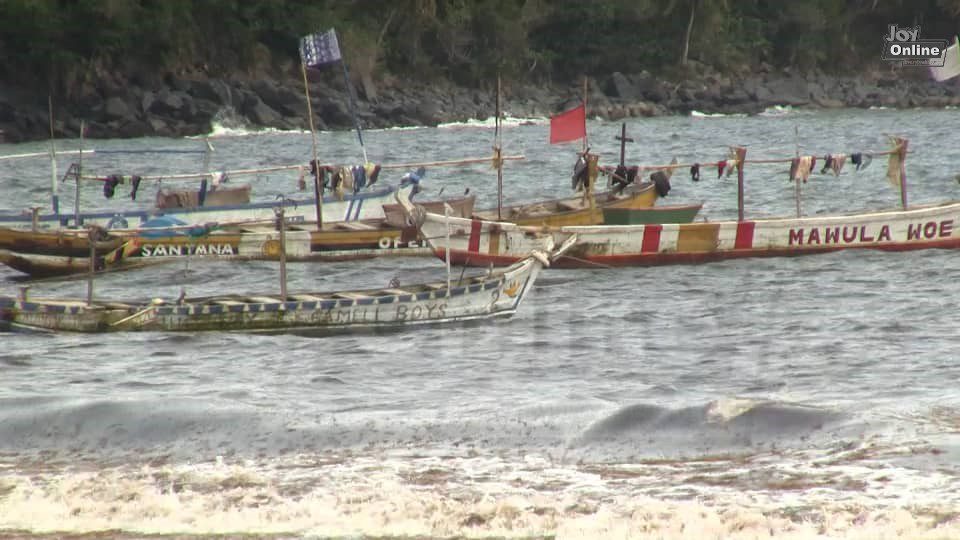
From Cape Three Point to Essiama, Princess Town to Aketakyi, Akwadi to Miami, amongst other communities along the coast of the Western Region, the brown seaweed has invaded the coastline basin.
The communities along the coast would usually experience a few small mats of sargassum washing ashore in a given year, but this year, the seaweed began arriving in unexpectedly large waves, Mr Bordoh told Joy News.
He explained some communities over the years have set up nets to block the incoming algae or hired people to clear affected beaches with rakes and backhoes, but this year, they have given up on all attempts to get rid of of of the weed proved futile.
“This one is beyond communal labour; we can't get the communities to get this out of the beaches”.
“We are in a dilemma; we don't know what to do; we are pleading that the government should come to our aid so that we evacuate this one from our beaches because tourism is being affected," he added.
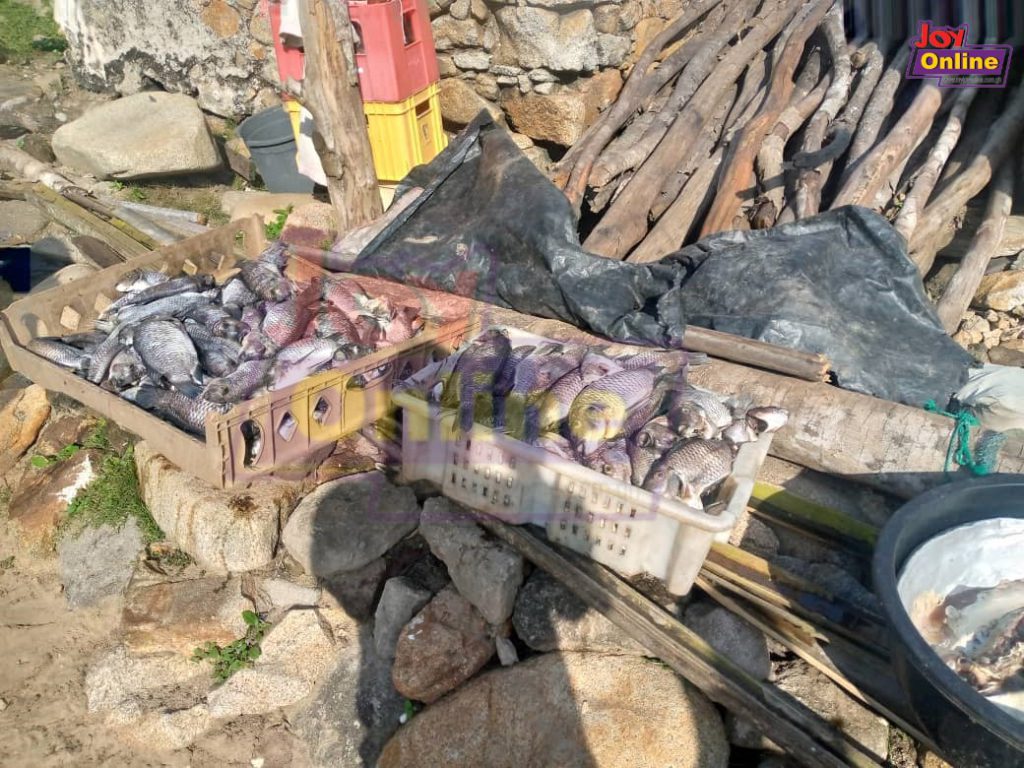
Mr Bordoh lamented the seaweed is taking parts of the communities, and the impacts on livelihood are worsening by the day.
“It`s very itchy; when you take a bath in the sea, you will see that your skin will be itching you; before this, they were having some Cath from the sea, but now their livelihood has been affected all those on the fishing chain”.
Vast floating mats have washed up and buried the beaches. The piles of seaweed grew more than four feet high in Aketakyi, Essiama, and Akwadi, forcing some people to abandon their homes.
Once you arrive at any of these communities as a visitor, you are greeted with the decomposing stench of seaweed, dead fishes, which will cause you to throw up.
Fishing, the main occupation of the residents along the coast, is being seriously affected by the seaweed on the beach and floating seaweed.
According to the residents, the seaweed, which is suspected of having come from the oil companies operating in the sea, is creating problems for fishers and has affected their livelihood over the past three weeks this year.
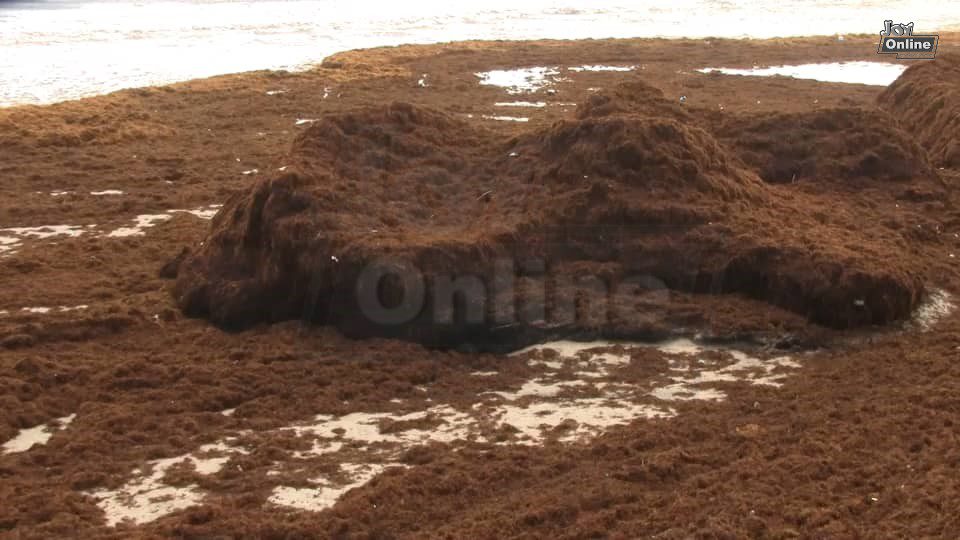
The Fishermen say the floating seaweed gets entangled in their nets and causes it to roll up any time they try going to the high seas.
“This weed is not helping us at all; you can't even pass through it with an outboard motor, we can't let our nets out when we see fish because you throw your net, and it's all about the weed.”
“We are starving, no money and no food, yes we see it every year, but this year it's overwhelming” Amadu, a fisherman at Akatekyi, pours out his frustration.
Fisherman Isaac Egan, who owns a canoe, had just returned from the high sea looking very disappointed; he said that despite the problems with the seaweed, he decided to try his luck on the high seas to get fish so that he can get an income.
However, the determined fisherman and his crew returned to the shore with neither their canoe nor fishing nets.
In a feeble attempt, he points at his canoe “look there, that`s my canoe, I have been here for 35 years, and I didn't see this till the oil companies started working; my capital is gone”.
From the foul odour caused by toxic gases emanating from rotting seaweeds, the impact on tourism, fisheries, several shoreline activities, and biodiversity has been widely felt in all the communities along the coast.
The fishermen are calling on the Fisheries and Aquaculture ministry, government and the Environmental Protection Agency to investigate the problem and give them some relief as they claim the oil companies have denied their activities are contributing to the annual invading of the beaches the seaweeds.
Latest Stories
-
Gold slips before US payrolls data, set for second weekly loss
49 minutes -
New Mexico wants Meta to pay up to $40 billion in penalties after data privacy trial
58 minutes -
Oil rises slightly as market weighs mixed supply signals
1 hour -
Jordan ‘Last Dance’ jersey sells for £9m
1 hour -
Nigeria charges man with running fictitious government agency
1 hour -
COMAC renews call for full deregulation of fuel prices
2 hours -
Putin warns West that Russia is ready to use every weapon to protect Kaliningrad
2 hours -
Fuel sector overcrowded as 245 OMCs compete for market share – COMAC CEO
4 hours -
Mobile Money Fintech LTD, UMB train hairdressers and beauticians
4 hours -
COMAC boss blasts gov’t interference in fuel pricing, demands full deregulation
4 hours -
OpenAI fires workers for mishandling ‘sensitive information’
4 hours -
What’s gone wrong at Nike? How the world’s sportswear giant lost its mojo
4 hours -
Carney pitches oil pipeline as a response to US-Canada trade war
5 hours -
Badenoch welcomes expanded grooming gangs inquiry
5 hours -
GACL MD sues Samuel Buabeng over alleged Facebook defamation
5 hours