

Audio By Carbonatix
UK-based laboratory Mologic is working with scientists in Senegal to make a diagnostic test for coronavirus that can produce test results within 10 minutes, the company said.
The handheld device is the first diagnostic kit developed in the UK to be jointly-manufactured in Africa, according to Mologic in a statement announcing the UK-funded initiative.
The laboratory said it was working with the Pasteur Institute in Dakar and five other international research organizations to authenticate the test kits that will be produced by DiaTropix, a manufacturing facility also in the West African nation.
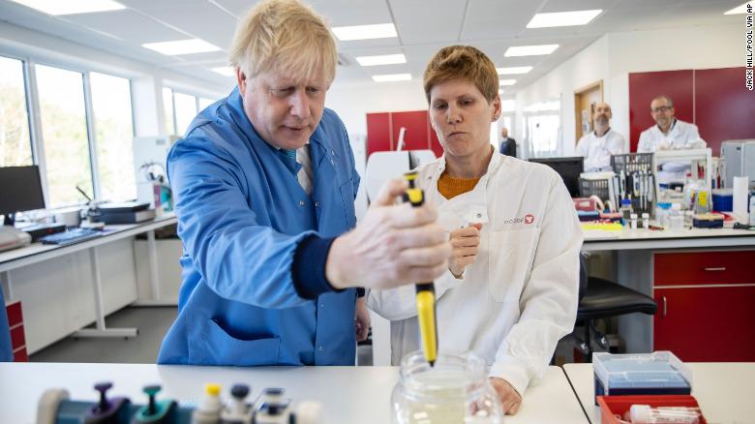
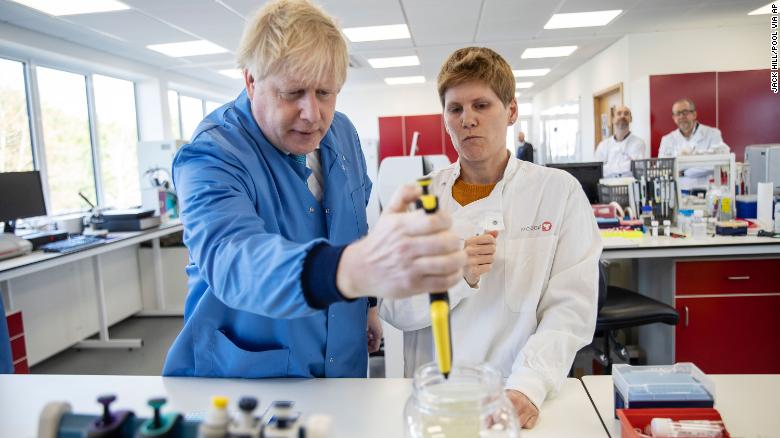
British Prime Minister Boris Johnson visited the lab last week and announced a £46 million fund (approximately $58 million US dolllars) for British experts to find vaccines and develop test kits to fight the coronavirus pandemic and prevent future outbreaks of the virus.
Mologic said it received a £1 million (about $1.3 million USD) from the fund to make a rapid test kit that works without electricity and does not need a laboratory analysis to give results for coronavirus, paving the way for health workers to detect cases and place people under quarantine quickly.
Mologic Medical Director Joe Fitchett said diagnostic tools that can be used at home and in low resource areas need to be deployed to bring the current outbreak to an end.
"Rapid detection of the virus is important to stop its spread -- we are pleased that the UK government has acknowledged this, supporting Mologic and the work of our partners to prevent further outbreaks internationally," said Fitchett in the statement.
Results from samples being tested for the novel coronavirus can be ready within a day in areas with laboratories that have the capacity to do it.
The UK government in a separate statement announcing the fund, said a rapid test would be beneficial in low-income countries where accurate testing for coronavirus posed a challenge.
The statement added that many people in these countries were left unchecked, a situation it said could increase the local and international spread of the virus.
"Rapid testing is going to be key to managing this outbreak, but ultimately vaccines are going to provide the long-term protection we need," said Patrick Vallance, the UK Government chief scientific officer.
Latest Stories
-
You need to fake it sometimes to make it fun – Stephanie Benson tells partners
12 minutes -
Mahama Cares says political affiliation will not determine access to medical support
14 minutes -
Government inherited GH¢111bn debt burden but continues infrastructure projects – Lands Minister
20 minutes -
Mallam Atta traders urge government to speed up 24-hour market redevelopment
29 minutes -
Catholic Church has a duty to speak on issues affecting human dignity – Bishop Gyamfi
39 minutes -
KATH sickle cell, blood bank project stalled over $1.6m legal dispute – CEO
53 minutes -
Restricting preaching in moving vehicles is an attempt to gag the church – Rev. Kwadwo Bempah
57 minutes -
Central Charismatic Baptist Church marks 30 years, urges review of law restricting preaching on buses
58 minutes -
Mafi Kope residents appeal for urgent medical intervention over illnesses affecting children, adults
1 hour -
ECG to limit planned power outages in Ashanti to two days a week
1 hour -
NYA CEO, management doing ‘yeoman’s job’with meagre budget — Parliament’s Youth Committee Chairman
1 hour -
Mahama commends Trade Minister for championing Ghana’s industrial growth
1 hour -
Public cautioned against transactions over Borteyman land as Supreme Court rules in favour of Sino Africa
1 hour -
Ghana Air Force mourns with Nigeria over 25 citizens killed aircraft accident
1 hour -
Minority demands permanent scrapping of GSA’s $300 PVoC charge on imported vehicles
1 hour