

Audio By Carbonatix
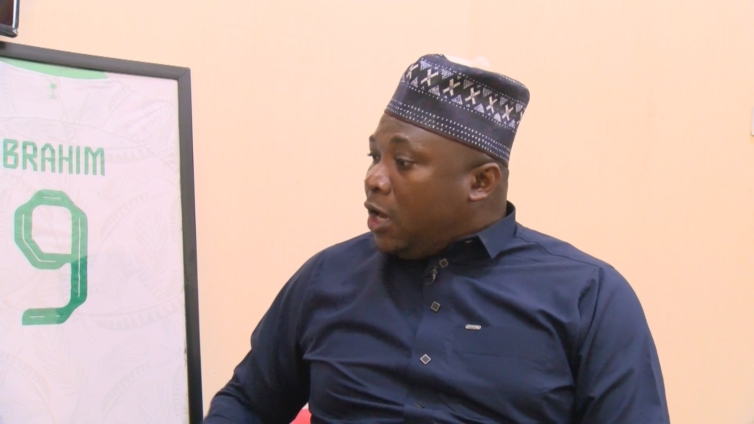
A former Communications Director of the Ghana Football Association (GFA), Ibrahim Sannie Daara, has issued a warning to the government, urging immediate support for Ghanaian football clubs to prevent the collapse of the domestic leagues in the country.
Speaking on 'Prime Take' with Muftawu Nabila Abdulai, Sannie emphasised the critical role of government intervention in sustaining the sport at the national level.

“When a footballer sees that there's no life beyond the football he's playing after 35 years, they don't earn so much. Most of the teams, all the teams in Ghana today, are owned by individuals,” he noted.
"It is individuals who are funding and paying for the kids of people, or Ghanaian youth, to become who they are.
"The state must support them. It must not be a one-man effort," he admonished.
Hitherto, Ghanaian footballers and other athletes were employed by state companies.
The former BBC broadcaster reminisced about a time when the state played a pivotal role in supporting athletes.
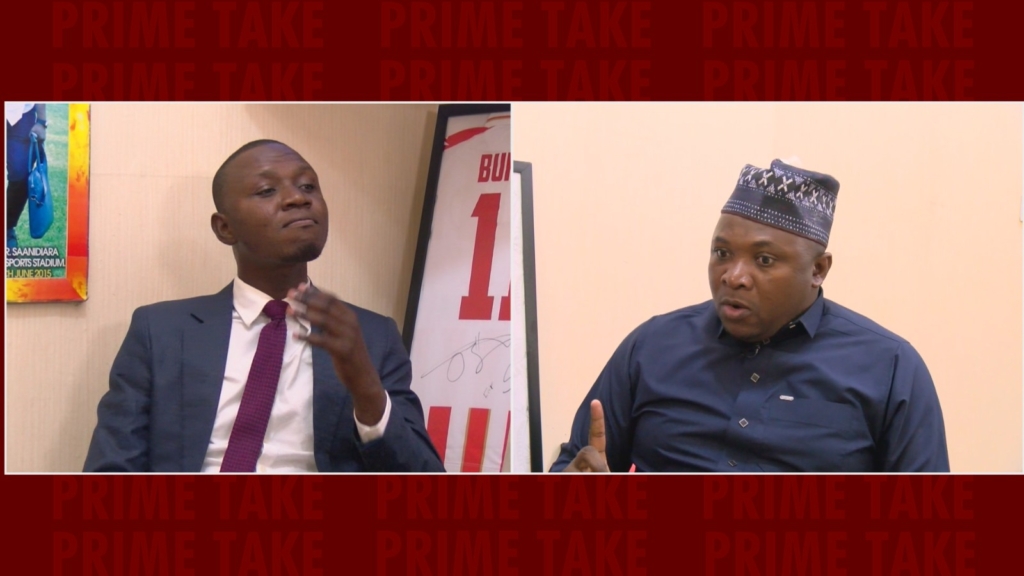
"In the past, when someone was playing in the domestic league, he was employed by the police or the army," he recalled.
“Ali Jarrah, for instance, was employed by the Fire Service. So was Sam Johnson. And a lot of them were employed by the Bank of Ghana.
"All of these state agencies had some way, somehow, something to do with sports recruitment when they recruited every year."
He argued that the return of such initiatives would provide players with financial security and career longevity.
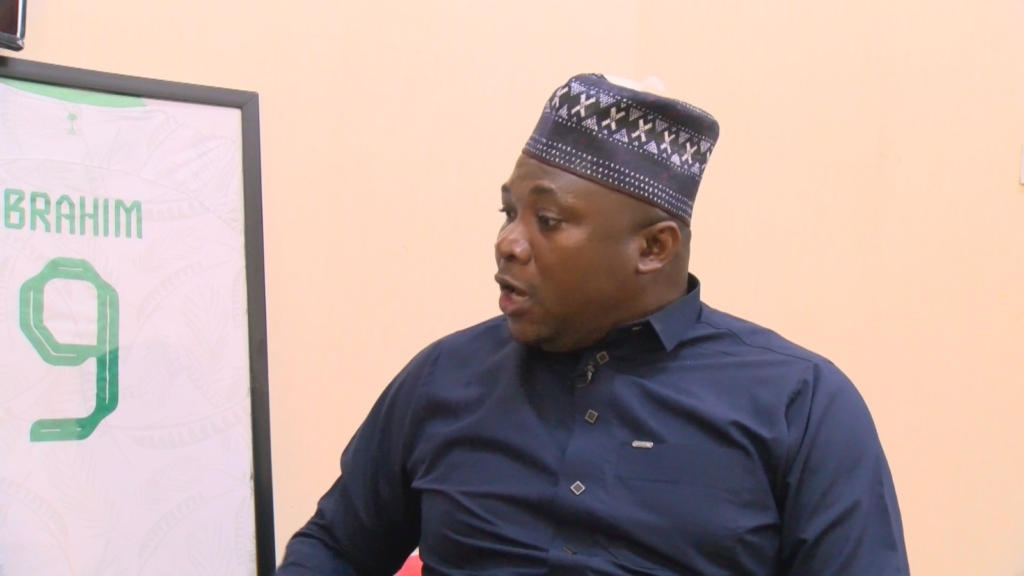
“These are some of the things that we must go back to. Otherwise, we have no fighting choice. They have to because they are state institutions,” he urged.
Sannie also proposed that the government not only change its strategy but also develop a comprehensive plan to integrate sportspeople into state institutions.
“They recruit sportspeople. Part of the sportspeople must be footballers, athletes, or boxers, so that the player knows that, one, they'll get a salary from, say, if they're playing and working with the police, they'll get their salary from the police.
"They'll get a salary added on to, maybe, from Hearts or Kotoko. Then, finally, when they retire from football, they'll also have a full-time job to fall back on and a pension," he explained.
By ensuring that players receive dual incomes—one from their football clubs and another from state employment—along with future job security and pensions, Sannie Daara believes that the domestic leagues can be revitalised.
He warned, however, that failure to act would spell the demise of local football.
“Otherwise, our domestic leagues will die, and it will be on their heads,” he concluded.
In this interview, which will air on JoyNews on Friday at 7:30 am, Saturday at 7:30 pm, and Sunday at 11 am, he talks about early life, family, professional life, exiting the FA, and working at CAF.
Latest Stories
-
Ghana’s Ambassador to China, Kojo Bonsu, presents credentials to Nepalese President
10 minutes -
Fairtrade Africa’s Cocoa Hubs Project strengthens rural service centres in cocoa-growing communities
15 minutes -
SEC cautions investors against fraudulent investment schemes
17 minutes -
Land Ministry urges rCOMSDEP operators to reserve earnings for land reclamation
20 minutes -
Commercial drivers give authorities one week to clear traders from lorry terminals, bus stops
25 minutes -
Nana B denies claims that Kojo Bamba was his driver and bodyguard
52 minutes -
Engage Now Africa to construct a 10-unit classroom block for struggling Navrongo Vocational Training Centre
59 minutes -
One digital financial breach could expose linked accounts to fraud – Financial Crimes Manager
1 hour -
Ghana Russia Centre signs ICT cooperation agreement with Moscow University
1 hour -
The powerhouses of the village: Honouring Ghana’s rural women on International Rural Women’s Day
1 hour -
Vincent Assafuah petitions CHRAJ to investigate alleged irregularities in 2026 World Cup visa arrangements
1 hour -
12-year-old boy found dead in muddy pit at Opeikuma
1 hour -
GHS begins Yellow Fever vaccination campaign in three Upper West districts
1 hour -
Organised Labour pushes for higher 2027 base pay despite slowing inflation
1 hour -
Parliament’s Human Rights Committee demands swift justice in Obuasi SHTS sexual abuse case
1 hour