

Audio By Carbonatix
On a freezing Christmas Eve, as the prairie wind howled across the Canada–U.S. border, two young Ghanaians stepped into the darkness wearing hope instead of winter gear. With every step through the snow, their bodies weakened, but their desperation to live grew stronger. By dawn, survival would cost them their fingers, but not their faith in dignity, freedom, and a second chance.
Nobody can stop determined and energetic Ghanaian youth from seeking greener pastures abroad, especially at a time when many feel trapped by unemployment, rising costs of living, and limited opportunities back home. But beyond the dream of a better life lies a harsh, often untold reality, one marked by fear, suffering, and near-death experiences for those who cross borders illegally.
A few years ago, Mohammed Seidu and his close friend Razak Iyal embarked on what would later be described as a “deadly foot-slog.” On Christmas Eve 2016, the two Ghanaian refugees left Grand Forks, Minnesota, and walked into a snow squall toward Canada. They were underdressed, unprepared, and unaware of how brutal the Canadian winter could be. What they did know was that turning back felt more dangerous than moving forward.
Their journey did not begin in North America. It began in Ghana, where Mohammed, once a promising footballer, allegedly faced persecution linked to his sexual identity. Fear pushed him to flee, not ambition alone. With Razak Iyal, he travelled an almost unimaginable route, from Ghana to Brazil, then through Panama, Costa Rica, Nicaragua, Honduras, Guatemala, and Mexico. Along the way, they were robbed, threatened, starved, dehydrated, and silenced by language barriers. Survival became their daily occupation.
When they reached the United States, the hardship did not end. They were detained and heavily fined. Mohammed Seidu later made his way to Ohio, where his brother lived, and even earned a trial with the Columbus Crew, a professional soccer team. But his dream collapsed once again. As a Muslim man of colour, Mohammed Seidu felt unsafe in an America gripped by aggressive immigration enforcement under President Donald Trump’s first administration. Deportation loomed constantly.
Canada, to him, represented safety, human rights, freedom, and dignity. But hope alone could not protect him from the cold.
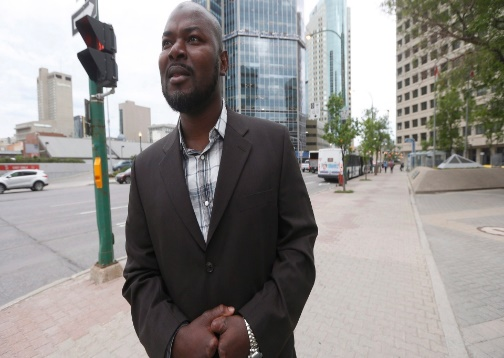
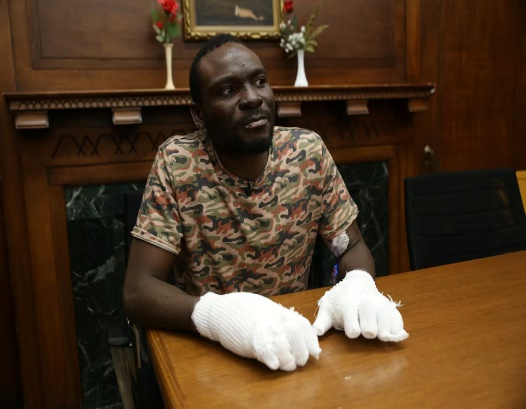
After hours of walking through deep snow near Emerson, Manitoba, their bodies began to shut down. Frostbite set in silently and mercilessly. They collapsed, helpless, until fate intervened in the form of a good Samaritan truck driver who spotted them and rushed them to a hospital in Morris. Weeks later, they were transferred to Winnipeg’s Health Sciences Centre, where doctors delivered the devastating news that all their fingers would be amputated.
“I was traumatised,” Mohammed Seidu recalled. “I was crying, asking myself, how can I work? How can I eat? How can I live without my fingers?” The doctors tried to reassure him that life would continue, but grief came first.
Today, Mohammed Seidu and Razak Iyal are living proof of human resilience. With the help of doctors and scientists, they use adaptive tools to type, use mobile phones, and perform everyday tasks. What once seemed like the end became the beginning of a new purpose.
“Where you are not welcome, another country will welcome you,” Mohammed Seidu reflected. “It is painful to see your country not caring about your freedom or human rights. But the country that cares about human rights, that is where you belong.”
They made their case and eventually became Canadian citizens. Mohammed Seidu speaks not with bitterness, but resolve. “We are not bad people. We came with honour and respect, and to contribute. I will never pray for my enemy to go through what I went through.”
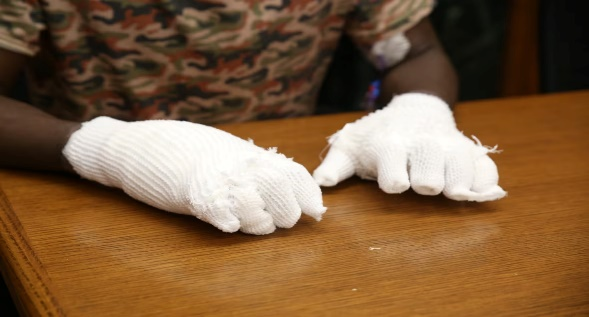
The deadly foot-slog took his fingers, but it did not take his voice, his humanity, or his determination to lead and give back. His story stands as both a warning and a testament. Migration is not always a choice, survival is never easy, and hope, though costly, can still endure.
Story By: Stephen Armah Quaye, Toronto, Canada.
Latest Stories
-
Mental Health Alliance urges government to operationalise Mental Health Fund
7 minutes -
Ghana–Holy See agreement heads to Parliament after Cabinet approval
11 minutes -
Luv FM Corporate Games 2026: Kumasi Central Prisons, Amanfiman Bank win big amid fun
23 minutes -
WAFU B U17: Ghana top Group A after win over Togo
52 minutes -
Ho Central Mosque reopens amid unresolved leadership dispute that led to closure
2 hours -
Minority caucus questions GH¢16.4m in Ablakwa’s SA evacuation spending, demands independent audit
2 hours -
Gender Ministry meets Nana Akua Addo’s husband over domestic violence after hospital discharge
3 hours -
UG Vice-Chancellor urges swift operationalisation of National Research Fund
3 hours -
Pope Leo to have surgery after lump found in lung
4 hours -
Joseph Cudjoe writes: Ghana must break free from the dangerous mindset that natural resources are the foundation for wealth
4 hours -
Children among 109 dead after boat capsizes off Djibouti, UN says
4 hours -
OmniBSIC Bank’s 11th health walk promotes fitness and business growth
4 hours -
2026 World Maritime Day: Danish Embassy organises “The Gulf of Guinea Speaks”
5 hours -
New Economy will tackle unemployment and restore hope – Ato Forson
5 hours -
IMMILAC president recounts personal losses as security women lead breast cancer awareness campaign in Wa
5 hours