

Audio By Carbonatix
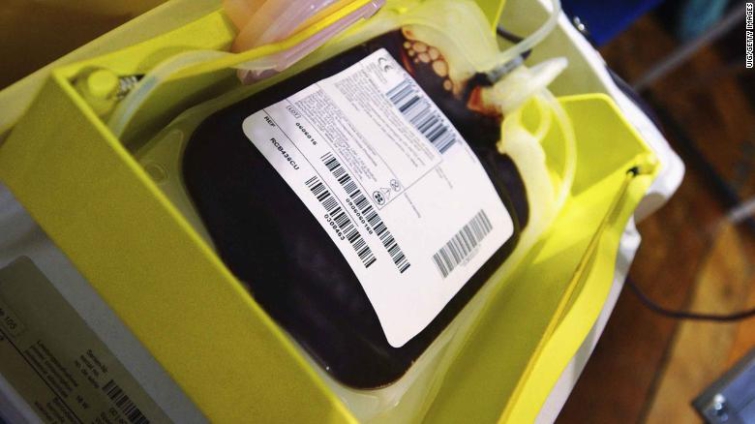
The UK will allow some sexually active gay and bisexual men to donate blood, overturning a ban that originated during the HIV/AIDS epidemic of the 1980s and has been decried as homophobic for years.
From 2021, men in a long-term relationship will be able to give blood at any time, the government said, in what it described as a "landmark" change. But other men who have sex with men (MSM) will still need to refrain from sex for three months before donating.
Rules preventing gay and bisexual men from blood donation were implemented in many countries in the wake of the AIDS crisis, with health agencies arguing that they were more likely than other people to acquire infections through sex.
The UK will let some sexually active gay and bisexual men give blood, ending a controversial ban https://t.co/ITOdx5CUZz
— Fulvio Meloni (@MeloniFulvio) December 14, 2020
But LGBTQ campaigners and other groups have opposed the bans, warning that they perpetuate stereotypes about gay and bisexual men and contending that with modern screening methods, the risk of missing an infection is small.
The UK change, which came after an advisory board made recommendations to the government, will see each prospective donor judged on an individual basis.
"This is a positive step and recognises individuals for the actions they take, rather than their sexual preference," Health Secretary Matt Hancock said.
The move was received positively by LGBTQ charities, but many pressed for further changes to allow more gay and bisexual men to make potentially lifesaving donations.
"This change will help ensure more gay and bi men can donate blood, and represents an important first step towards a donation selection policy entirely based on an individualised assessment of risk," Nancy Kelley, chief executive of the LGBTQ rights group Stonewall, said in a statement.
"While we welcome today's news, we know much more still needs to be done to tackle the challenges that lead to gay and bi men, along with other groups of people including black African communities, sex workers, and trans communities, being at higher risk of acquiring HIV and other STIs," she added.
In the 1980s, Britain implemented a total ban on blood donation for any man who had ever had sex with another man. In 2011 it was scrapped in favor of a one-year deferral period in which a gay or bisexual donor must refrain from sex, and in 2017 that period was reduced to three months.
A number of countries including Croatia, Malaysia, Singapore and Ukraine still have universal bans in place, Reuters reported, while others including Italy and Spain have no restrictions at all.
The United States made MSM wait one year after having sex before they could give blood, but it shortened the period to three months in April, given an increased need for donations as a result of the coronavirus pandemic.
The American Red Cross is among the organizations that has opposed the rules, saying on its website that "blood donation eligibility should not be determined by methods that are based upon sexual orientation."
British blood donors must answer a series of questions about their lifestyle and sexual history before donation, which will remain in place under the new approach.
As well as questions for male donors, female donors are also asked whether they have had sex with a man who has ever also had sex with another man.
The UK's NHS Blood and Transplant Service said it was "very pleased" at the change, and several lawmakers welcomed the move.
"Such a contrast to the attitude I met campaigning at the Department of Health many years back when someone said 'gays can't be trusted to tell the truth about their sex lives,'" Michael Fabricant, a lawmaker with the governing Conservative party, tweeted.
Latest Stories
-
Parliament questions proliferation of unapproved containers in East Legon
1 hour -
Promotion arrears alone cannot end teachers’ strike — PRETAG
1 hour -
Ebi Bright alleges assault on driver in dispute with Tema Central MP
1 hour -
GH¢35m Darkuman 24-hour market to be completed in 16 months — MCE
2 hours -
NPP risks losing Karaga seat if Amin Adam doesn’t contest – John Boadu
2 hours -
Ghana Reference Rate falls to 10.04% in October as borrowing costs ease
2 hours -
53% of NPP delegates backed alternatives to John Boadu in chairmanship race – Mussa Dankwah
2 hours -
High taxes, water shortages push up hotel operating costs — Hotels Association
2 hours -
Catholic Bishops demand tougher action on tramadol, marijuana and other drugs
2 hours -
Government positioning Banda District to become major tourism destination hub – Housing Minister
2 hours -
Deputy Education Minister appeals to striking teachers to return to classrooms
2 hours -
Government to involve corporate Ghana in street maintenance – Ayariga
2 hours -
No contractor is untouchable because of political links — Agbodza
2 hours -
Contractors to resume work on Phase Two of Kejetia Market Project
2 hours -
Government committed to resolving teachers’ concerns - Vice President
2 hours