

Audio By Carbonatix
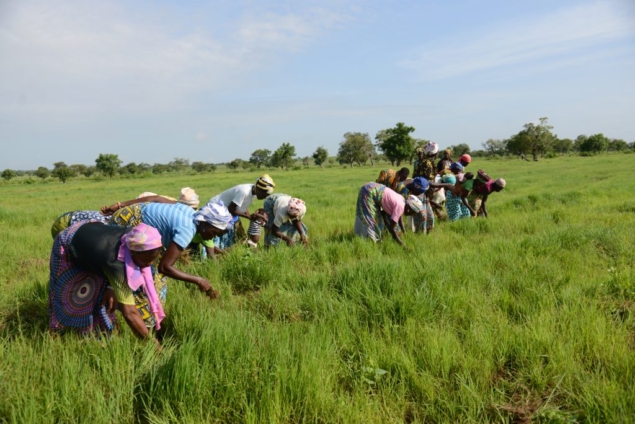
The Peasant Farmers Association of Ghana is requesting that the government provide clarity on the 100 million cedis released to the National Food Buffer Stock Company for the purchase of grain excesses from farmers across the country.
The money was released to buy grains, including maize and rice, with expectations of stabilising prices and helping farmers offload their surplus harvest.
However, several months later, the farmers say they have yet to see any significant implementation.
Executive Director of the Association, Bismark Owusu Nortey, stated that despite the announcement, there has been little evidence of NAFCO purchasing produce directly from farmers.
“I have not had any report from any farmer saying he or she has experienced or witnessed NAFCO buying their produce, which is why we are a bit worried about where the GHC 100 million went to,” he said.
Although he described the move as commendable, he expressed deep concern over the lack of visible impact on peasant farmers across the country.
Mr Nortey emphasised that no clear data is indicating which districts benefited from the initiative.
“The 100 million GHC that was released, our information is that NAFCO have bought some rice, but the details are quite sketchy because we do not know where those rice sacks were bought from. I’ve not heard from my farmers or farmers elsewhere stating that they had their produce bought from NAFCO, but we know NAFCO has bought because we’ve seen some pictures of some rice being labelled with the NAFCO logo, so we just wanted more clarity on that,” he explained.
He urged NAFCO to publish a list of companies that were awarded contracts, indicating where the rice was purchased and in what quantities.
According to him, this level of transparency would help the association and farmers track progress and understand how the funds were utilised.
Looking ahead, Mr Nortey mentioned that if another GHC 100 million is to be released, there must be clear timelines and transparency on how it will be disbursed.
“The association would want to see very quick timelines on that and to also have the list of all the approved aggregators or millers published, where the farmers can directly contact them and then see to the lifting or mopping of their grains. This is what the association is crying for,” he added.
He further stressed that NAFCO should intensify its efforts to mop up produce from the field and provide clear guidance on how farmers can engage with the system.
The PFAG believes that better communication, accountability, and timely action will not only protect the interests of farmers but also strengthen confidence in government interventions within the agricultural sector.
Latest Stories
-
Ghana explores centre of excellence for hearing, communication and cochlear implant care
60 minutes -
Schizophrenia-related disorders lead mental health cases recorded in Ghana
1 hour -
Dutch authorities enlist Ghana in hunt for fugitive drug lord Bolle Jos
2 hours -
Ghana housing finance conference adopts communiqué to improve affordable housing access
6 hours -
Special Initiatives Minister urges Wa Technical Institute to enrol more girls as EU-backed solar training lab opens
7 hours -
In the matter of my first year at the Bar
7 hours -
ActionAid Ghana calls for an end to child marriage, greater investment in girls’ rights
7 hours -
Newsfile to tackle World Cup visa scandal, beach demolitions, education strikes, BRICS bid
7 hours -
UK-Ghana Trade & Investment Summit: Trade Resource Centre to help businesses maximise UK-Ghana trade opportunities
8 hours -
Embassy of Denmark celebrates World Maritime Day
8 hours -
Linking LEAP to productive inclusion could cut extreme poverty by 2030 – UNICEF
9 hours -
Trade Ministry backs use of creative arts to rehabilitate prison inmates
9 hours -
Negotiations with government to continue despite strike suspension – GNAT
9 hours -
‘Ghana cannot afford to waste public resources; every cedi has a job’ – Ato Forson
9 hours -
Ghana expects economic boost as World Assemblies of God Congress brings 10,000 delegates to Accra
9 hours