

Audio By Carbonatix
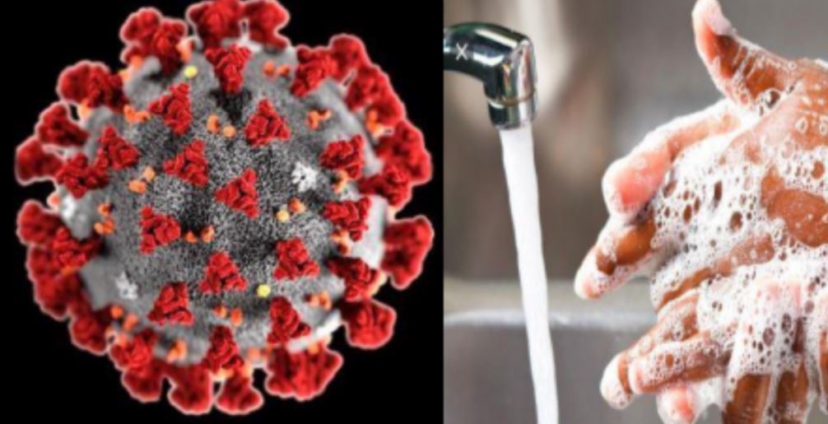
A study across the country has revealed lots of Ghanaians are not washing their hands frequently for more than twenty seconds as recommended by the World Health Organisation to prevent spread of Covid-19.
The study showed 46.1% of the respondents practised handwashing for more than 20 seconds, 35.7% did that for 10-20 seconds while 18.2% also did so for less than ten seconds.
“It was found in the study that most people do not wash their hands in accordance with the WHO’s standard of not less than 20 seconds per handwash,” the study by PhD student at the Kwame Nkrumah University of Science and Technology (KNUST) Francis Dadzie Mintah and seven other researchers from the University of Cape Coast, University of Ghana and the University of Education – Winneba, noted.
Questionnaires were administered to over one thousand people who were sampled across the country using a simple random sampling technique.
The study observes a lot of people are practicing frequent handwashing with soap under running water in this Covid-19 era more than before the pandemic hit.
However, a decline in the frequent washing of hands in a day is likely to be observed in the country after the Covid-19 pandemic period.
If this trend continues, there is the likelihood of Ghanaians and non-Ghanaians becoming more exposed to not only Covid-19 disease but also to all diseases associated with personal hygiene.
“This may result in high fatalities in diseases pertaining to personal hygiene,” the study said.
It recommended that education on handwashing for personal hygiene should be intensified across the entire country. Moreover, the attitude of Ghanaians toward personal hygiene and handwashing to be precise should change for the better.
“Again, the government of Ghana should put in measures to ensure availability of running water in the communities across the country,” the study recommended.
The study found that females are 79% more likely to engage in frequent handwashing as compared to males.
Moreover, non-Ghanaians are 81% more likely to frequently wash their hands than Ghanaians. Individuals with no formal education are 19% less likely to engage in frequent handwashing per day as compared with those with tertiary education.
“Therefore, education on frequent handwashing should be intensified across the entire country,” the study added.
Latest Stories
-
Central Region NPP women executives endorse Justin Kodua for second term
14 minutes -
Oil extends losses on hopes for Middle East talks to ease supply woes
21 minutes -
Gov’t must put its skin in the game – Chamber of Mines demands tax, power relief for local gold refining
28 minutes -
I was suspended for defending NPP constitution, not opposing Akufo-Addo – Sammy Crabbe
39 minutes -
NPP suffered serious systemic failure in 2024 polls – Sammy Crabbe
45 minutes -
AMA arrests six drivers, mates over alleged overcharging of passengers
48 minutes -
NDC activist backs Sammy Gyamfi, calls for facts in GoldBod $1.7bn debate
51 minutes -
‘Don’t exclude us, then blame us for indiscipline’ – Catholic Bishops on GES Council removal
55 minutes -
Minority accuses Majority of wasting parliamentary time after emergency recall
1 hour -
Catholic Bishops warn galamsey becoming source of employment for Ghanaian youth
1 hour -
Can we give refineries more cheap power? – Chamber of Mines pushes energy solution for local gold refining
1 hour -
Parliament to vet Zanetor Agyeman-Rawlings, Mahama Ayariga today
1 hour -
Presby Moderator urges government to show political will to end galamsey
1 hour -
Lower Manya Assembly supports PwDs with livelihood items
1 hour -
Legislation to regulate EV charging in the offing – Energy Minister
1 hour