

Audio By Carbonatix
The Ashanti regional office of the National Population Council (NPC) has been operating without electricity for the past two years.
Regional Director, Mercy Adomaa Besseah, laments work has been tough because the office also lacks operational vehicles, computers and other office equipment.
The NPC was established in 1994 as the highest statutory body to conduct research and advise the government on population matters.
The Council has a strong advocacy role to promote the goals and objectives of the National Population Policy, the Growth and Poverty Reduction Strategy (GPRS II) and the Programme of Action of the International Conference on Population and Development (ICPD).
The NDC office in Ashanti region is however starved of the needed resources to be productive.
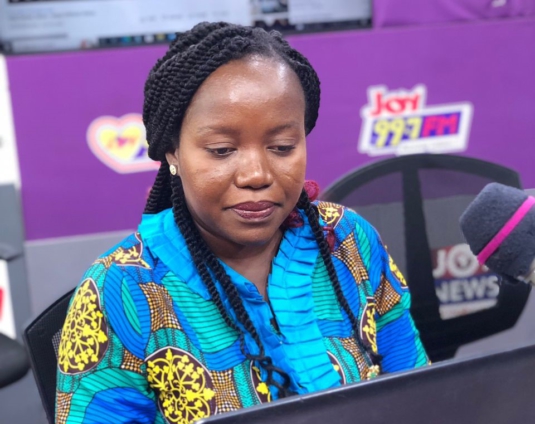
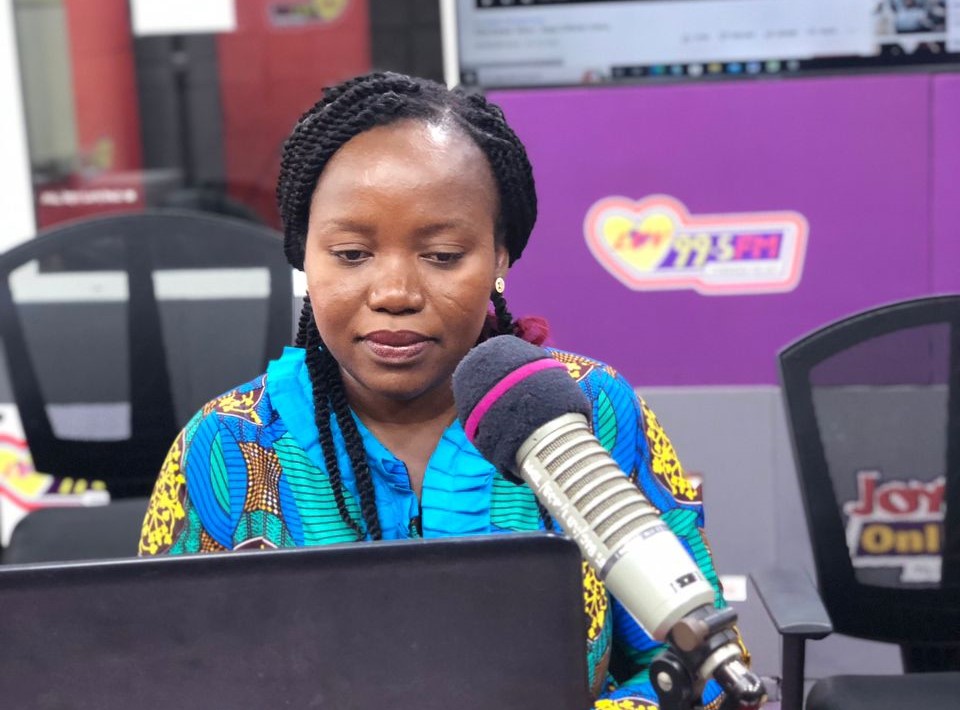
Speaking to David Akuetteh on Luv In The Morning on Luv Fm, Madam Adomaa Besseah noted that the under-resourced office is gradually contributing to the ineffectiveness of its workers.
“All the equipment is outmoded; they have broken down. Sometimes, working becomes difficult. We have the District Population Advisory Committee, however, as a result of financial constraints, we are unable to go down to the district level,” she said.
With a non-functional District Advisory Committee, the Council partners the Ghana Statistical Service to access data to be able to advise the government.
Poor planning with population
According to Mercy Adomaa Besseah, there has been no proper planning with population figures previously.
This has resulted in the infrastructural disparities in the health and educational sectors.
“When you visit our health centers, one doctor services about 500 patients. How will the doctor find time for you? The situation is the same in our schools. A teacher handles over 100 students. An example is the Free SHS programme. The student numbers are huge. You will find that student discipline is low, what are we training?” she quizzed.
A factor contributing to the growing population is teenage pregnancy.
Currently, the Ashanti Region leads in the prevalence of teenage pregnancy.
Young girls in mining communities are often victims who have little knowledge about sexual reproductive health.
Mercy Adomaa Besseah wants education and sensitization intensified in such communities to curb the menace.
“Let them know the consequences of such acts. If not, the dependency ratio also increases. Often you will find that the victim also has five other siblings who are also pregnant,” she said.
Yet community outreaches done by the National Population Council has been challenging.
Latest Stories
-
GNFS contains fire outbreak at Teshie Lekma Road near Lekma Hospital
4 seconds -
Samia Nkrumah rejects the narrative that Ghanaians were happy after Nkrumah’s overthrow
1 hour -
A Mother’s pain: Tribute by Ivan Baidoo’s mother
2 hours -
‘Forgive us for staying away’ — Samia Nkrumah leads family back to Nkroful, pledges to preserve Nkrumah’s legacy
2 hours -
Ernest Nuamah scores twice as Lyon beat Rennes
2 hours -
‘My dear Ivan’ – A father’s tribute to a son tragically killed
2 hours -
GNPC Explorco advances Voltaian Basin drilling preparations with 13.5km access road
2 hours -
Cabinet approves facility manager for Borteyman Sports Complex – Kofi Adams
3 hours -
Sanitation is improving; critics may be ‘living in another world’ – Salaga South MP replies Bekwai MP
3 hours -
Government must do more to tackle sanitation crisis – Bekwai MP
3 hours -
World Cleanup Day: GFF begins sanitation education in local communities
3 hours -
EU Ambassador, IGP discuss stronger cooperation on policing and security
3 hours -
Africa Nations Volleyball Championship: Ghana set up quarterfinal clash with Cameroon after beating Chad
4 hours -
Meet Dr Benjamin Appiah Osei — Ghana’s three-time tourism awards winner
4 hours -
UEFA & CONCACAF demand Fifa pays $10m to all 211 members
4 hours