

Audio By Carbonatix
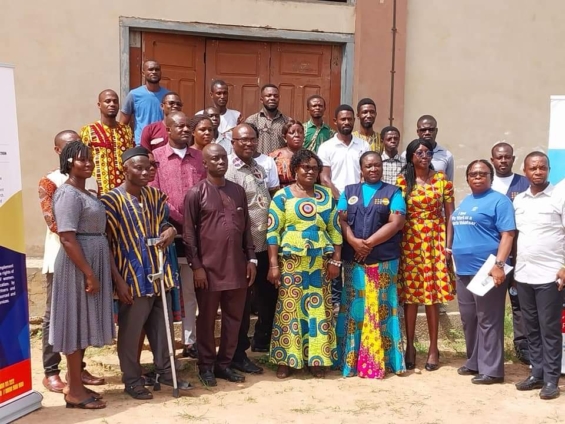
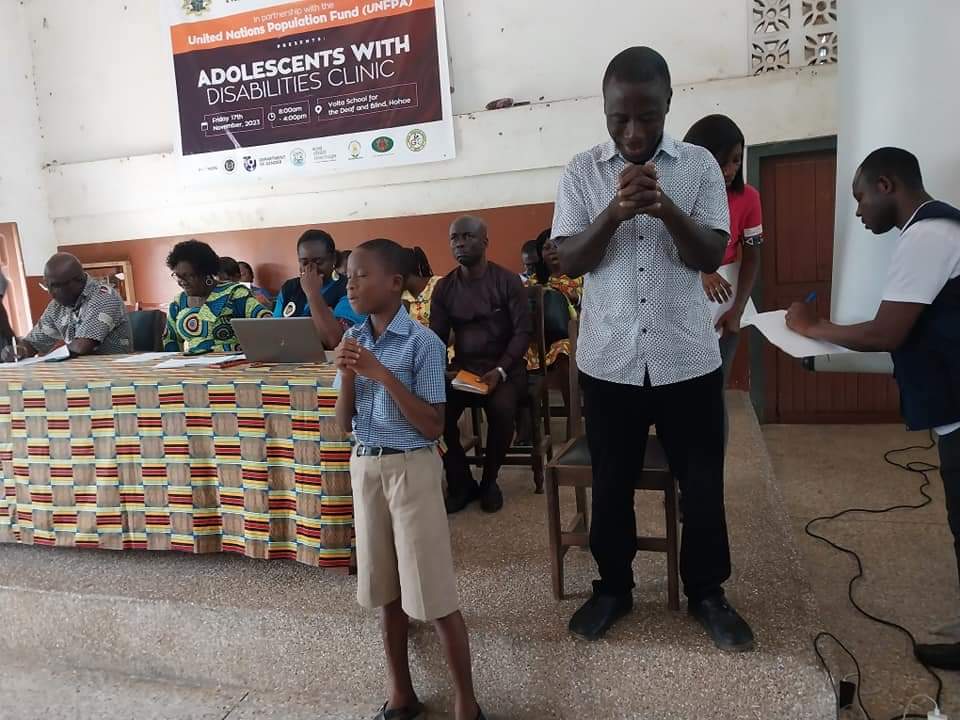
The Volta Regional Department of Gender has organised a clinic aimed at empowering adolescents with disabilities in the region.
The Regional Director, Eyra Thywil Kpe, described the event as a disability-centered participatory program conducted on campus.
She expressed gratitude to the providers for delivering a range of essential services.
The clinic focused on key areas such as gender-based violence (GBV), assertiveness, sexual reproductive health rights (SRHR), and career guidance.
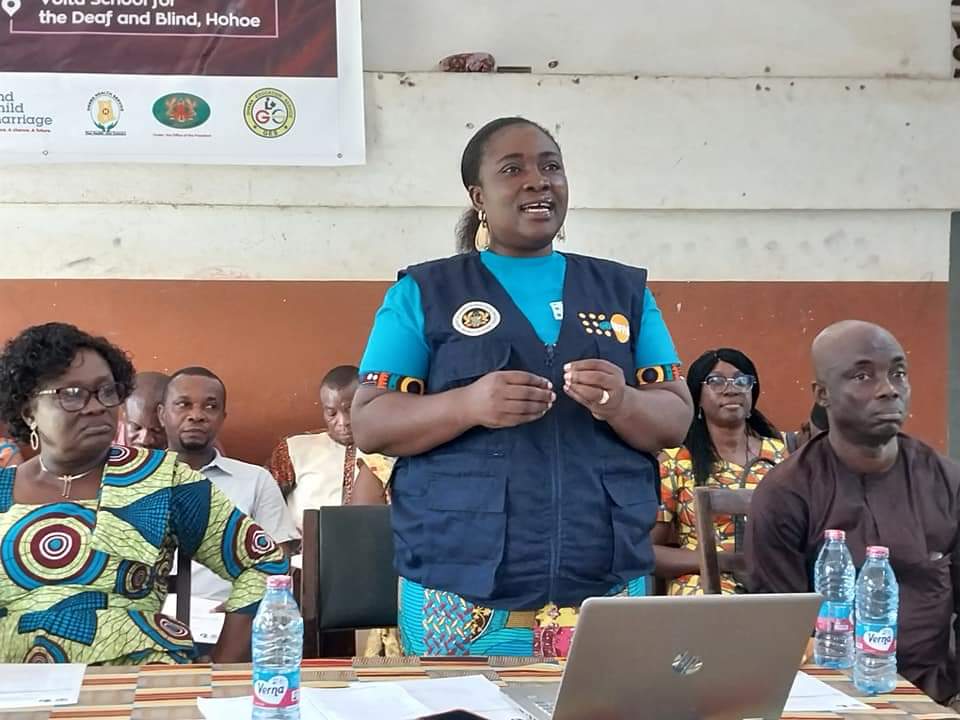
Participants primarily included students from the school for the deaf and blind, along with a few from Afadzato South, South Dayi, and North Dayi.
Mrs. Kpe emphasized the department's commitment to collaborating with relevant partners to provide essential services for adolescents with disabilities (AWD). This collaboration will employ various approaches, including participatory engagement.
The sensitization and interactive sessions sought to facilitate open discussions and develop self-advocacy skills among participants on issues like SGBV, ASRH, and educational guidance.
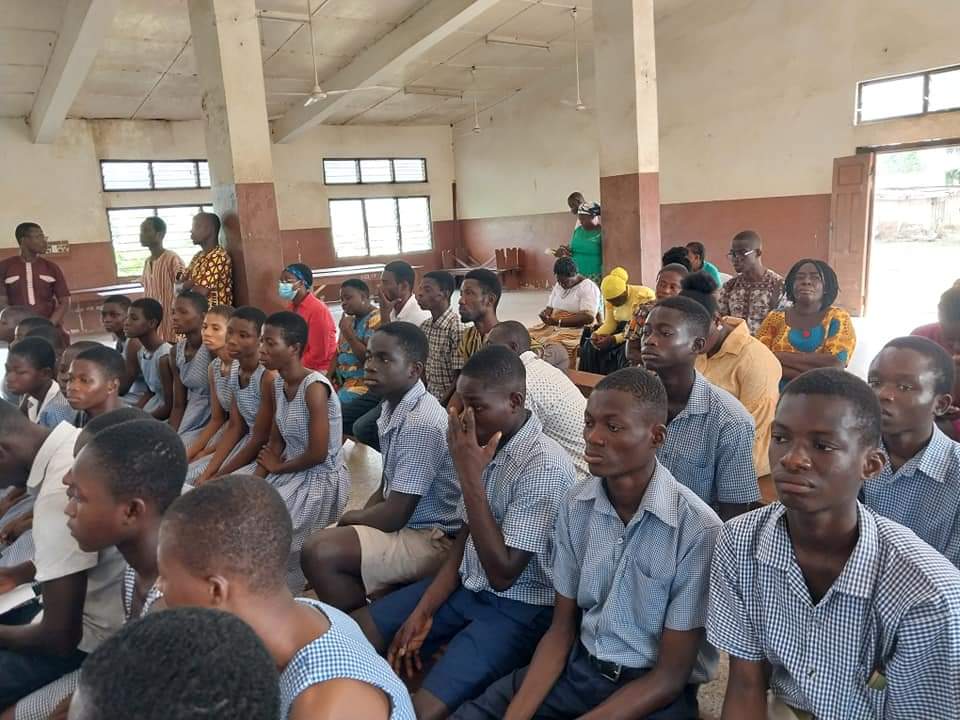
Mrs. Kpe highlighted the prevailing challenges faced by adolescents with disabilities, citing stigma and negative attitudes from families and communities as major obstacles.
Addressing the impact of cultural beliefs associating disability with curses, she noted the distressing accounts that often lead to harsh treatment.
Mrs. Kpe underscored the need to eliminate these barriers to enable AWDs to reach their full potential.
Discussing the broader societal implications, Mrs. Kpe stressed that the exclusion of women and adolescent girls, regardless of their abilities, has significant social and financial costs in Ghana.
She linked the achievement of sustainable development goals to the implementation of gender equality and social inclusion. Ghana's commitment to the Convention on the Rights of Persons with Disabilities was also highlighted.
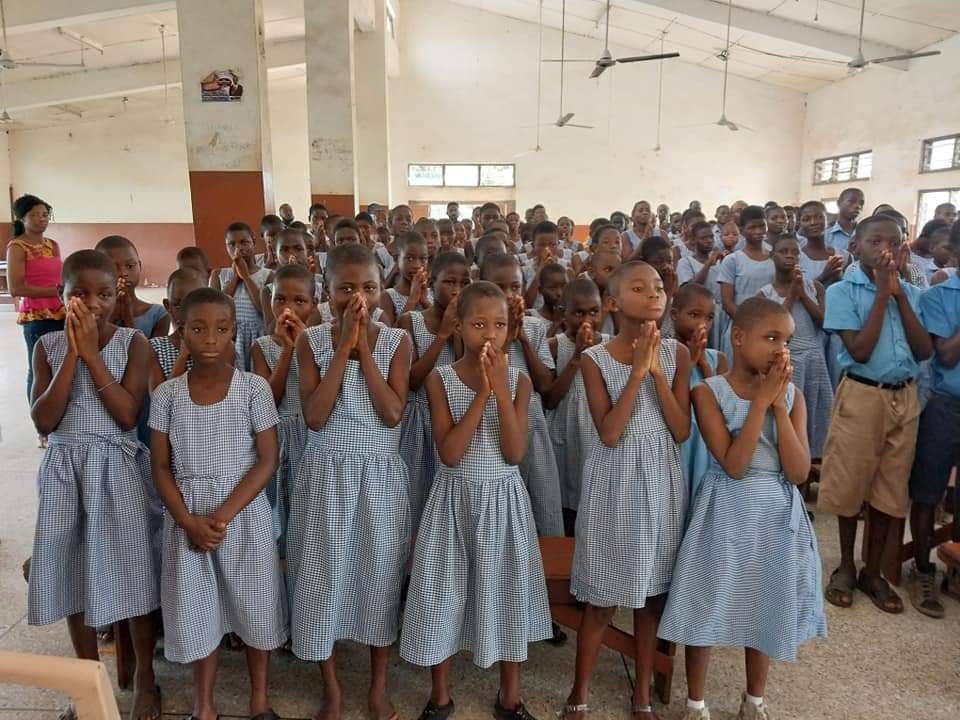
The program, set to engage over 200 in-school adolescents with disabilities, aims to raise awareness on ASRH and SGBV.
It seeks to empower AWDs with knowledge and skills to assert their rights, advocate against abuse, and seek support when needed.
Additionally, the initiative strives to create an inclusive and safe space for AWDs to share experiences and concerns with service providers, offering redress and psycho-social support.
In a gesture of support, the Department provided girls with disabilities with sanitary pads and equipped participants with helplines for accessing services and guidance.
Latest Stories
-
Young woman found dead at Kasoa Peace Town
26 minutes -
Livestream: The Law examines lawful arrest in Ghana
51 minutes -
Mahama urges African governments to treat healthcare as an investment, not budget cost
1 hour -
Bawumia congratulates John Boadu and new NPP executives, pledges support ahead of 2028
1 hour -
‘No talent should be left out’ – Bawumia pledges inclusive NPP campaign for 2028
2 hours -
Prof. Mike Oquaye recounts how he blocked Special Prosecutor’s attempt to arrest Bawku Central MP
2 hours -
Make health sovereignty a priority for Africa – Mahama
2 hours -
Dorimon Naa, Wa West DCE lead massive clean-up exercise; threaten sanctions against recalcitrant residents
2 hours -
Photos from Adom FM Y2K Jam
2 hours -
Praye Tiatia steals the show at Adom FM Y2K Jam [Watch]
2 hours -
Boakye Agyarko congratulates John Boadu, pledges support for NPP leadership
3 hours -
Antwi HiMight thrills fans with Antwi ne Antwi hits at Adom FM’s Y2K Jam [Video]
3 hours -
Amb. Edward Boateng congratulates Boadu, Kodua on election wins
3 hours -
John Boadu pledges to rebuild NPP from grassroots and restore ‘winning machinery’
3 hours -
Ashaiman Assembly deploys monitoring system to curb dumping in storm drain
4 hours