
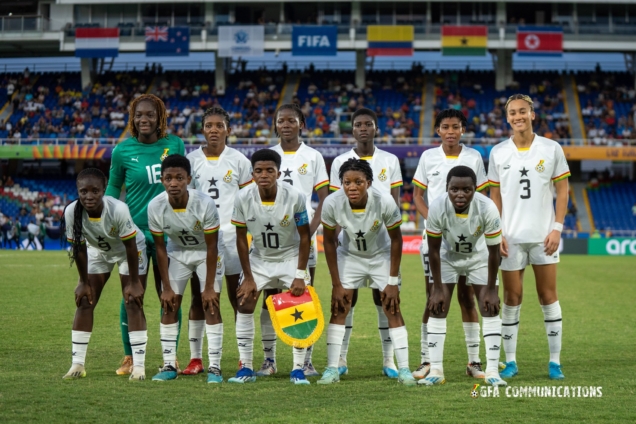

Audio By Carbonatix
“Great things are not done by impulse, but by a series of small things brought together.”
The words of Vincent van Gogh, the renowned Dutch Post-Impressionist painter, encapsulate the essence of the seemingly unimportant details in achieving something greater.
Reaching greatness takes time, effort, and attention to detail. Unfortunately, it seems Ghana is yet to grasp this realisation.
“The truth of the matter is that the Football Association doesn't own players. The clubs are responsible for the registration of their players. What the Football Association does is just rely on players that have been registered by the clubs to represent Ghana, and therefore, when you have such a challenge, it is very difficult to control," Ghana Football Association President Kurt Okraku told SuperSport in an interview back in 2023.
This statement from Okraku came a year after the Confederation of African Football (CAF) banned Ghana from competing in the next two editions of the U-17 Women’s World Cup African qualifiers due to age fraud. And yet, it remains the only official communication Ghanaians have received from the FA since that devastating news.
The national U-17 women’s team, the Black Maidens, is supposed to serve as the first step for national team experience in the conveyor belt of talents for the women’s national teams.
But Ghana’s exclusion from U-17 female football at the elite level means that the next three sets of young football talents will miss that crucial first step of team building and experience that the U-17 level is meant to provide.
Ghana’s painful exit from the ongoing FIFA U-20 Women’s World Cup in Colombia only underscores the importance of proper team development, particularly at the youth level.
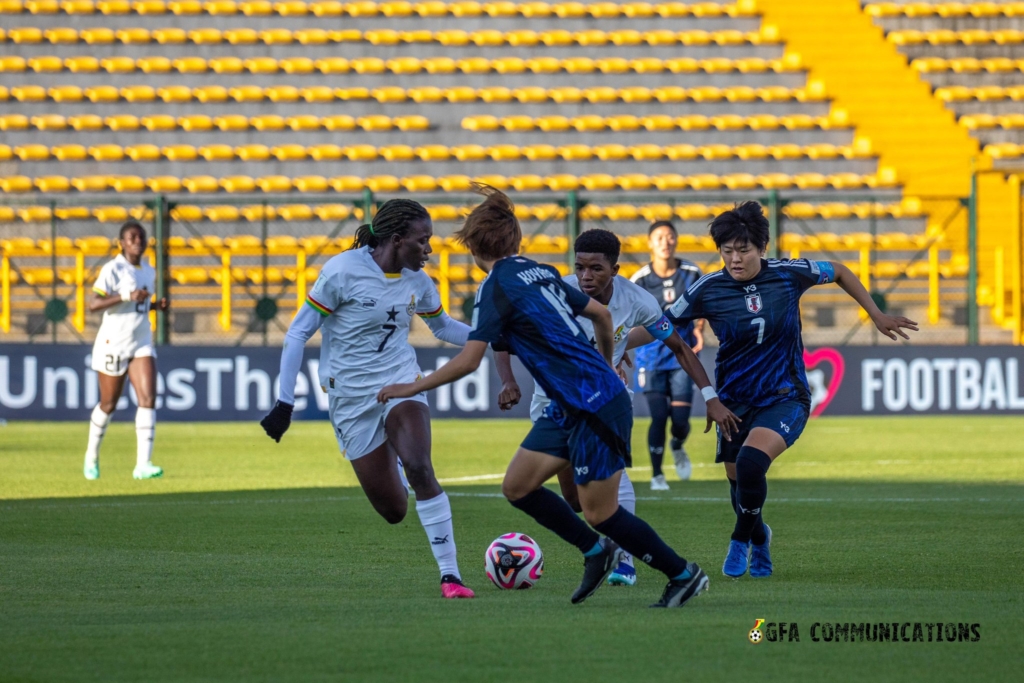
Admittedly, the team's history of group stage exits in the past six tournaments didn’t inspire much hope for a better outcome this time around.
However, Basigi gave Ghanaians hope through their performance, but when it mattered most, this national U-20 women’s team, the Black Princesses, were a shadow of themselves throughout the tournament, suffering defeats in their first two games before eventually exiting at the group stage.
These performances were shockingly uncharacteristic of a team led by Yusif Basigi, who had won both the WAFU Championships and the African Games within the past year.
Most expected them to build on those successes—but it wasn’t to be.
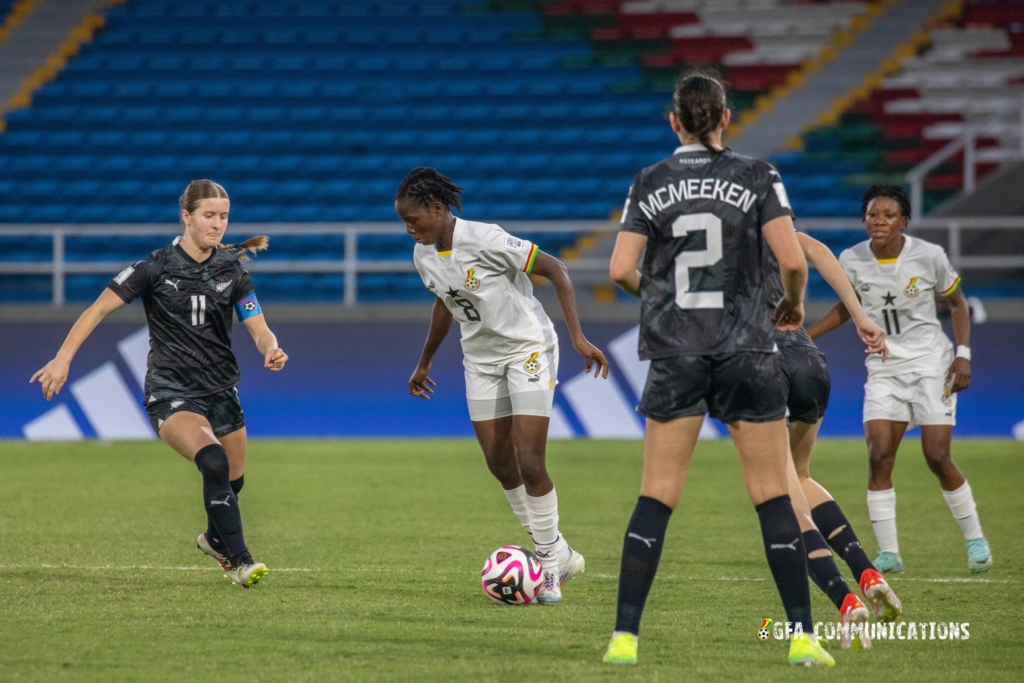
The disappointing outcome raises serious questions about the quality of their preparation. But more telling is the realisation that this team is only the first of three groups who might suffer from the absence of competition at the U-17 level during their developmental years.
This tournament marked the first time any member of the Black Princesses had experienced global elite competition.
In contrast, previous teams had the benefit of U-17 experience to prepare them for the challenges ahead. The inexperience was glaring, manifesting in nervous, error-strewn performances—unmistakable signs of stage fright and lack of exposure.
This tournament was the first time any member of the Black Princesses had experienced global elite competition, as opposed to previous teams who had the benefit of experiencing that at U-17 level.
As a result, the inexperience was palpable, giving way to uncharacteristic performances riddled with many individual errors. Such unfortunate recurring patterns point directly to inexperience and stage fright.
To double down on the failures of the Football Association, the team also endured their first time at a global competition without a psychologist.
Reports of team morale plummeting beyond the control of the technical team after their shock defeat to Austria only emphasise the importance of psychological support in high-pressure tournaments.
A well-run association that plans thoroughly would have anticipated the immense mental toll such a tournament could take on the players, especially given that this was their first time on such a stage. But not the GFA.
Ghana needs to understand that talent alone is no longer enough in modern elite competitions. Proper, deliberate planning is required, down to the tiniest detail.
The consequences of administrative neglect at the U-17 level are now impacting talent development at the U-20 level, and if nothing changes, the effects could seep into the senior women’s team, the Black Queens.
Is it too much to ask for proper planning?
Latest Stories
-
Arsenal cruise to Community Shield win against disappearing Man City
2 hours -
UHAS halts semester exams over administrative, logistical issues
3 hours -
ECG announces planned maintenance outages in parts of Ashanti Region
3 hours -
Barcelona agree £65m deal to sign Rodri from Man City
3 hours -
Sexual harassment has no place in educational institutions – Education Ministry
4 hours -
The growing culture of vacation classes in Ghana: Should students rest or continue schoolwork?
4 hours -
E.P. Church secures radio frequency, prepares to launch Bremen Radio
5 hours -
Two dead and hundreds evacuated as twin fires break out on Greek island
5 hours -
EPCG clears over GH¢11.7m in debt as outgoing moderator calls for tighter controls on borrowing
5 hours -
Mövenpick Ambassador Hotel Accra marks 15 years of premium hospitality
5 hours -
T-bills auction: Government exceeds target by 88%, interest rates tumble
6 hours -
Western North: Confusion erupts over NPP chairmanship election results
6 hours -
Bawumia congratulates newly elected NPP regional executives
6 hours -
Bawumia urges unity after NPP regional elections ahead of 2028
7 hours -
Russia says at least seven killed in largest Ukrainian attack of 2026
7 hours