

Audio By Carbonatix
With heat waves, floods, and droughts straining Africa’s already fragile health systems, governments and partners are seeking fresh solutions to protect vulnerable communities.
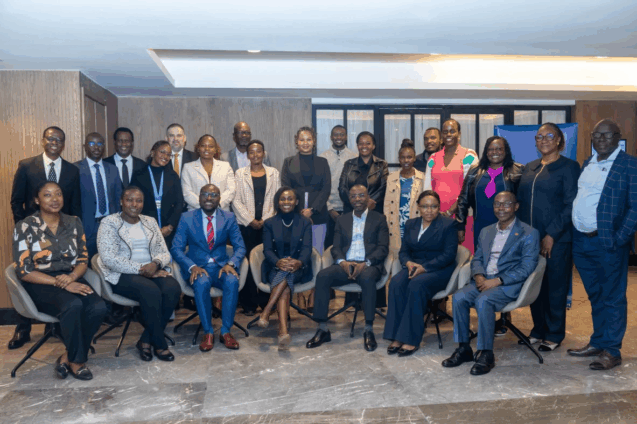
At a regional workshop in Nairobi, convened by the World Health Organisation (WHO) Regional Office for Africa and the Africa Enterprise Challenge Fund (AECF), stakeholders agreed on a proposal to mobilise innovative financing to strengthen health systems against climate threats.
WHO Africa’s Regional Team Lead for Climate Change, Dr. Jeremiah Mushosho, said the initiative could be a game-changer because it focuses on resilience, equity, and innovation in climate and health financing.
“By mobilising both public and private capital, and with the strategic guidance of the Adaptation Fund, we can unlock the scale of investment needed to safeguard Africa’s future.”
For millions of African families, the climate crisis is already a daily reality — from children battling waterborne diseases after floods to farmers struggling with hunger during long droughts.
Victoria Sabula, CEO of the Africa Enterprise Challenge Fund (AECF), stressed that protecting these communities will require more than traditional aid. Victoria indicated that African communities are already living the impacts of climate change; therefore, to safeguard them, countries must go beyond aid and bring in the ingenuity and investment of the private sector.
“This project is about building solutions that last, and that ordinary families in Africa can rely on.”
External Relations Officer at the WHO Regional Office for Africa, Grégoire Piller, stressed the need for stronger collaboration across sectors.
He said climate and health challenges cannot be solved by a single actor, and the new initiative shows the power of partnerships, where governments, international institutions, and the private sector come together around shared priorities.
“By building bridges across these communities, we are not only fostering trust but also unlocking the financial innovation needed to shield millions of Africans from climate-driven health crises.”
Delegates from Benin, Burkina Faso, Uganda, and Zimbabwe joined private sector leaders and technical experts to design financing tools, agree on governance structures, and align project goals with both national and global climate priorities.
The Adaptation Fund also provided key technical guidance to make sure the initiative is not only sustainable but also scalable.
This is one of the first regional efforts to create financing models that combine public and private capital to help African health systems withstand climate-sensitive diseases, food insecurity, and extreme weather events.
Latest Stories
-
Mobile Money Fintech LTD, UMB train hairdressers and beauticians
32 minutes -
Asylum votes show people want help, says Kemi Badenoch
2 hours -
Badenoch welcomes expanded grooming gangs inquiry
2 hours -
GACL MD sues Samuel Buabeng over alleged Facebook defamation
2 hours -
Christa Pike in critical condition after surviving two lethal injections, lawyer says
2 hours -
Kemi Badenoch backs face covering ban at protest
2 hours -
Man City not ‘above the rules’, says No 10 after backlash to Burnham remarks
2 hours -
Real Madrid submit ‘substantial’ dossier in Barca payments case
2 hours -
Messi completes purchase of second Spanish club
2 hours -
Government must engage horticulturists on tomato crisis – GhIH
3 hours -
King Promise’s ‘Can’t Tame Us’ becomes official Chelsea anthem
3 hours -
Afenyo-Markin demands Baffour Awuah’s release from EOCO’s custody, end to alleged political intimidation
3 hours -
Rapper Rick Ross arrested on domestic violence charges
3 hours -
Minority demands security review of Ghana-Colombia visa waiver and port deals
3 hours -
Pursue drug kingpins, not persecute political opponents – Afenyo-Markin tells EOCO
3 hours