

Audio By Carbonatix
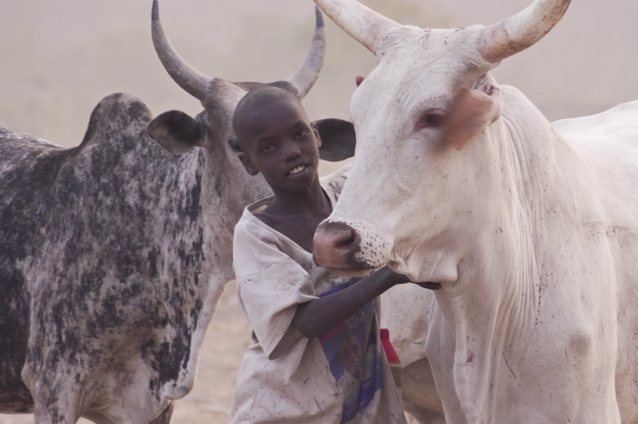
President John Dramani Mahama has pledged to strengthen government's efforts to tackle the growing number of out-of-school children after concerns were raised by School for Life during his engagement with civil society organisations at Jubilee House.
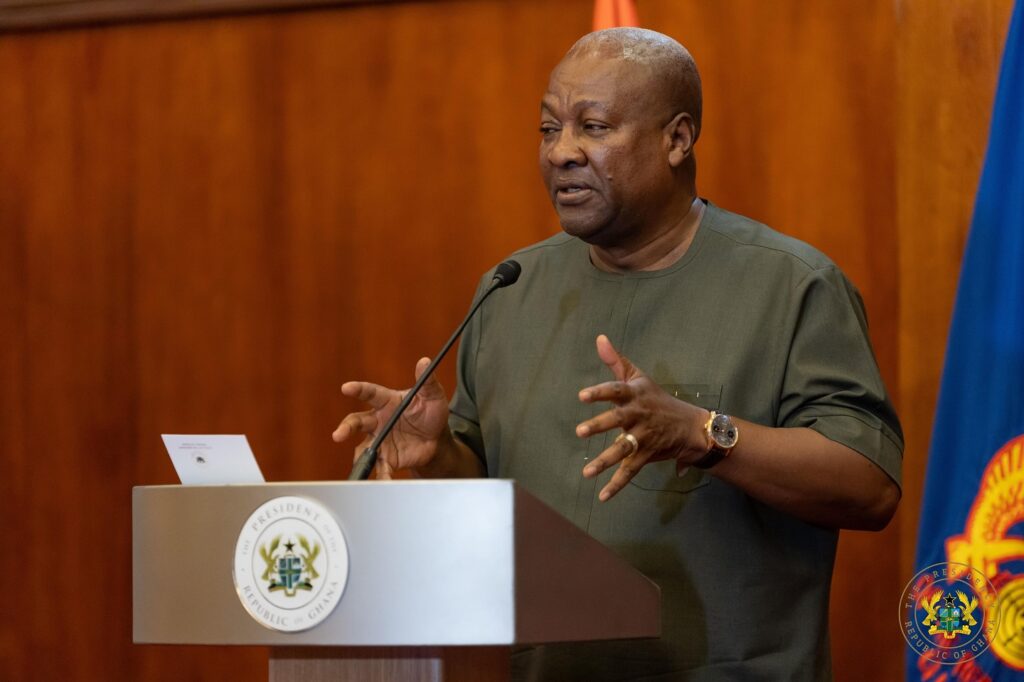
Responding to concerns raised by the Director of School for Life, Wedad Sayibu, the President said he was surprised to learn that the number of children outside the classroom had risen to about 1.2 million. He noted that earlier complementary education programmes had significantly reduced the figure in the past and stressed the need to intensify efforts again.
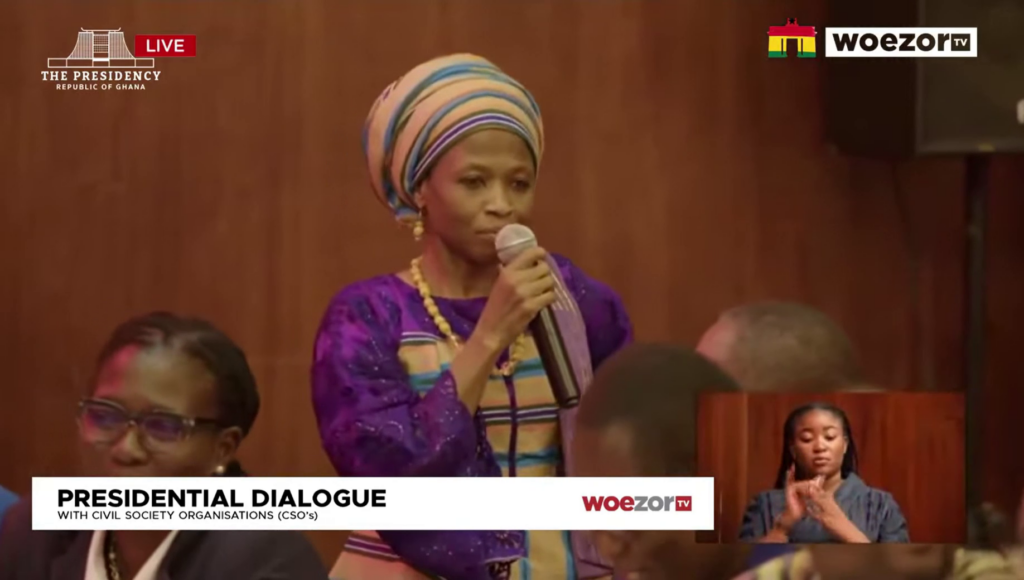
“We need to tighten and increase our efforts in bringing education to these children,” he said, adding that he will request an update from the Ministry of Education on the current status of complementary basic education and determine whether additional funding and resources will be required.
School for Life, an NGO that has spent more than three decades working in deprived communities in Northern Ghana to support children who are unable to access formal schooling. According to the organisation, its Complementary Basic Education programme has helped up to 400,000 out-of-school children gain basic literacy and numeracy skills and transitioned into the formal school system.
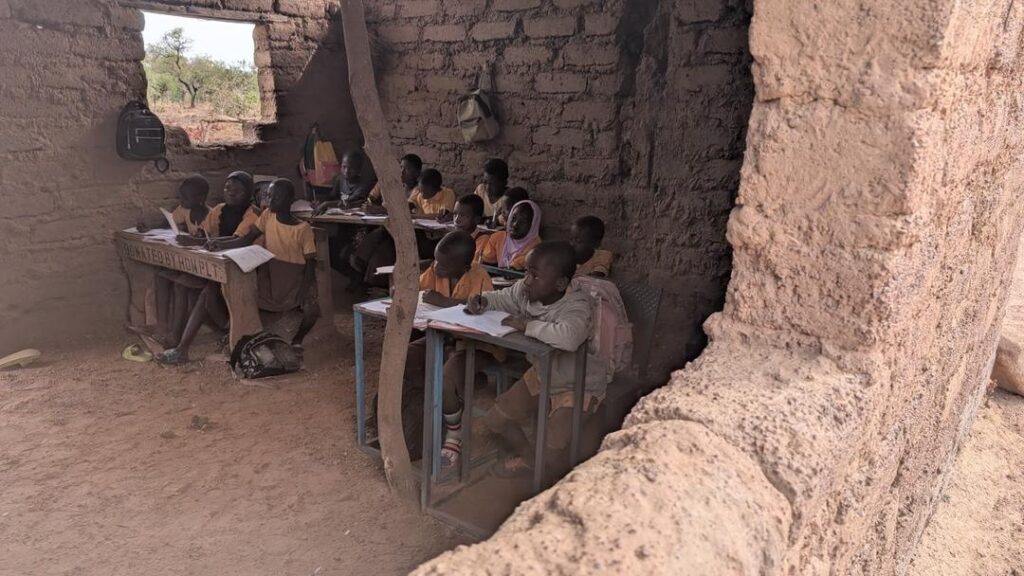
The programme targets children between the ages of 8 and 16 in hard-to-reach communities and runs community-based classes in local languages for nine months before integrating the children into mainstream schools. The model has been implemented in more than several districts across the country, and has also influenced national education policy.
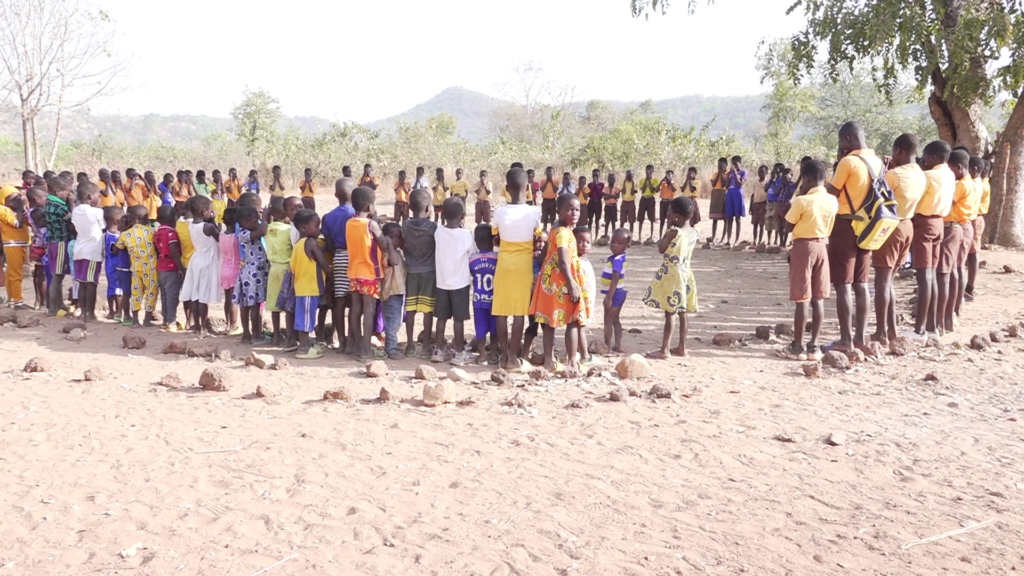
Beyond classroom support, the organisation continues to work with communities to generate data on education gaps, and advocate for improved access to quality basic education across the Northern, North-East, Savanna, Ashanti, Oti, Bono East, Upper East and Upper West regions.
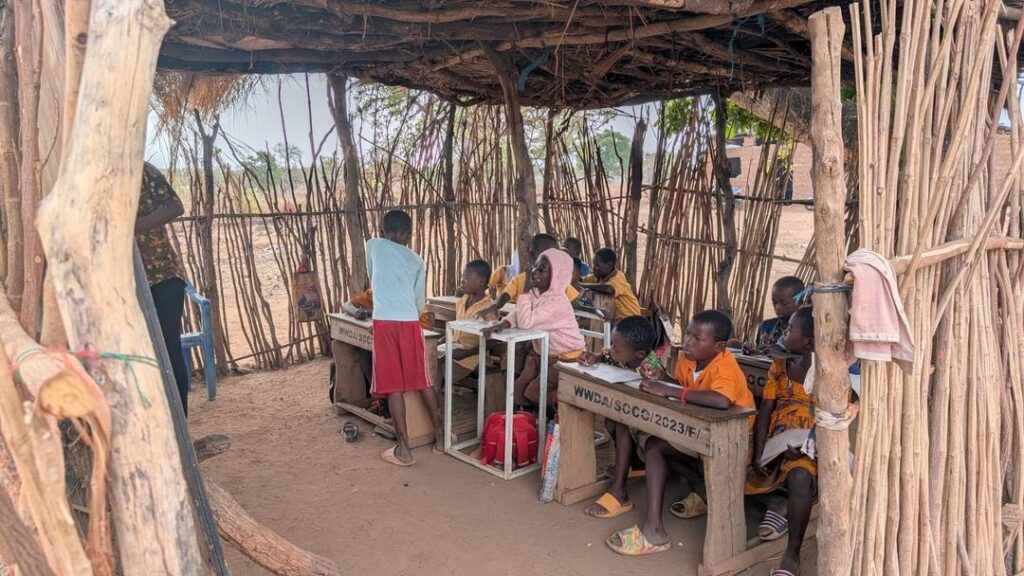
The discussion at the engagement also highlighted broader challenges affecting rural education, including teacher deployment, access to schools in remote communities and limited resources in deprived districts. Civil society groups say stronger collaboration between government and organisations already working on the ground will be key to reducing the number of children outside the classroom.
Latest Stories
-
‘I am not a magician’ – Zdravko Logarušić on Nations FC exit from Africa
3 minutes -
Three nights. 28 titles. Ultimate history made
13 minutes -
Ghanaian delegates at IYF 2026 could become bridges for stronger Russia ties – John Aggrey
17 minutes -
Nigeria: Over 30 dead, 50 hospitalised after consuming alcoholic substance in Ondo State
20 minutes -
UK lawmakers demand new law to address AI threat to human rights
29 minutes -
WAFU B U-17 Girls Cup: Black Maidens depart Accra for tournament in Yamoussokro
29 minutes -
Sweden’s center-left bloc narrowly ahead as election remains too close to call
40 minutes -
GPL 2026/27: ‘We won ugly’ – Kotoko head coach unimpressed after Lions victory
42 minutes -
7 out of 10 human trafficking cases in Ghana never reach prosecution — JoyNews Research
58 minutes -
Music, football to converge at Music Meets Football Summit 2026 in Lusaka
1 hour -
Putin invites young global leaders to partner with Russia in shaping future world order
1 hour -
Putin calls for ‘just world’, says every nation must be free to choose its own path
1 hour -
IFY 2026 food festival to serve 20,000 meals showcasing global cuisines in Russia
1 hour -
Ghana has a Domestic Violence Act: But can a victim afford to use it?
1 hour -
Young artists from 100 countries showcase works at IFY 2026 in Russia
1 hour