

Audio By Carbonatix
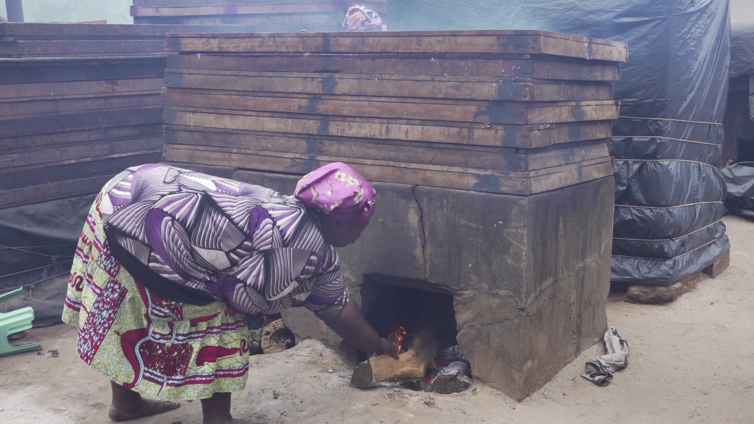
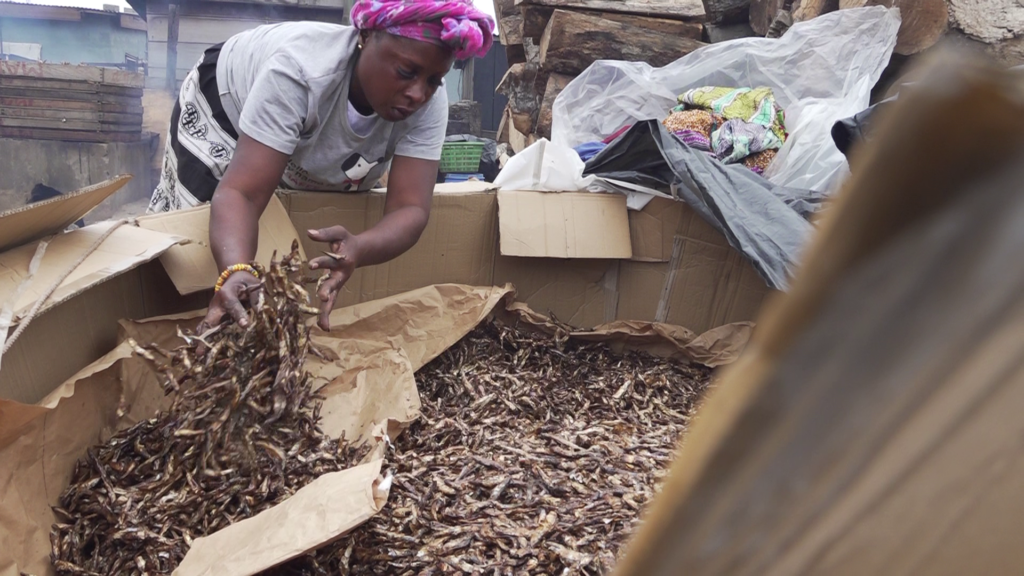
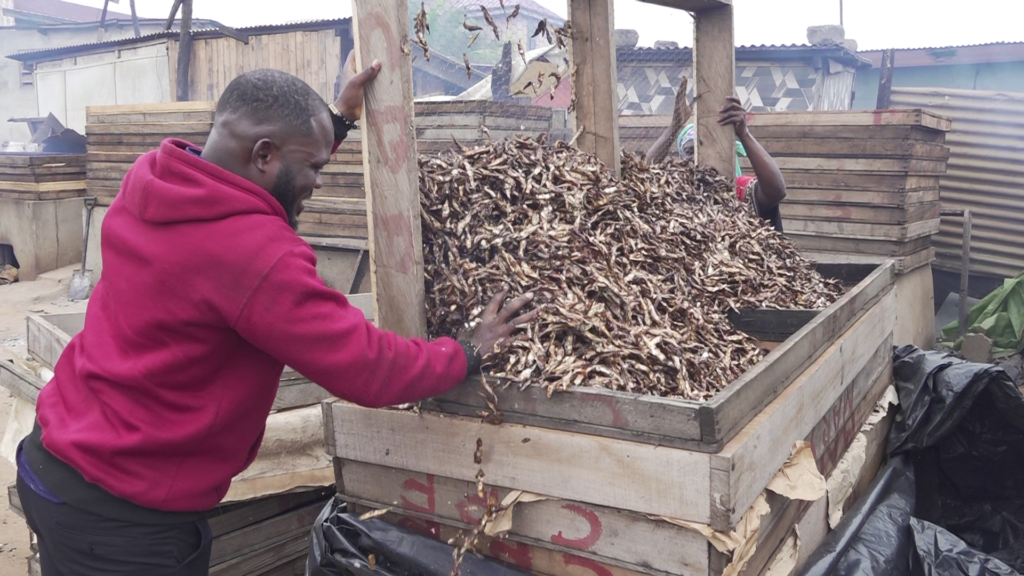
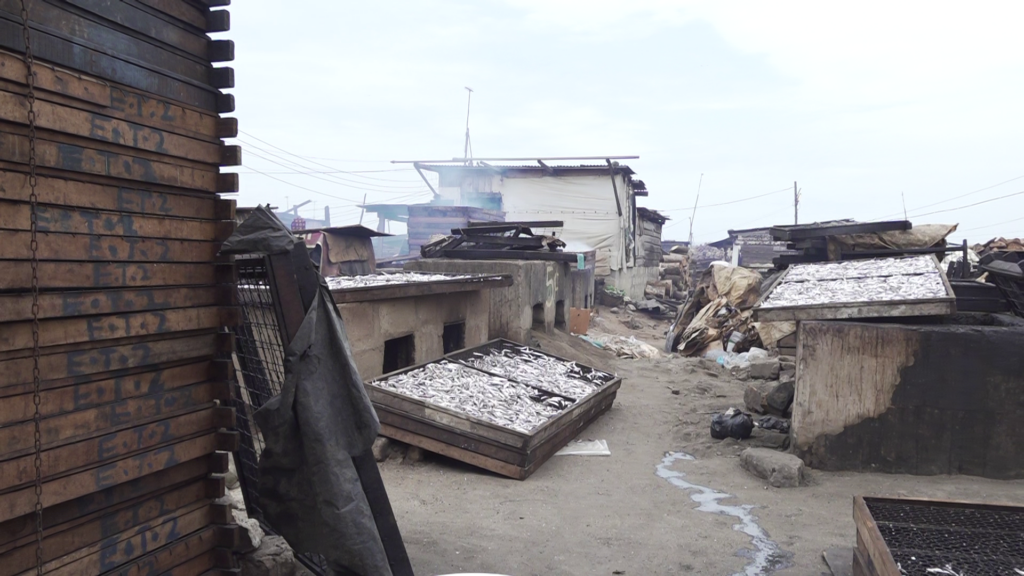
I have come to a fishmongering hub in Chorkor to see how my favourite smoked herrings are made. The smoke closed in almost immediately, thick and heavy, stinging my eyes before I could even settle in. Within moments, they began to water uncontrollably, forcing me to blink through blurred vision as I tried to adjust. My chest tightened with each breath, and instinctively, I stepped back, wiping tears and struggling to stay in a space the body clearly rejects.
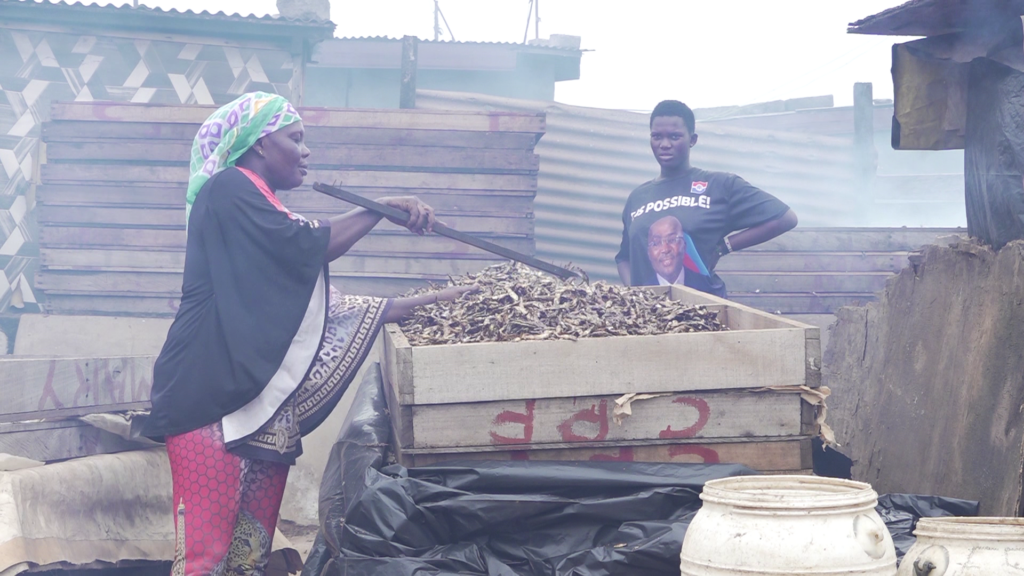
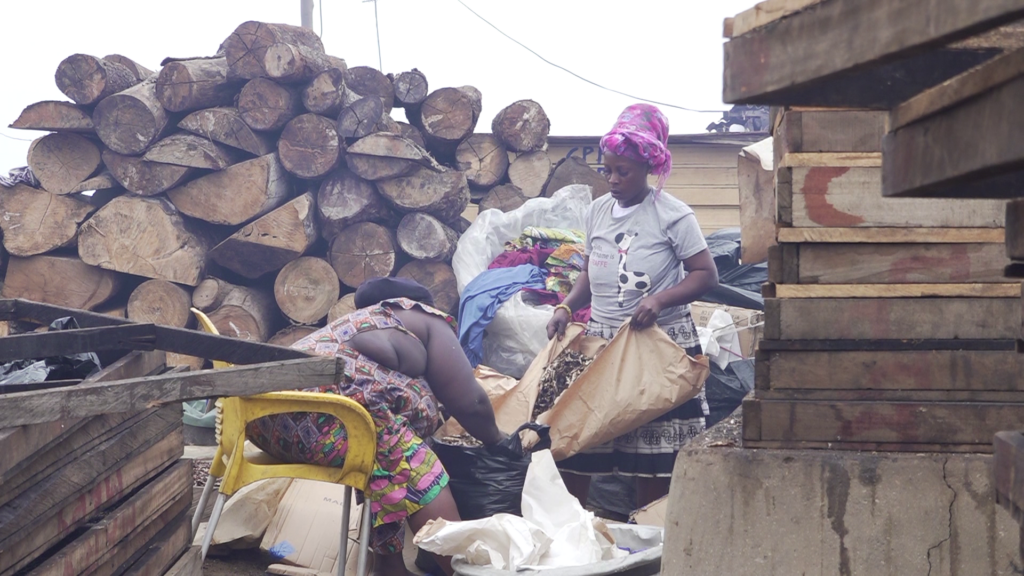
Yet just ahead of me, the work continued - steady, uninterrupted, almost indifferent to the conditions. Women stood over smoking ovens, turning fish, feeding firewood into flames, and moving with a rhythm that suggested long familiarity.
What felt overwhelming to me was routine to them, something they endure for hours each day without pause. In that moment, the contrast became clear: this is not an occasional exposure, but a constant reality.
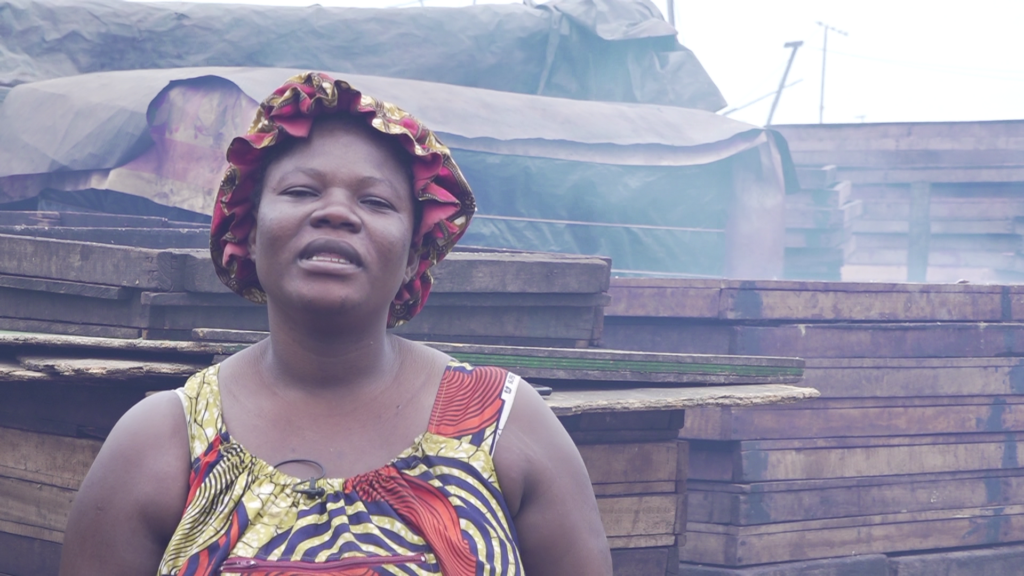
At the centre of this haze is 27-year-old Doris Mensah, carefully spreading fresh herrings across a wire mesh. Her face is partially swallowed by smoke, her eyes slightly reddened, but her hands remain steady and precise. This is not simply work she learned over time; it is a trade passed down through generations of her family. For Doris, fish smoking is both livelihood and legacy.
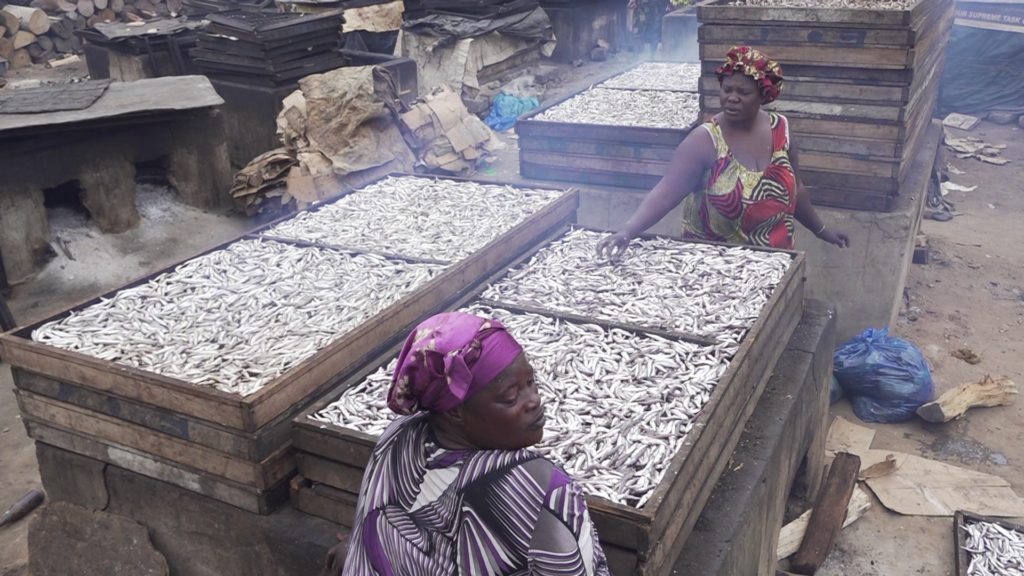
“I was born into this fish processing business. My great-grandmother started it, my grandmother continued, and my mother too. In fact, my entire family depends on this work. Through this business, I have been through school,” she said.
But that system is beginning to show its cost.
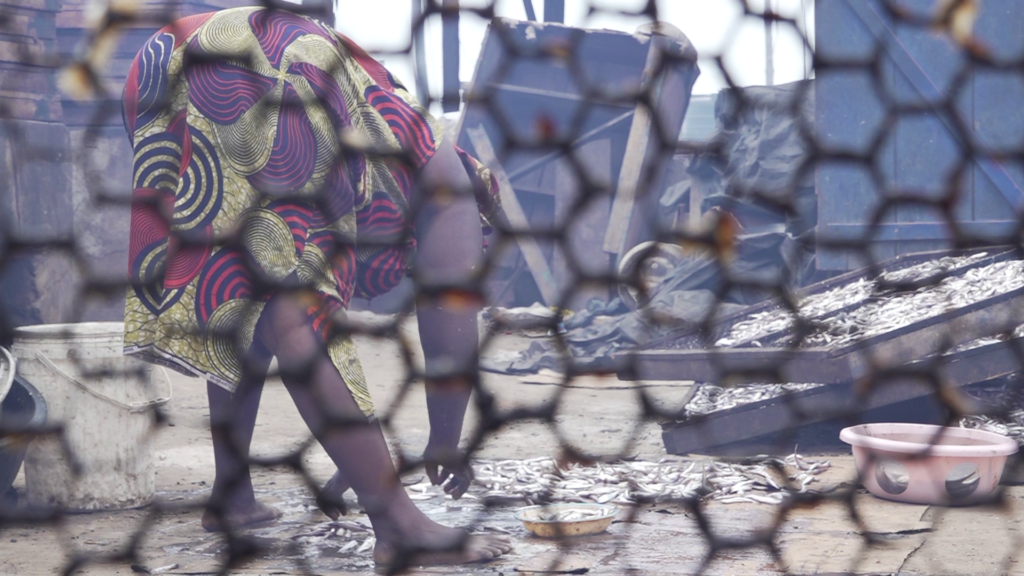
Doris says the smoke is now one of the biggest burdens of the trade. It does not only affect them while they work; it follows them long after they leave the ovens.
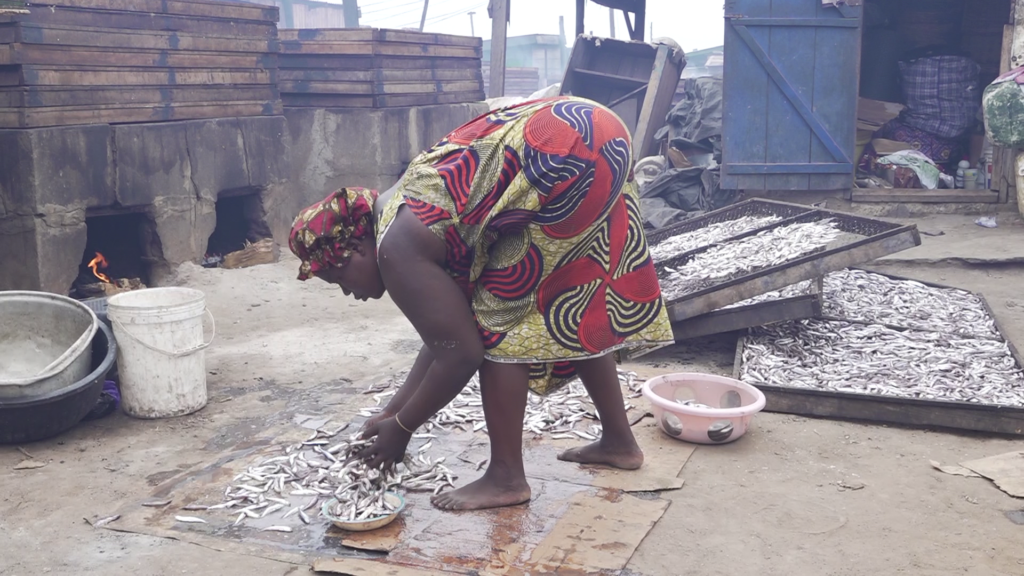
“The smoke is a serious concern. It enters our eyes, causes irritation, and sometimes we even have sleepless nights because of it,” she added.
A few steps away, her grandmother, Mantee, crouches beside an oven, pushing firewood deeper into the flames. The fire responds instantly, sending another thick wave of smoke into the air around her. Her eyes are red and teary, but she continues working with practised ease. Years of exposure have not removed the effect, only forced her to live with it.
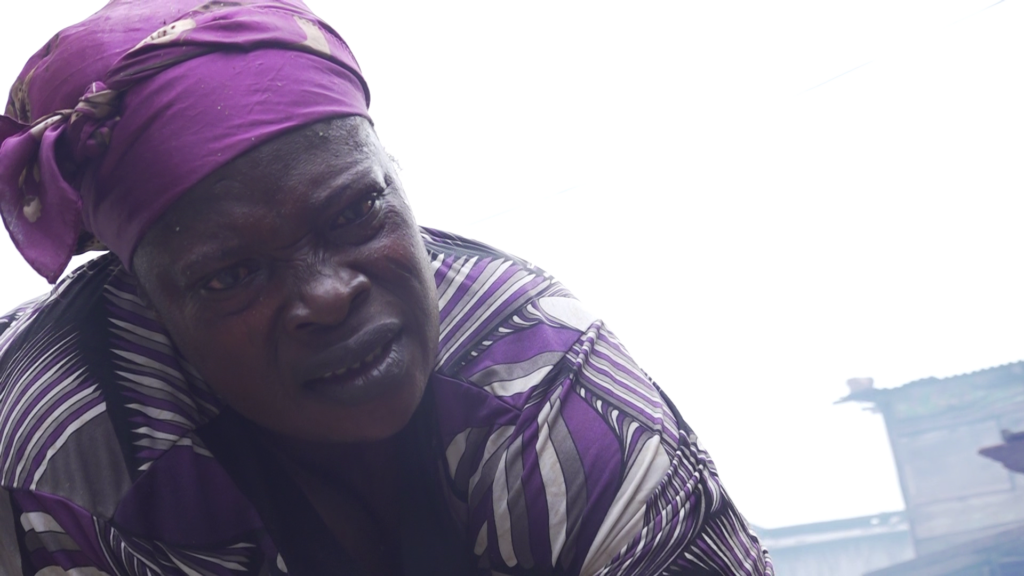
“The smoke really affects our eyes. It burns and makes them tear. When we go to the hospital, doctors tell us it is because of the smoke,” Mantee indicated.
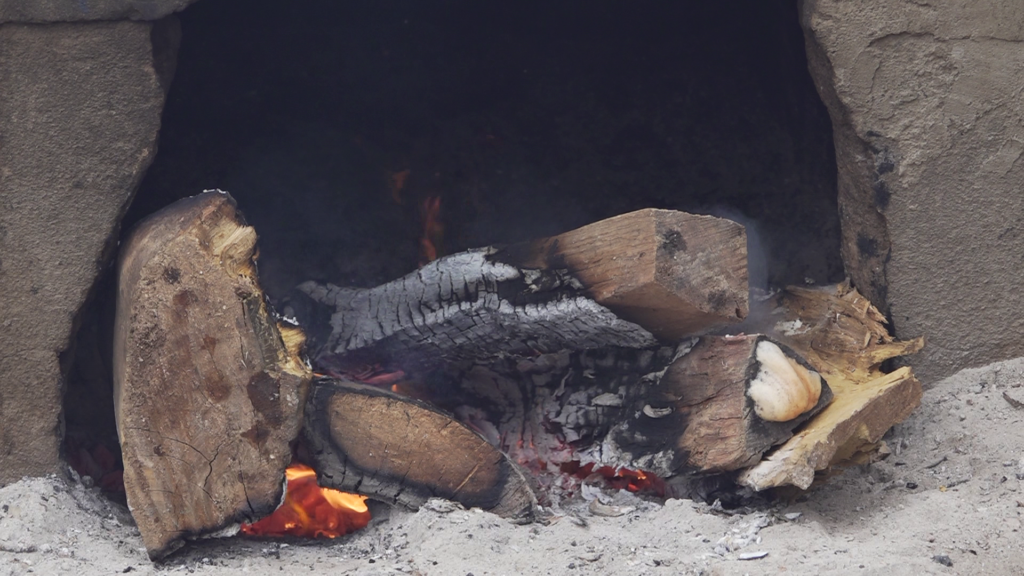
What rises from these ovens is more than just smoke. It carries fine particulate matter and toxic compounds produced from the incomplete burning of firewood. Some of these substances are known to be harmful, with links to serious health conditions, including cancer. In Chorkor, exposure is not occasional; it is repeated, prolonged, and unavoidable.
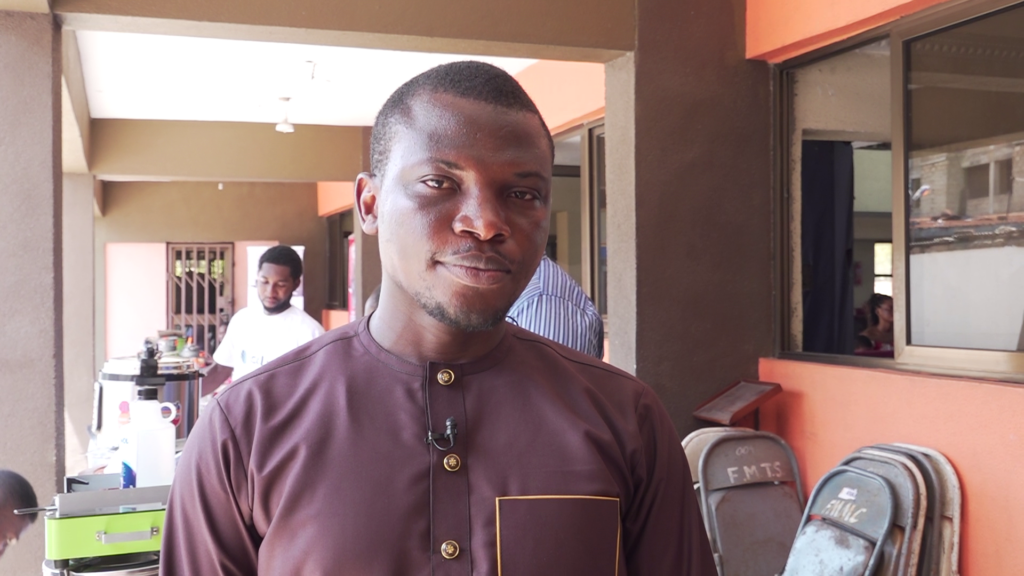
A paediatrician at the Korle Bu Teaching Hospital, Dr Richard Bright Danyoh, says the danger is far more serious than many realise.
“Whilst you are smoking that fish, you are taking in two packs of cigarettes every day. Now think about it. This is for you, an adult. What about the child whose lungs breathe faster? That child takes in more of the smoke, and it affects that child more,” he said.
He says the health implications go beyond red eyes, coughing or chest discomfort.
The paediatrician further said, “This is not just an environment and energy problem. It goes beyond that. From the health angle, we need to look at it seriously. It is actually a health crisis.”
For women, especially those of childbearing age, Dr Danyoh warns that the danger may be hidden in ways that are not immediately traced back to smoke exposure. He says some pregnancy complications may have roots in everyday exposure to polluted household or workplace air.
“Sometimes you have a mother who comes in with a low birth weight baby, and you are not sure what could have caused it,” he says. “It might be happening from the kitchen,” Dr Danyoh added.
But the issue extends beyond human health.
To keep the ovens burning, large quantities of firewood are cut, transported and consumed every day. This continuous demand feeds an industry that depends entirely on it. Over time, it contributes to deforestation and worsening air pollution, adding pressure to already strained environmental systems.

Senior Lecturer in Human Geography at the University of Ghana, Prof Ebenezer Forkuo Amankwaa, explains that the smoke released into the air does not remain confined to Chorkor.
“The smoke that we see is just pollutants in the air,” he says. “Once these pollutants are emitted into the atmosphere, they affect the ozone layer because they are poisonous and toxic.”
He says once the ozone layer is affected, the consequences are no longer local.
“There is global warming because the layer that is supposed to protect and shield the planet from the intensity of the heat is affected. Once there is global warming, there is melting of the ice caps and glaciers, and that produces extreme weather events, including sea level rise and flooding,” he explained.
Yet for the women here, the choice is not between clean air and pollution.
Doris makes it clear that they understand the environmental and health risks. However, she explains that the continued use of firewood is driven by necessity, not ignorance. Firewood produces a specific quality in the fish, giving it a reddish colour and a taste that customers expect.
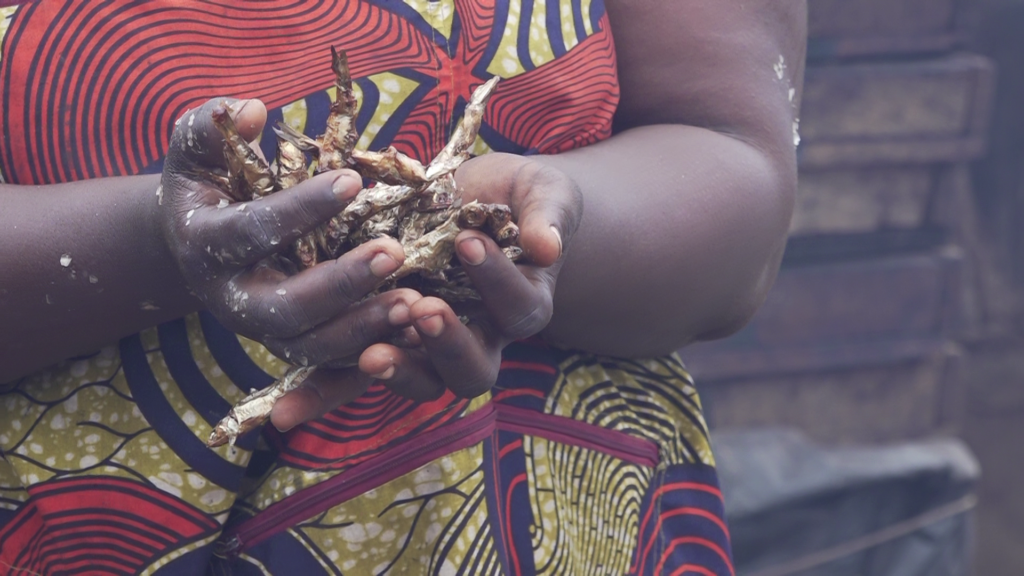
That single difference can determine whether the fish sells or remains on the tray. For women whose livelihoods depend on daily sales, taste and colour are not small details. They are the difference between income and loss.
Stella Abbey, another fishmonger, said previous attempts to introduce gas did not work because the technology failed the trade.
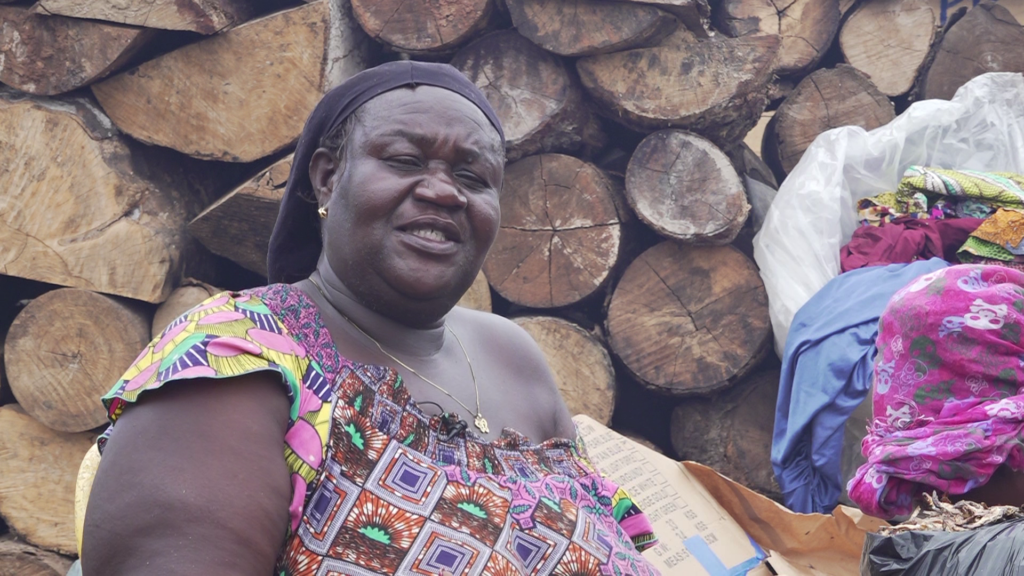
“They brought gas, but we couldn’t use it,” she says. “You can’t use gas to dry the fish. So we don’t want it,” she recalled.
For experts, this is not resistance to change. It is a design problem.
Prof Amankwaa says any intervention must respect the reality of the women’s livelihood.
“We cannot ask them to stop smoking the fish if we don’t provide alternatives. Those alternatives have to be cheaper, accessible and affordable. The source of energy must be friendly, and it should be earth-friendly,” he said.
He says the solution must also preserve what makes the product marketable.
“In terms of the taste, the flavour, the golden colour, we can solve it through the kind of clean cooking stove technologies that we have. It is about balancing their livelihood activity in a way that whatever solution you are providing is able to accommodate their work,” he further said.
Dr Danyoh agrees that clean cooking technology must be designed around people’s real lives, not imposed from outside. He says more research is needed to produce systems that reduce cost, preserve taste, and still cut exposure to harmful smoke.
“A lot of research has to be done into how to provide technology that reduces cost, takes care of the culture and taste, and incorporates people’s preferences. The benefits of moving to clean energy, LPG, cook stoves and other clean biomasses are important, and we need to talk about them. We need to embrace the new change,” he reiterated.
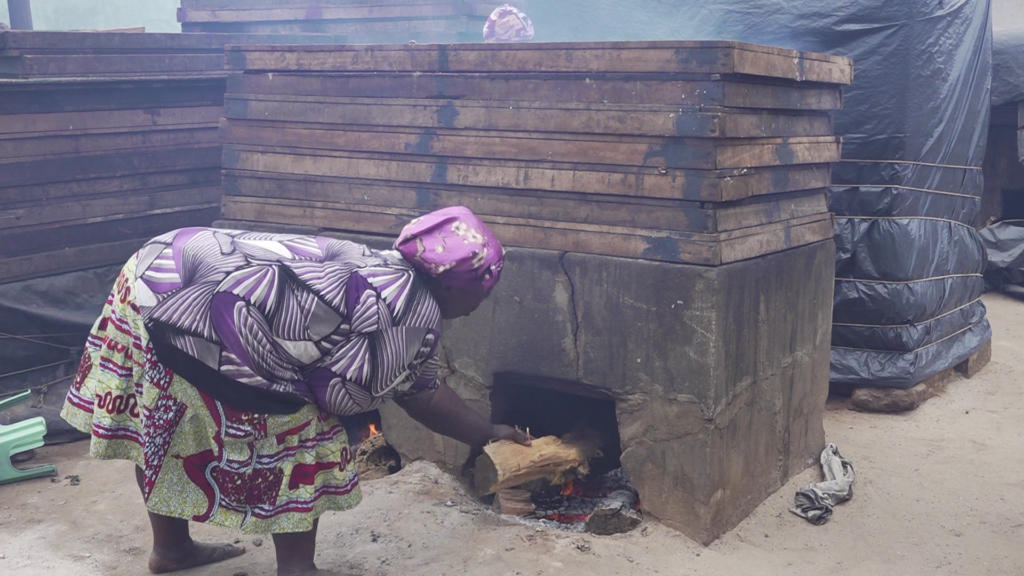
Back at the ovens, Mantee pauses briefly, her voice steady but firm. She explains that this work is their only source of income and that stopping is not an option.
“This is our livelihood; we cannot stop,” she said. “If the government can provide an alternative that works like firewood, we are ready.”
Doris echoes that position. She is not asking for sympathy. She wants technology that works for the market, protects their health, and allows them to continue a trade that has sustained her family for generations. “If the stoves can be improved, we will use them,” she intimated.
A call for technology that works. A shift that protects livelihoods without harming health. And a future where feeding families does not come at the cost of smoke.
-
This story is brought to you by JoyNews in partnership with the Climate and Development Knowledge Network (CDKN) and the University of Ghana Centre for Climate Change and Sustainability Studies, Legon, with funding from CLARE R4I Opportunities Fund.
Latest Stories
-
Mahama urges judges to uphold impartiality in all cases including politically sensitive ones
6 seconds -
Mass exodus hits Category C and D schools as heads scout for students at Kumasi centre
9 minutes -
Photos: Jama, chants and school pride as NSMQ 2026 grand finale heats up
11 minutes -
Supreme Court oath is ‘consequential, not ceremonial’ – Mahama tells new justices
14 minutes -
ATLF2026: Tourism industry players honoured at event in Limpopo, South Africa
15 minutes -
Obuasi SecTech closure leaves newly placed students in limbo as Adansi group demands reopening
15 minutes -
Livestream: NSMQ 2026 Grand Finale, PRESEC, AUGUSCO and Accra Academy battle for national glory
20 minutes -
Best Assurance donates GH¢100,000 to GETFund to support education
24 minutes -
Uphold Constitution, administer justice without fear or favour – Mahama to new Justices
32 minutes -
Mahama urges Supreme Court justices to protect public trust in judiciary
33 minutes -
Dumelo wishes NSMQ finalists well ahead of contest
39 minutes -
Let your reasoning and fairness define your legacy – Mahama to new justices
41 minutes -
Mahama charges new Supreme Court justices to protect judicial independence
51 minutes -
Mahama swears in three new Supreme Court justices
56 minutes -
TUC calls for urgent review of Labour Act to strengthen workers’ rights
1 hour