

Audio By Carbonatix
Director-General of the National Development Planning Commission (NDPC), Audrey Smock Amoah, has called for stronger coordination, sustainable financing and greater institutional accountability to advance Ghana’s human capital development agenda.
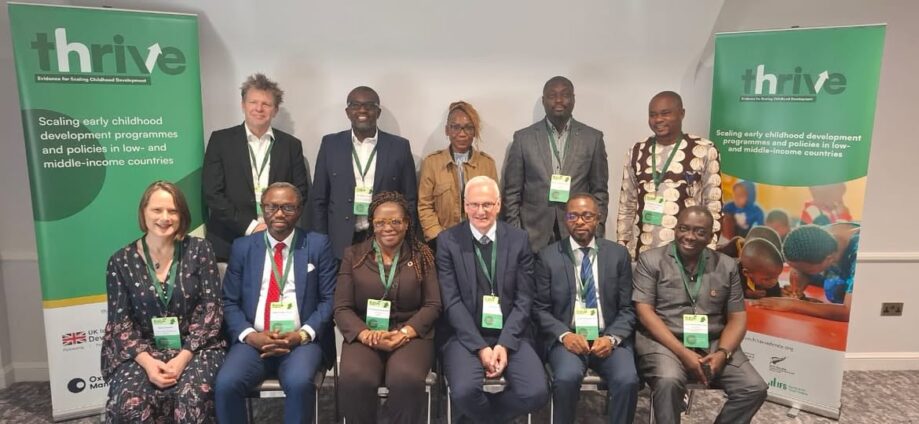
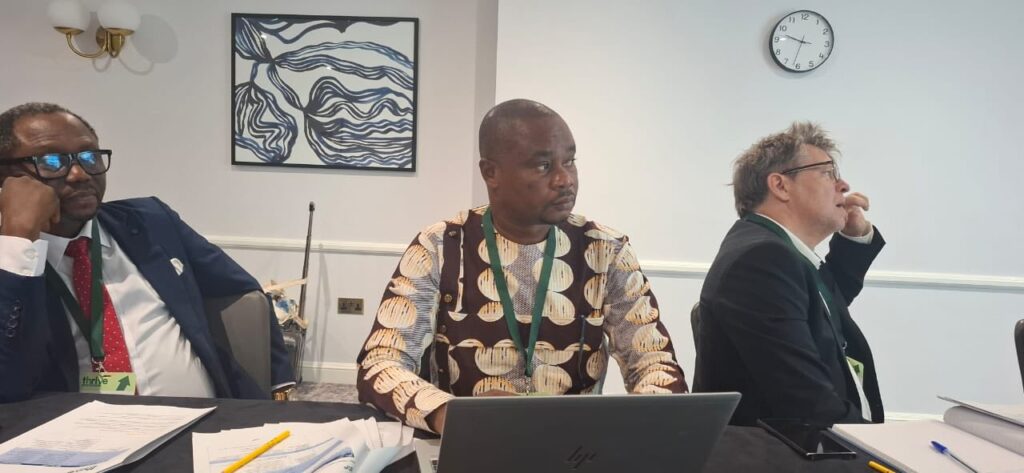
Speaking at a high-level policy dialogue on Early Childhood Care and Development (ECCD) and Human Capital Development held at the Saïd Business School on May 19, 2026, Dr Amoah stressed that Ghana’s future development depends on how effectively the country invests in its people through integrated planning and implementation systems.
The dialogue, organised by Oxford Policy Management with support from the Foreign, Commonwealth and Development Office (FCDO) of the United Kingdom, brought together policymakers, development practitioners and technical experts to discuss strategies for coordinated human capital development.
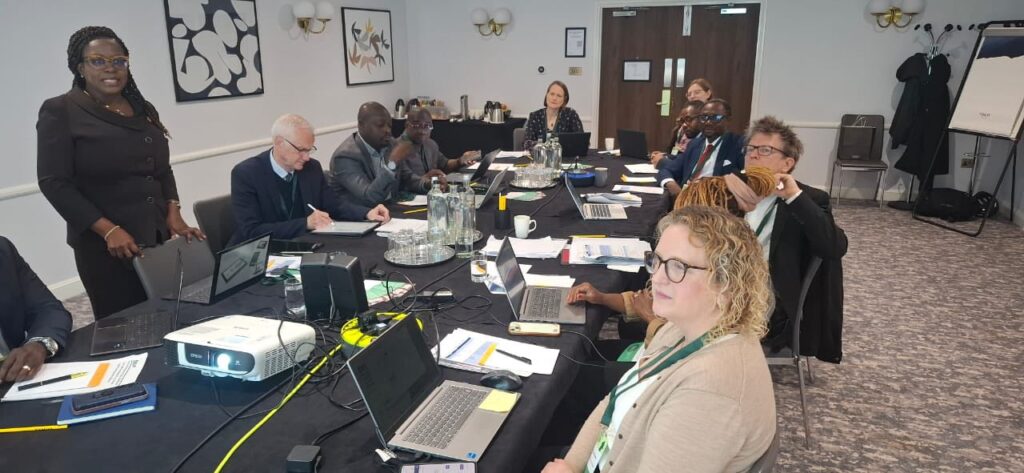
Delivering a presentation on the theme, *“Ghana’s Human Capital Development Agenda: From Policy Ambition to Coordinated Implementation and Practical Action,”* Dr Amoah described human capital as “the infrastructure of national transformation”.
According to her, healthy, skilled and productive citizens remain essential for economic growth, resilience and social inclusion.
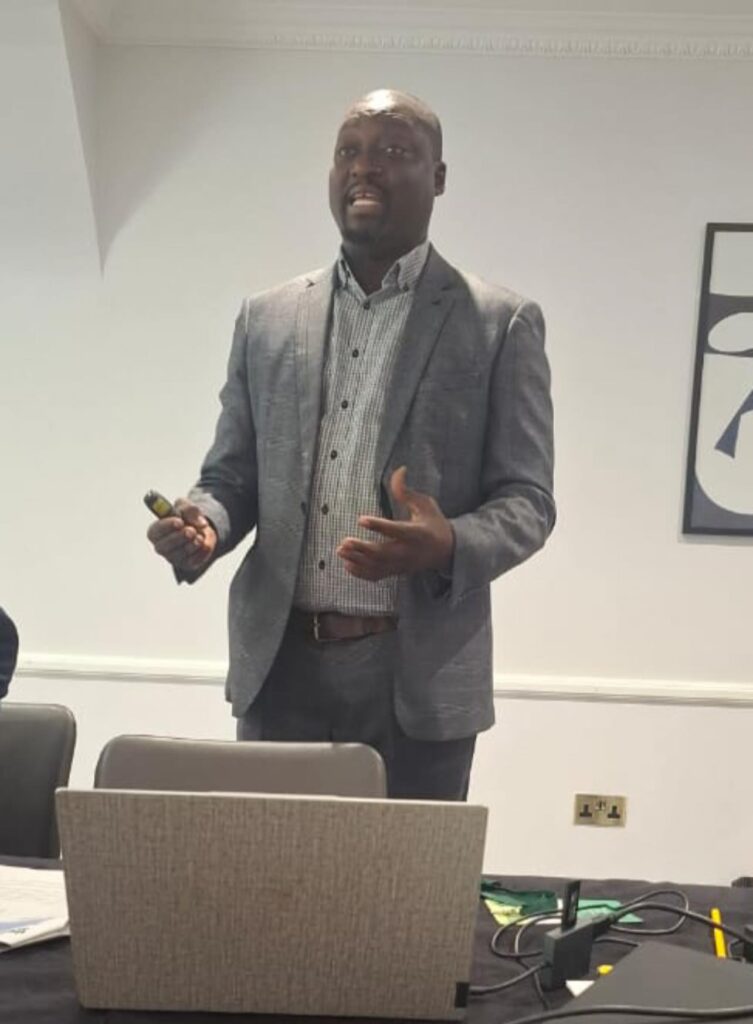
“The Human Capital Development Strategy is not merely a social sector document; it is fundamentally a growth, productivity and inclusion strategy,” she stated.
Dr Amoah explained that the Human Capital Development Strategy (HCDS) was designed to align Ghana’s long-term development aspirations with practical implementation across sectors and levels of governance.
She noted that the strategy fits within Ghana’s broader planning architecture, including the Coordinated Programme of Economic and Social Development Policies (CPESDP) 2025–2029 and the Medium-Term National Development Policy Framework (MTNDPF) 2026–2029.
“The HCDS translates Ghana’s long-term ambition into a coordinated people-centred development agenda,” she emphasised.
She further identified six key enabling factors necessary for the successful implementation of the agenda, namely coordination and leadership, data and monitoring systems, financing alignment, institutional incentives, political economy management and sustained cross-sector collaboration.
As part of a proposed implementation roadmap, Dr Amoah outlined a 12-month action agenda which includes updating the draft Human Capital Development Strategy, mapping financing flows across sectors, developing accountability and coordination frameworks, agreeing on common indicators and piloting integrated ECCD planning in selected districts.
She urged stakeholders to ensure that discussions and recommendations emerging from the Oxford dialogue are translated into practical national action.
The Director-General was accompanied to the event by Peter Francis Xavier Porekuu, Chief Analyst, and Stephen Ampem-Darko, Principal Planning Analyst.
Latest Stories
-
Government support for the arts industry is not enough — Aewura Arts
22 minutes -
Art can be lucrative, but have a side hustle – Aewura Arts to fellow artists
32 minutes -
No two-phone law – GRA clarifies Customs rules for travellers
32 minutes -
My parents opposed my decision to pursue art – Aewura Arts
44 minutes -
IShowSpeed’s manager said my artwork was one of the best he received on tour — Aewura Arts
54 minutes -
Chief of Staff directs ecological restoration of reclaimed Kpeshie Lagoon
60 minutes -
Driver convicted over concrete spill on Madina-Adenta Highway
1 hour -
Photos: Prospective homeowners turn up in numbers for final day of JoyNews–Republic Bank Habitat Fair
1 hour -
Aggrieved teachers demand payment of unpaid four-year legacy arrears
2 hours -
Skipping breakfast bad for your health?
2 hours -
Kpeshie Lagoon reclamation linked to first-ever flooding at Tse Addo – ISD
2 hours -
GRA announces major policy proposal under Modified Taxation Scheme initiative
2 hours -
TCL sues Samsung for false advertising over ‘Mini LED’ televisions
2 hours -
US embassy child abuse images suspect flown from UK before police interview
3 hours -
Payment dispute led to murder of Dr Jesse Amuah and wife at Asylum Down – Court told
3 hours