

Audio By Carbonatix
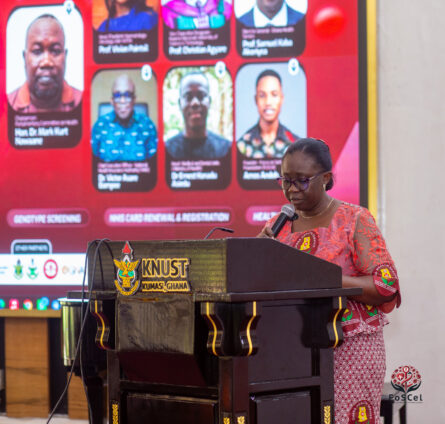
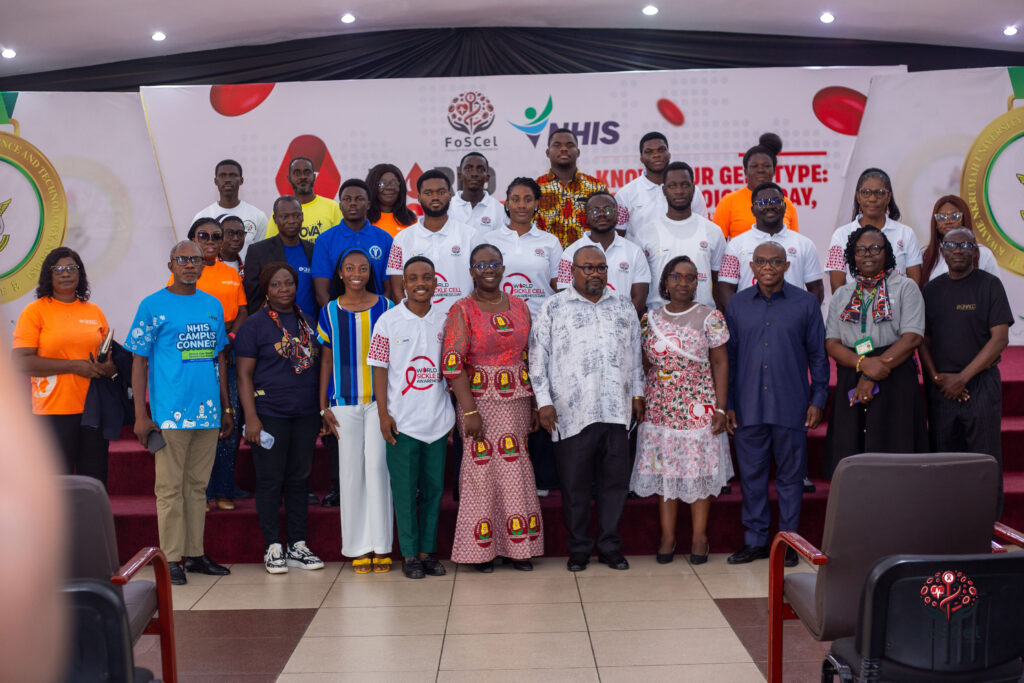
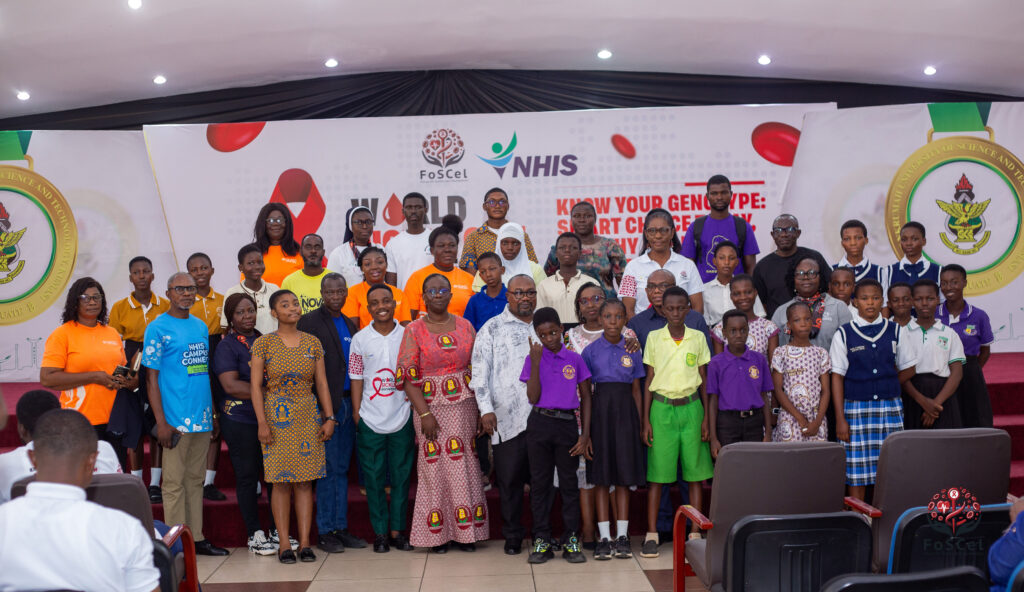
The Ghana Health Service (GHS) has renewed its call for intensified public education, expanded screening and stronger health system support for sickle cell disease, as Focus on Sickle-Cell Foundation (FoSCel), marked World Sickle Cell Awareness Day at the Great Hall of the Kwame Nkrumah University of Science and Technology (KNUST) on June 19.
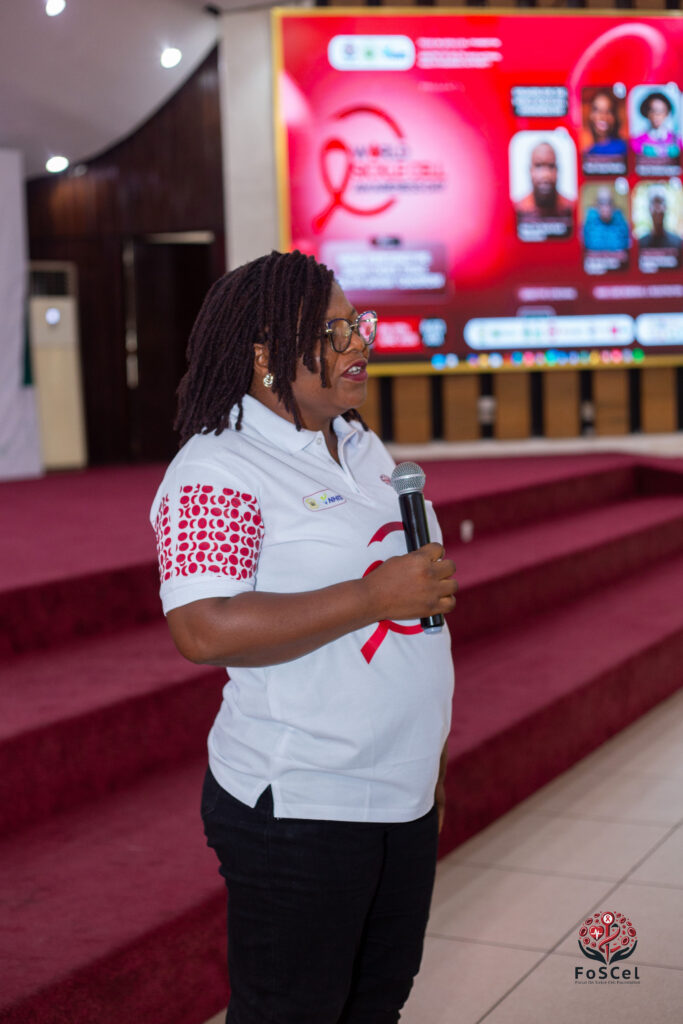
Speaking on behalf of the Director-General of the Ghana Health Service, Dr Samuel Kaba-Akoriyea, the Deputy Director of Public Health, Dr Akosua Gyimah Omari-Sasu, emphasised that improving awareness of sickle cell disease remains central to the Service’s public health strategy, particularly in a region that carries the highest global burden of the condition.

She described World Sickle Cell Day as an internationally recognised public health observance aimed at increasing understanding of the disease and highlighting the challenges faced by patients and their families.
The Deputy Director emphasised the importance of genotype awareness as a preventive health measure.
Dr Omari-Sasu urged Ghanaians to know their sickling status, whether SS, SC or other variants, stressing that informed choices are essential for building a healthier population.

“The theme: know your genotype, smart choice, healthy Ghana for tomorrow,” she said, describing genotype testing as “very timely” in efforts to reduce new cases and improve early management.
She explained that individuals who test positive for sickling status must undergo full genotype testing to ensure proper diagnosis and clinical follow-up.
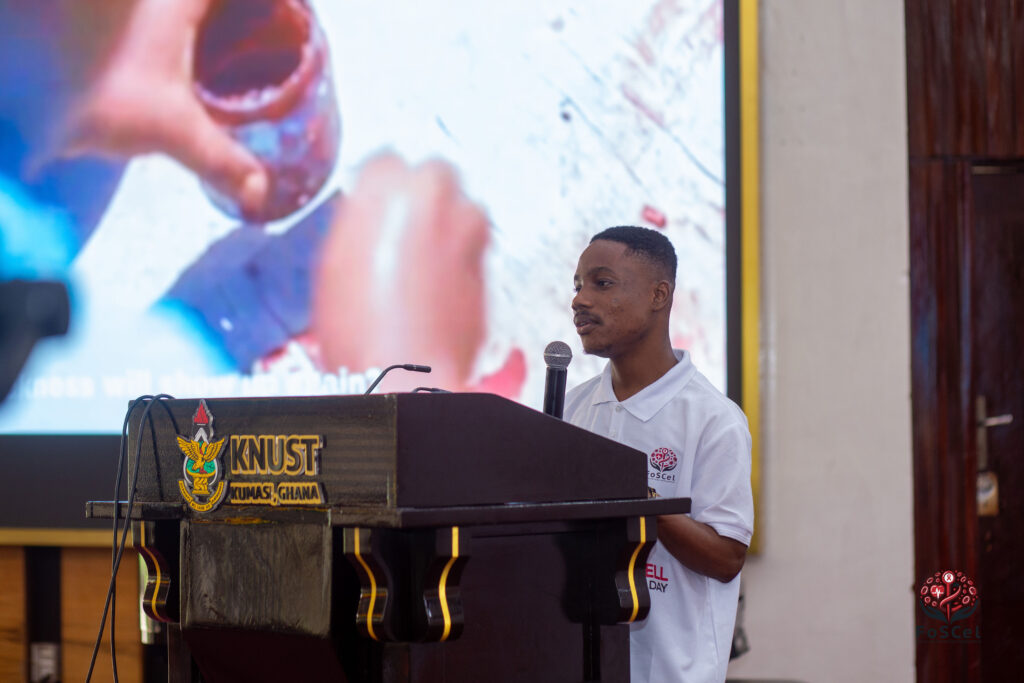
According to the Ghana Health Service, understanding sickle cell disease is critical because it promotes early screening, timely intervention and better disease management.
Dr Omari-Sasu noted that awareness encourages parents to have newborns tested, while also prompting individuals to check their own health status.
She stressed that early diagnosis can significantly reduce complications and prevent life-threatening crises commonly experienced by patients living with the condition.
“Do you know your status? Do you know your genotype?” she asked, reinforcing the Service’s call for personal responsibility in health awareness.
The GHS official also highlighted the need to address persistent myths surrounding sickle cell disease, which in some communities is wrongly believed to be either a curse or a contagious illness.

Dr Omari-Sasu said such misconceptions continue to fuel stigma and social exclusion, preventing families from seeking timely medical care and support.
She noted that increased public education would help communities better understand the condition, enabling affected individuals to live openly and without discrimination.
A major pillar of the Ghana Health Service’s response is its ongoing newborn screening programme, which officials say is essential for reducing childhood mortality and preventing irreversible organ damage.
Dr Omari-Sasu explained that infants are initially protected by high levels of foetal haemoglobin, meaning symptoms typically do not appear until around five months of age. This, she said, makes early testing critical.
She revealed that in Ghana, approximately 2% of babies are born with sickle cell traits, underscoring the need for universal screening across all health facilities.

The Service highlighted several interventions that can significantly improve outcomes when sickle cell disease is detected early.
These include penicillin prophylaxis, hydroxyurea treatment, organ protection strategies, and structured parental education to support crisis preparedness.
Dr Omari-Sasu stressed that early diagnosis enables health professionals to intervene before complications arise, improving both quality of life and life expectancy for patients.
The Ghana Health Service also used the occasion to reaffirm its commitment to strengthening healthcare delivery for sickle cell patients through improved infrastructure, training and access to care.
Dr Omari-Sasu said understanding the national burden of the disease would help drive investment in local testing facilities, specialist training and accessible treatment centres across the country.
She added that improved data and awareness would support government and health institutions in making more targeted interventions.

The GHS acknowledged the critical role of public-private partnerships and international collaborations in advancing sickle cell care in Ghana.
Key initiatives include the Novartis Ghana Public-Private Partnership, launched in 2019 by the Ministry of Health, Ghana Health Service and the Sickle Cell Foundation of Ghana.
The programme, supported by the National Health Insurance Scheme, has helped reduce treatment costs for families and establish specialised centres of excellence across regional capitals.

International partners, including the Clinton Health Access Initiative, have expanded newborn screening coverage, enabling the testing of thousands of infants nationwide.
The SickKids Centre for Global Child Health, in collaboration with the Kuala Lumpur Teaching Hospital, has also contributed to developing sustainable newborn screening systems.
While acknowledging progress made, the Ghana Health Service cautioned that more work is needed to fully address the burden of sickle cell disease.

Dr Omari-Sasu said continued public education is essential to ensure that every individual knows their sickling status and genotype, adding that stigma and discrimination must be eliminated.
She also called on health workers to continue delivering high-quality care, while urging educational institutions to provide adequate support for students living with the condition.
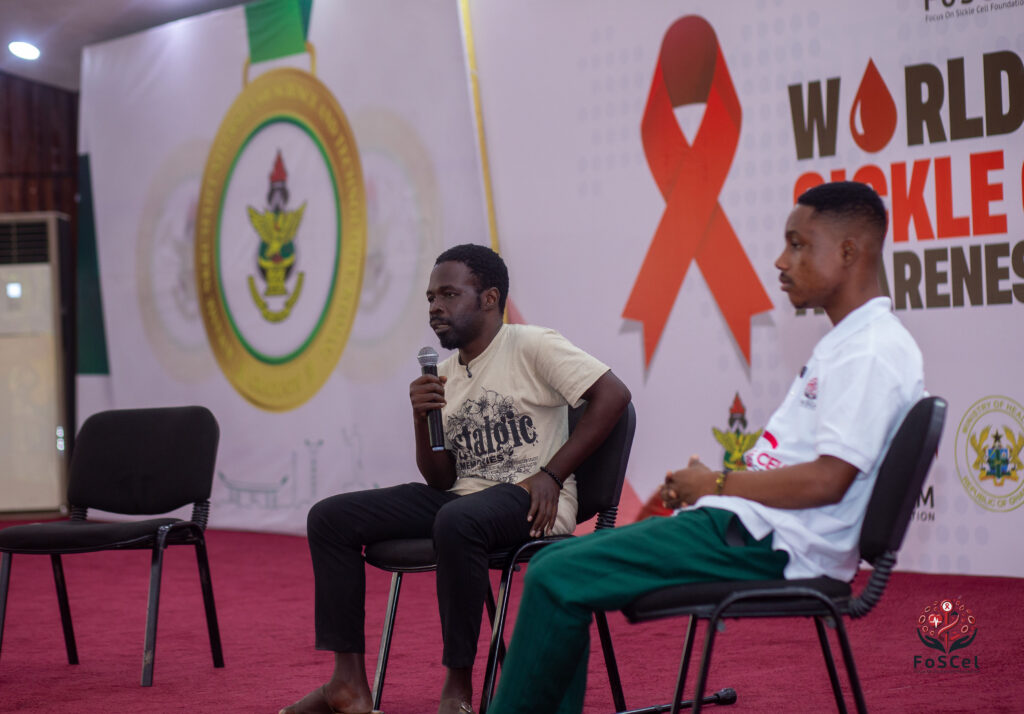
The GHS further commended the FoSCel for its ongoing advocacy and efforts in promoting genotype testing and awareness.
Dr Omari-Sasu concluded by urging collective action across government, health professionals, communities and development partners.

She said sustained collaboration would improve quality of life for patients and reduce the national burden of sickle cell disease.
“Let’s continue to support it and make use of the opportunities available,” she said. “Together, we can improve the quality of life for our sickle cell clients and reduce the burden of sickle cell disease.”
Latest Stories
-
Chief of Staff calls for stronger enforcement of motorcycle safety measures
18 minutes -
Peace Council urges Naaga residents to report extremist activities
19 minutes -
Ghana hosts Africa CDC regional meeting on strengthening health security
20 minutes -
MTN Ghana deepens sustainability drive with focus on waste, digital inclusion
21 minutes -
AMA deploys taskforce to clamp down on drivers charging unapproved fares
22 minutes -
House of Hope receives clothing donation for human trafficking survivors
23 minutes -
KNUST statutes review sparks tensions as some UTAG members threaten strike
24 minutes -
Poor website accessibility could exclude persons with disabilities from essential services
30 minutes -
Internet Society Ghana trains persons with disabilities on digital accessibility
33 minutes -
National Service Authority receives GH¢40m for basic military training
36 minutes -
Türkiye’s exports to Africa rise 12.6% to $13.3bn in seven months
2 hours -
Togo detains two French journalists and their Togolese fixer
2 hours -
Today’s Front pages: Thursday, August 20, 2026
2 hours -
GIPA, GUTA outline roadmap to protect informal retail space for Ghanaians
2 hours -
GIPA invites investors to maiden ‘Invest Ghana Summit’
2 hours