

Audio By Carbonatix
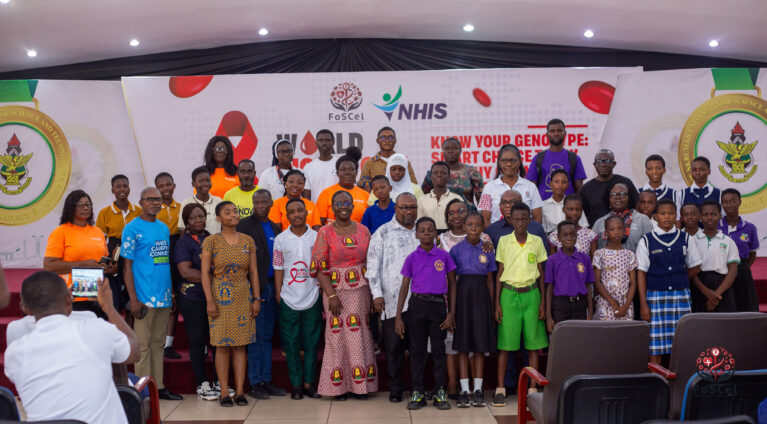
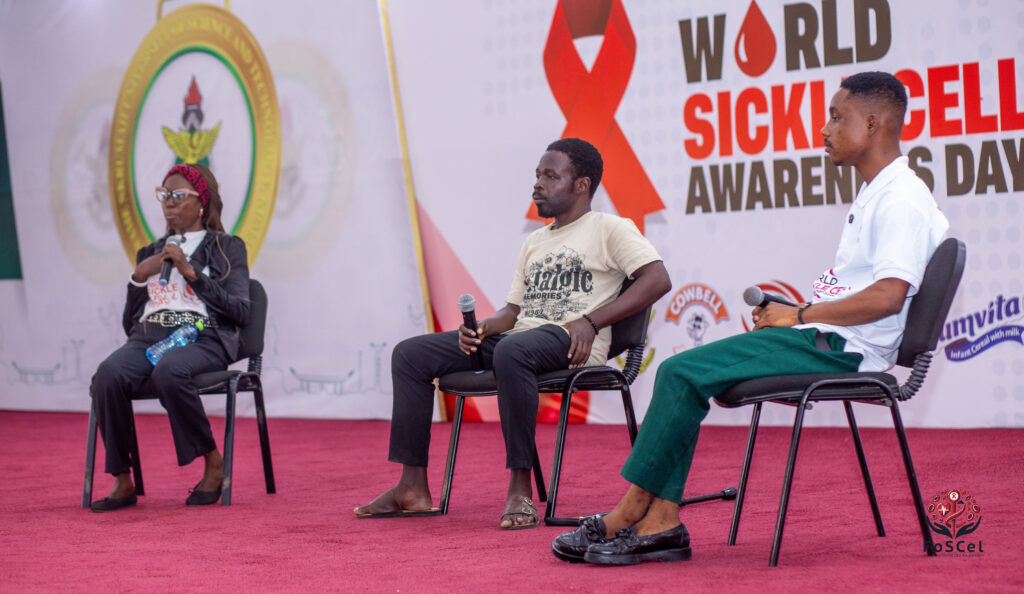
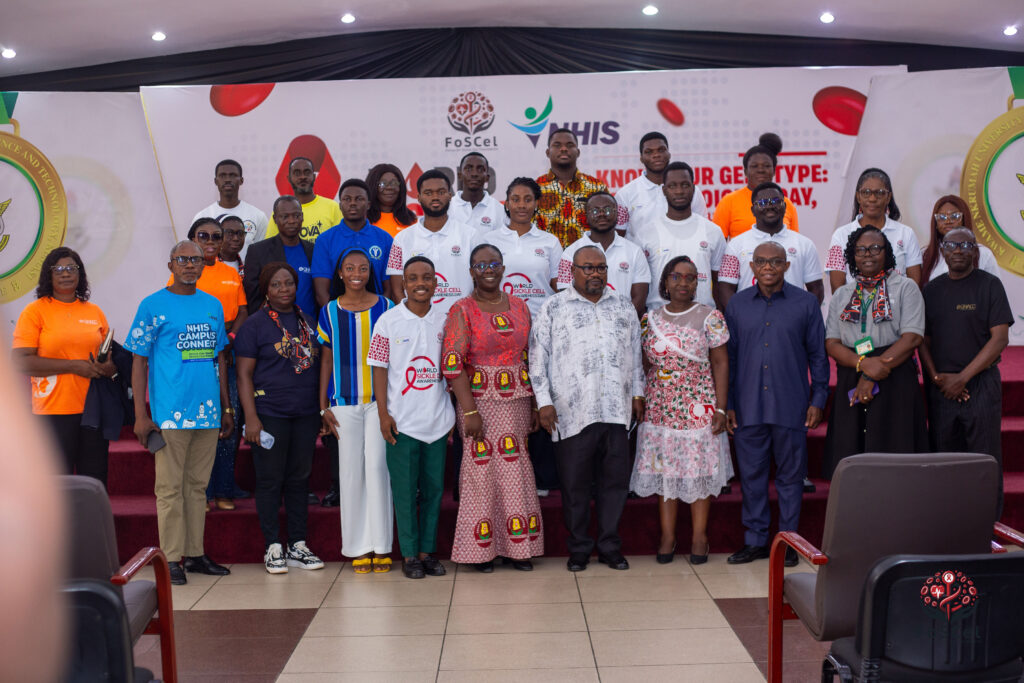
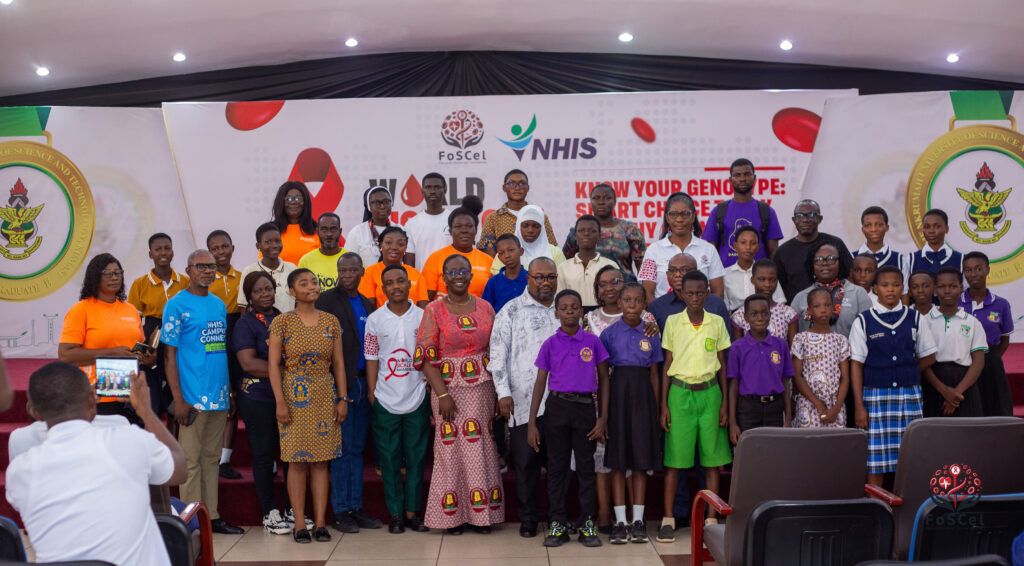
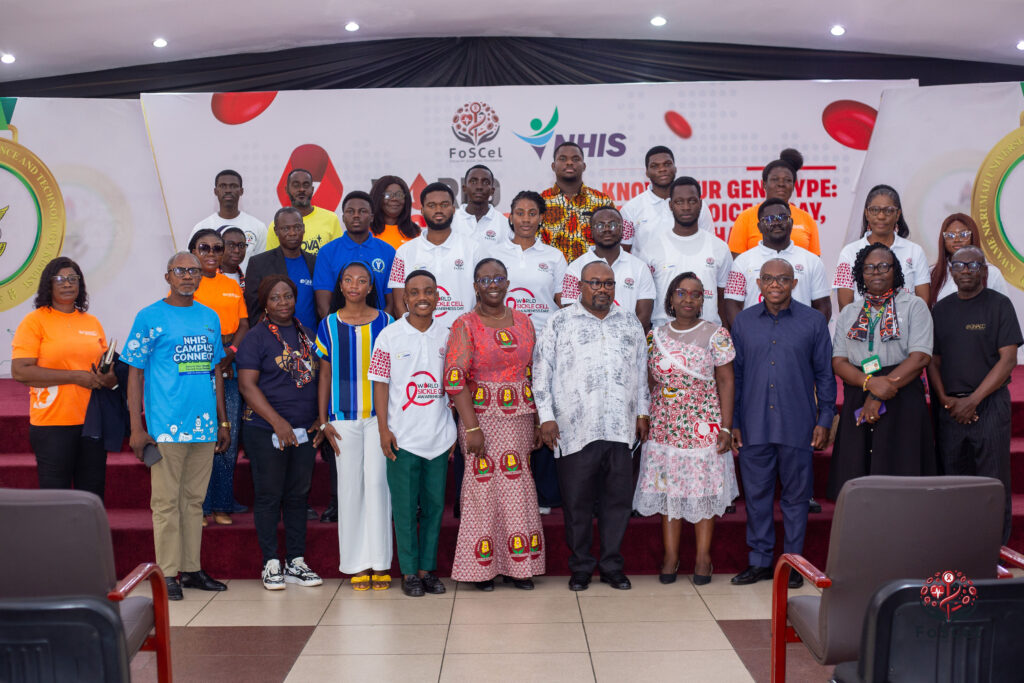
The Focus on Sickle-Cell Foundation (FoSCel) has led national commemorations of World Sickle Cell Awareness Day 2026 at the Kwame Nkrumah University of Science and Technology (KNUST), where policymakers, health professionals, students, and development partners renewed calls for intensified public education.
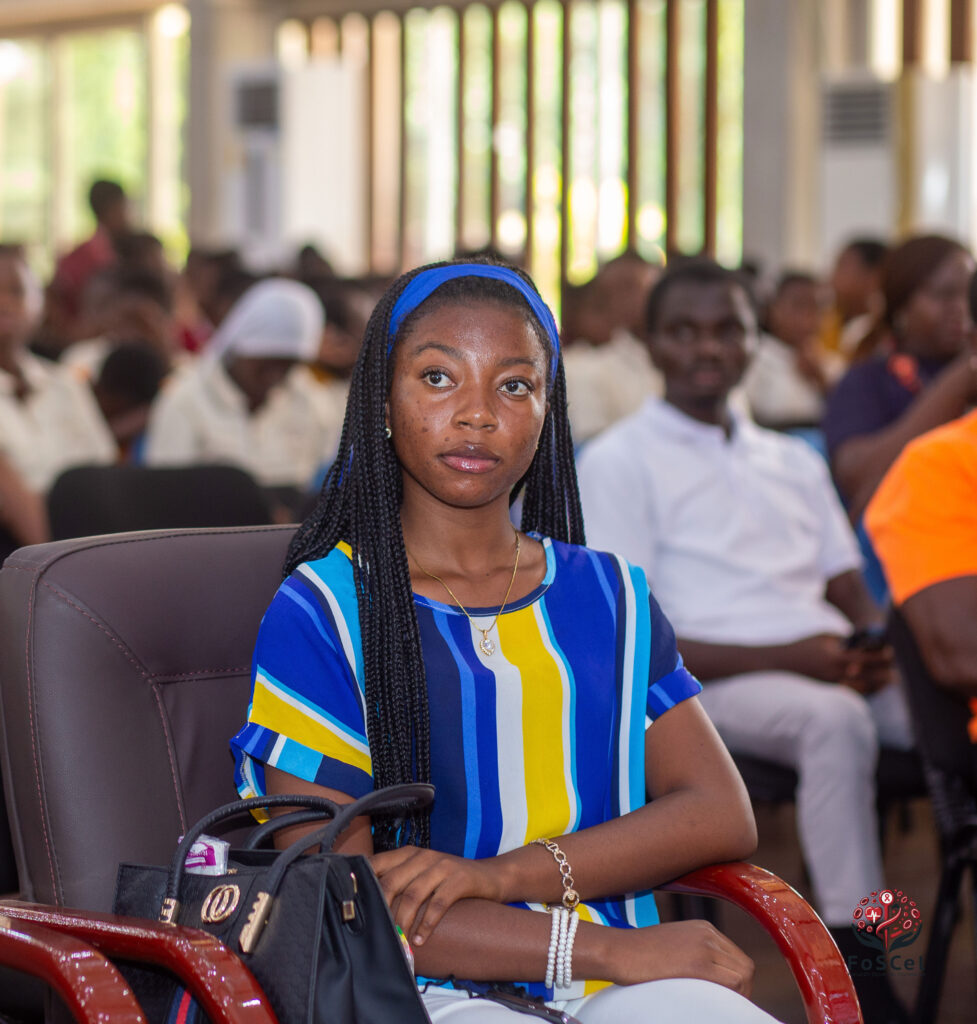
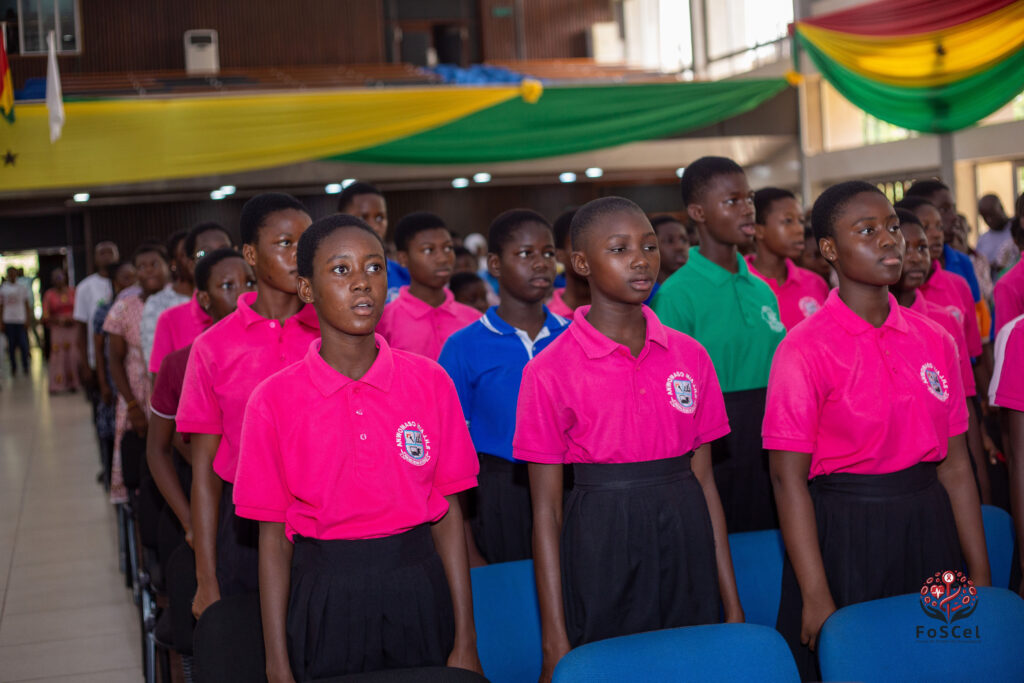
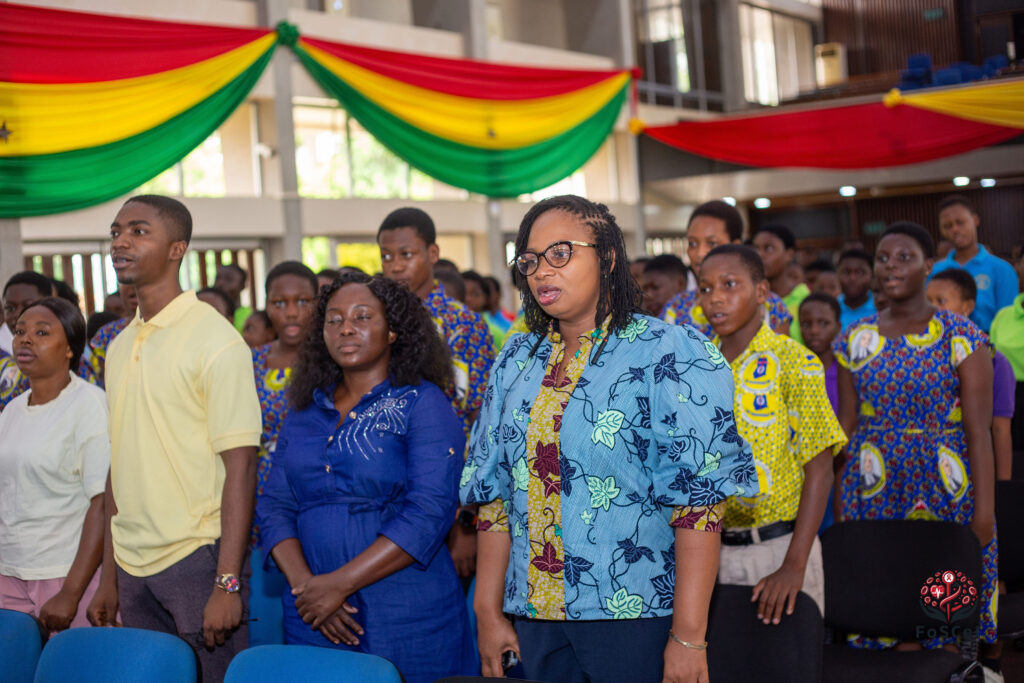
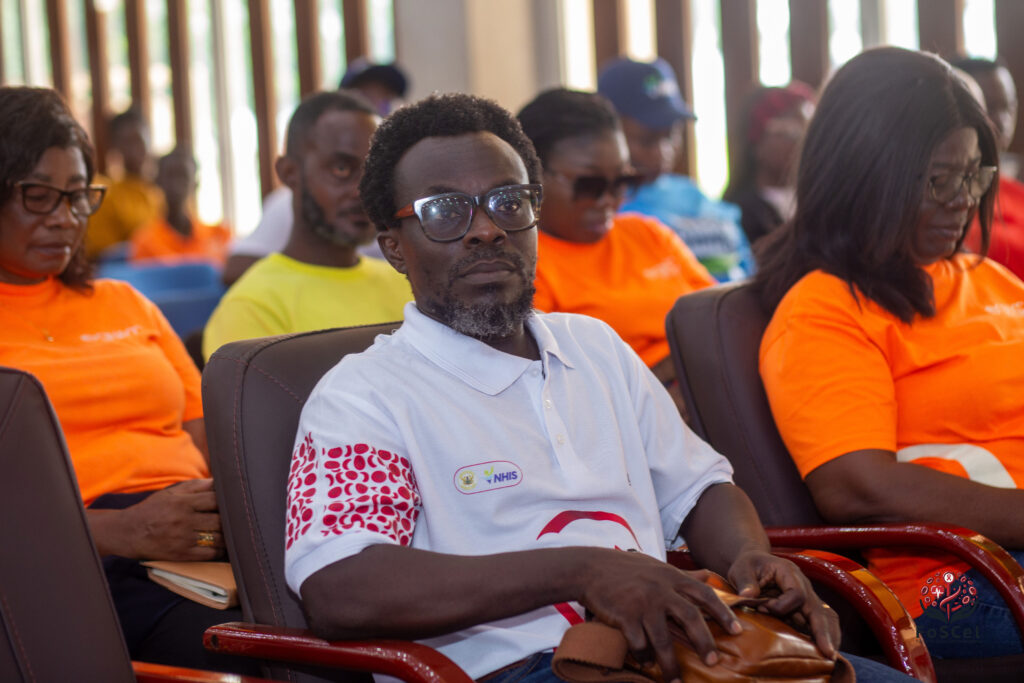
The national climax, held at the university’s Great Hall on June 19, brought together students from basic schools and senior high schools in Oforikrom, including KNUST Senior High School and Mancell Senior High School, in a deliberate effort to engage young people on prevention and informed reproductive health choices.

There were also calls for expanded genotype testing and improved access to care for persons living with sickle cell disease in Ghana.
Delivering the keynote address, the Vice-Chancellor designate of KNUST, Professor Christian Agyare, described sickle cell disease as a major public health challenge whose impact extends well beyond clinical settings.
He noted that the condition disrupts education, limits economic opportunities, strains family relations, and progressively diminishes the quality of life of affected families.
He stressed that addressing the disease requires more than goodwill, calling for sustained national commitment, stronger partnerships, and collective responsibility across sectors.
Professor Agyare underscored the central role of universities in addressing national challenges, stating that KNUST remains committed not only to academic excellence but also to research, innovation, and community engagement that deliver practical solutions.
According to him, higher education institutions play a critical role in training the next generation of health professionals, scientists, researchers, policymakers, and national leaders.
A significant portion of his remarks focused on young people, whom he urged to take responsibility for their future health decisions by knowing their genotype and seeking credible medical information before entering relationships or marriage.
“Know your genotype, smart choice today, healthy Ghana tomorrow,” he said, warning that ignorance about genetic compatibility continues to contribute to preventable cases of sickle cell disease.
He called for urgent reforms to expand access to genotype testing across the country, proposing a decentralised system that includes biomedical laboratories, diagnostic centres, and community pharmacies.
Such a move, he said, would reduce barriers to testing and enable more informed decision-making among young people.
Professor Agyare further urged stakeholders to move beyond awareness creation to concrete action, including early screening, equitable healthcare access, and strengthened support systems for patients.
He emphasised that bold policy interventions are required to protect and improve the lives of people living with sickle cell disease.
He expressed gratitude to the Ministry of Health, Ghana Health Service, National Health Insurance Authority (NHIA), healthcare workers, researchers, and development partners for their continued efforts in improving patient care and advancing national health goals.
“Today must be more than a moment of awareness. It must be a catalyst for action,” he stated, reaffirming KNUST’s commitment to using research and innovation to address pressing health challenges.
Professor Agyare described it as a profound honour for KNUST to host the landmark national event, which brought together policymakers, health experts, researchers, students, and civil society actors to strengthen advocacy on sickle cell disease.
The programme formed part of global commemorations marking World Sickle Cell Day, aimed at deepening public understanding of the genetic blood disorder and reinforcing advocacy for affected individuals and families.
He paid glowing tribute to the Focus on Sickle-Cell Foundation (FoSCel), commending its sustained commitment to awareness creation and patient support.
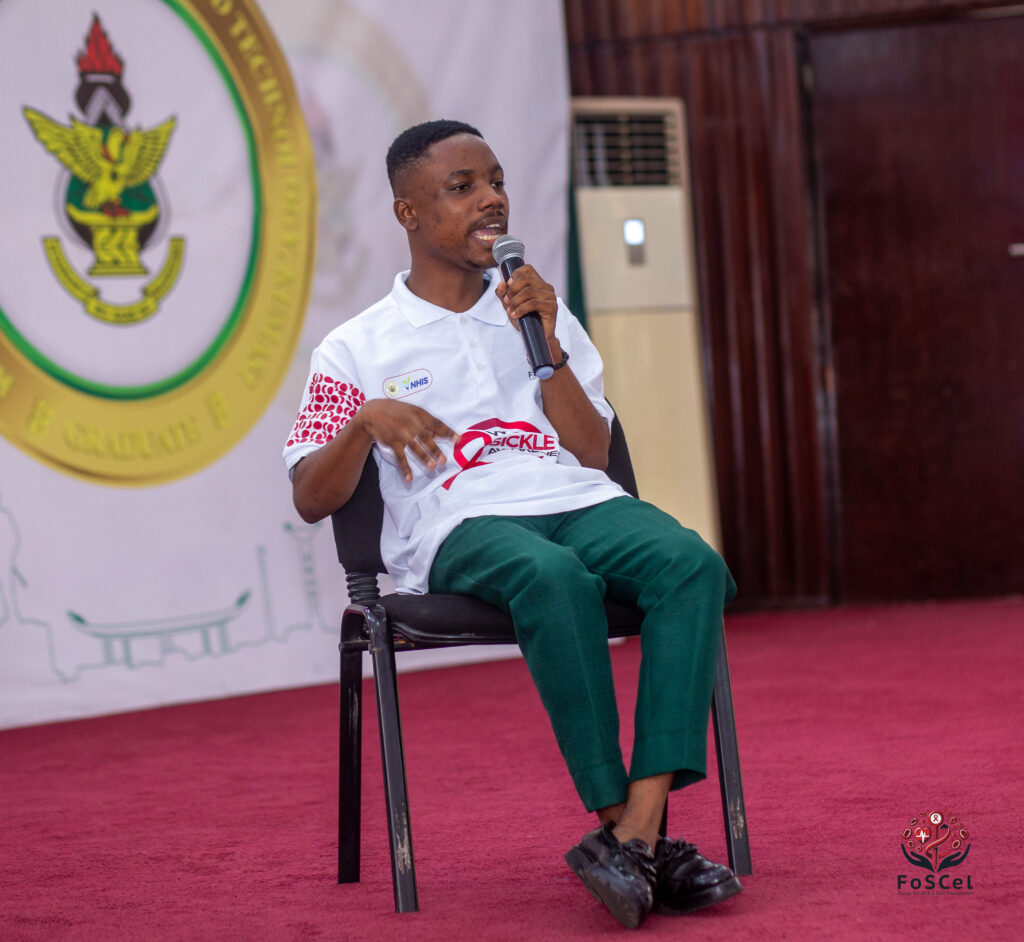
He noted that the foundation had evolved from a deeply personal initiative into a respected national platform uniting diverse stakeholders, including government institutions, academia, development partners, and civil society.

“When individuals and organisations unite behind a worthy cause, FoSCel stands as living proof of how transformative that commitment can be,” he said, adding that the foundation has significantly reshaped national conversations on sickle cell disease.
The Health Committee Chairman of Parliament and Member of Parliament for Nabdam, Dr Mark Kurt Nawaane, also expressed optimism that Ghana is moving towards fully free treatment for sickle cell disease as part of broader health sector reforms.
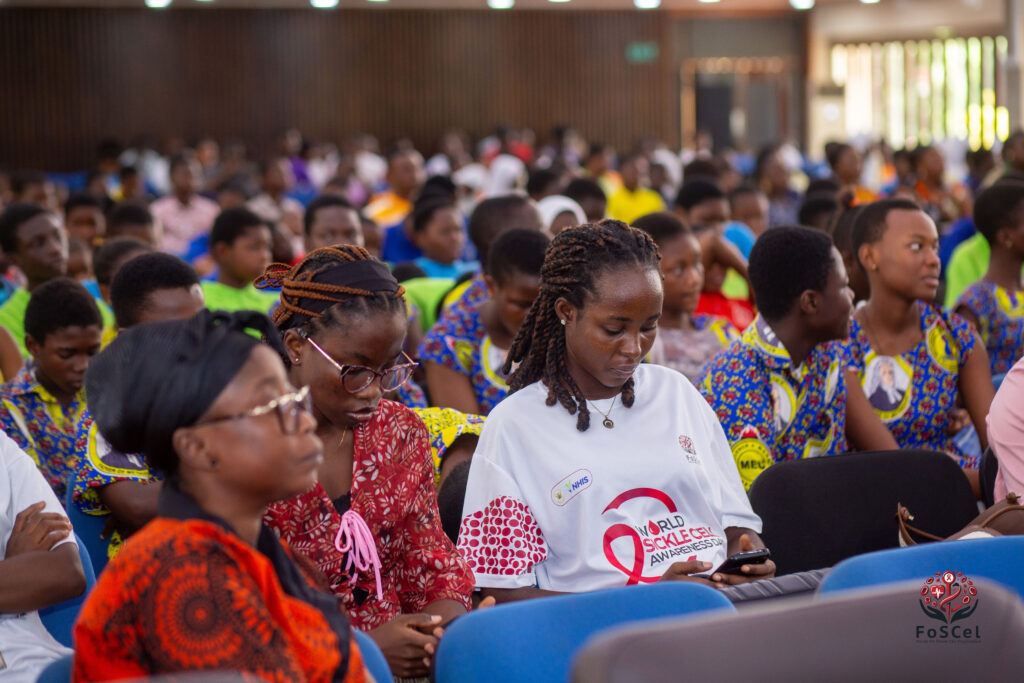
He noted that ongoing initiatives under the emerging “Mahama Care” programme, alongside NHIA policy expansions, are expected to significantly reduce the financial burden on patients.
Dr Nawaane highlighted that hydroxyurea, a key medication in managing the condition, has already been added to the NHIA medicines list, describing it as an important milestone in improving access to essential treatment.
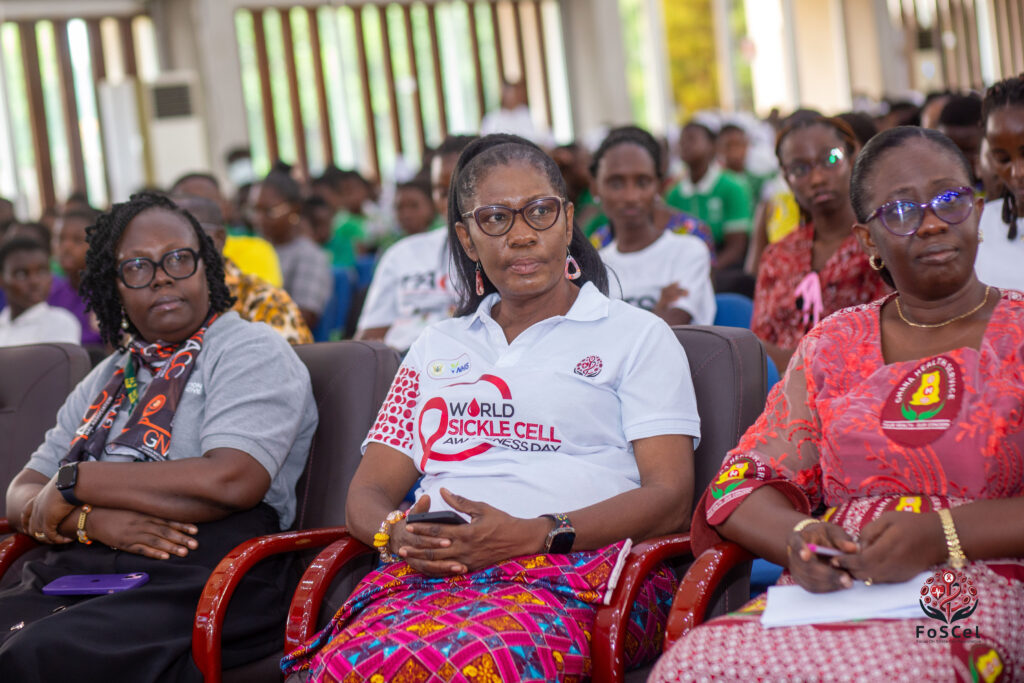
He also proposed the establishment of designated sickle cell treatment centres to ensure consistent, specialised, and fully subsidised care.
He commended FoSCel for its advocacy work, particularly praising its founder, Amos Andoh, whose lived experience as a sickle cell patient adds credibility and urgency to the foundation’s mission.
The Founder of FoSCel, Mr Amos Andoh, reiterated calls for intensified national education on genotype compatibility, urging young people to prioritise medical knowledge in reproductive decision-making.

He warned that many cases of sickle cell disease arise from ignorance and avoidable choices, stressing the importance of early education and awareness.
He also advocated a “Catch Them Young” approach, calling for structured education in schools and communities to ensure that genotype awareness becomes part of foundational learning.
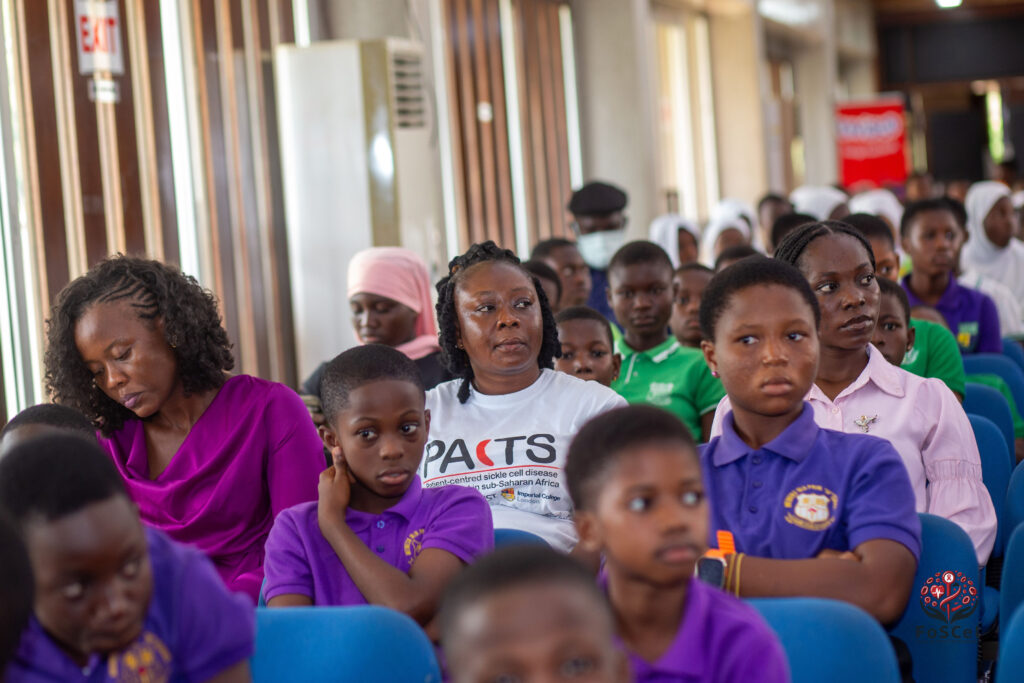
The Ghana Health Service (GHS) used the occasion to reaffirm the importance of early screening, newborn testing, and sustained public education.
It noted that about 2% of babies in Ghana are born with sickle cell traits, making universal screening and early intervention essential to reducing complications and improving survival outcomes.
Health officials also highlighted ongoing public-private partnerships and international collaborations aimed at strengthening sickle cell care, including programmes supported by the Ministry of Health, NHIA, and global health partners.
Latest Stories
-
Supreme Court dismisses Kojo Oppong Nkrumah’s application seeking to halt legal vacation trials
11 minutes -
Restaurant portions, surplus food worsening Ghana’s food waste problem — Food Scientist
22 minutes -
NPP extends 2026 National Officers Elections filing deadline to August 29
28 minutes -
NDC has not shown it can manage power sector effectively — Fiifi Boafo
33 minutes -
Ghana secured US$2.6bn FDIs in 2025 – GIPC Report
34 minutes -
GRIDCo restores power nationwide after August 20 blackout, says grid strengthening measures ongoing
46 minutes -
Journalism must prioritise public interest over attention — Kwesi Pratt
1 hour -
Ghana Mineworkers Union demand suspension of contract mining directive, threaten industrial action
2 hours -
ADB Ghana Medicals constructing and equipping new Cardiothoracic Centre at Komfo Anokye
2 hours -
AFREIKH Summer School challenges Africa to harness critical minerals
2 hours -
Government plans 2,000-acre pharmaceutical innovation park in Osudoku to boost local drug production
2 hours -
Partey undergoes medical ahead of Al Shabab move in Saudi Arabia
2 hours -
Today’s front pages: Friday, August 21, 2026
2 hours -
Power outages could drive up cost of digital services — NITA
3 hours -
Patients face basic sanitation gaps in West African health facilities — WHO / UNICEF
3 hours