

Audio By Carbonatix
Reliable electricity is essential for economic growth, public services, and daily life — but Sierra Leone’s power sector has long struggled with losses, weak data systems, and financial pressure. Through UK-funded support, ASI and Deloitte Ghana worked with Sierra Leone’s Electricity Distribution and Supply Authority (EDSA) to improve how electricity is tracked, billed, and paid for, helping the utility strengthen revenue collection and build a more sustainable foundation for the country’s energy future.
Sierra Leone’s electricity sector faces deep-rooted challenges that affect households, businesses, and public services alike. Aging infrastructure, incomplete customer records, and widespread electricity losses have made it difficult for EDSA – the country’s national electricity distributor — to reliably track how power moves through the network and where revenue is being lost.
The result is a cycle that undermines the entire sector. Lost revenue limits EDSA’s ability to maintain infrastructure, invest in upgrades, and improve service reliability. Businesses face high operating costs and unpredictable supply, while households and essential services such as healthcare and education are affected by unreliable electricity.
For Sierra Leone, strengthening the financial sustainability of the electricity sector is not simply a technical issue. It is a critical step towards creating a more reliable, investment-ready energy system that can support long-term economic growth.
Building a Clear Picture of Network
Through the UK Foreign, Commonwealth and Development Office (FCDO)-funded Expertise to Support Economic Reform in Sierra Leone (ESER) programme and the Green Cities, Infrastructure and Energy Programme (GCIEP), ASI partnered with Deloitte Ghana to support EDSA in strengthening revenue protection and energy accounting across parts of Freetown’s distribution network.
The work began in District 80 under ESER before expanding into Districts 79 and 81 under GCIEP to build on early results and test how improvements could be scaled more widely.
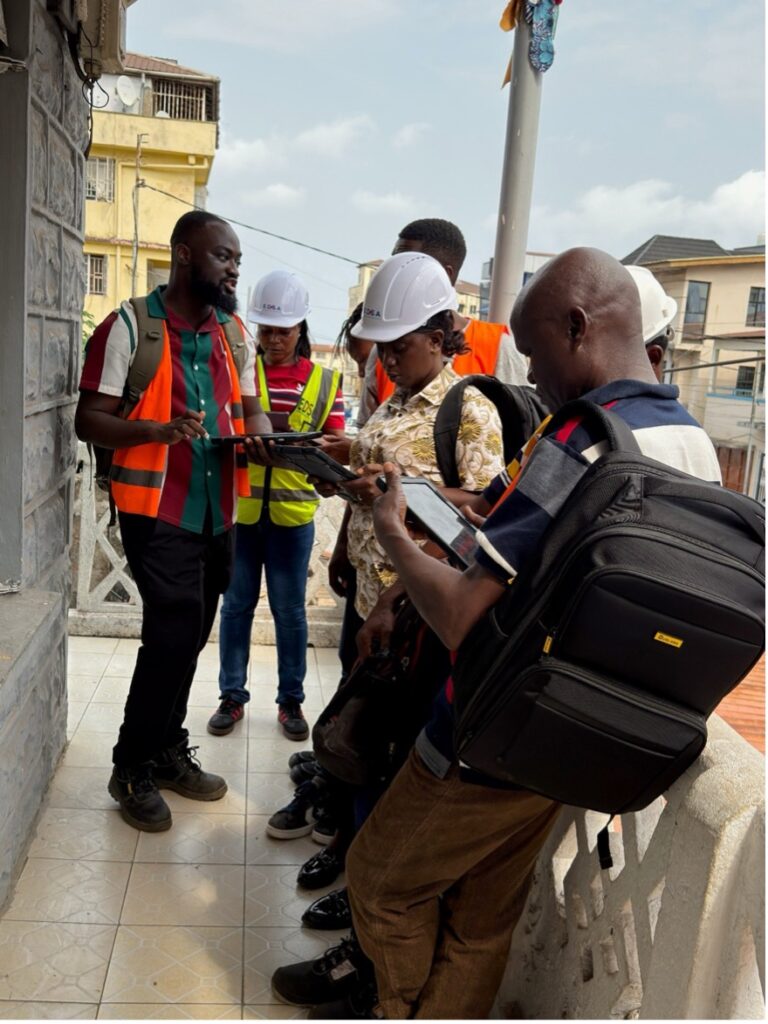
At the heart of the pilot was a simple but important goal: give EDSA a clearer understanding of where electricity was being supplied, consumed, and lost.
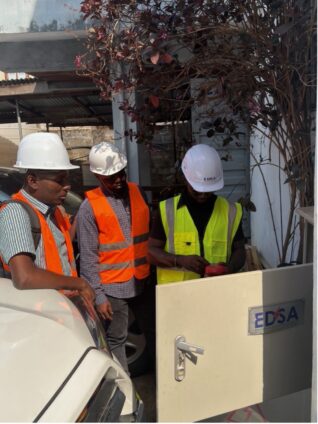
To do this, the team brought together customer records, metering information, and network data to improve visibility across the distribution system. Field teams also carried out targeted inspections of customer connections and meters — particularly among large commercial users — identifying faulty meters, illegal connections, and billing irregularities that were contributing to revenue losses.
The pilot also supported GIS mapping of selected parts of the network, helping EDSA better link customers to transformers and improve oversight of physical assets. Billing systems and customer databases were reviewed to identify gaps and inconsistencies affecting revenue collection.
Alongside the technical work, the project focused heavily on building EDSA’s internal capability. Staff worked directly with Deloitte specialists to strengthen skills in data analysis, operational monitoring, and revenue protection, helping embed new approaches into day-to-day operations. Deloitte also developed recommendations for the future structure and operating procedures of EDSA’s Revenue Protection Unit to support longer-term sustainability.
Stronger Controls, Better Visibility, More Reliable Revenue
The pilot delivered important improvements in how EDSA monitors electricity flows and manages commercial performance.
By improving the quality of customer and network data, EDSA gained a clearer picture of where losses were occurring and where interventions were needed most. This stronger visibility made it easier to identify problems, correct records, and take targeted action across the network.
Inspections and customer reviews also helped improve billing accuracy and strengthen revenue collection, particularly among large commercial customers where losses can have a significant financial impact.
Just as importantly, the work strengthened EDSA’s internal capacity to continue this progress beyond the life of the pilot. Staff gained hands-on experience using new analytical tools and operational processes, helping build a stronger foundation for ongoing revenue protection and network management.
The pilot identified practical interventions capable of unlocking significant annual savings while improving operational oversight. EDSA is now exploring how elements of the work can continue using internal funding, helping sustain momentum and scale improvements further.
Together, these changes support stronger accountability, more efficient commercial operations, and a more financially resilient electricity utility — all essential conditions for improving electricity reliability in Sierra Leone.
Why it Matters
Reliable electricity is fundamental to economic development. Businesses depend on stable power to grow and create jobs, while households and public services rely on electricity for everything from healthcare and education to water supply and communications.
By helping EDSA better understand how electricity is distributed, billed, and lost, the pilot addressed one of the core barriers to a stronger power sector: limited visibility and weak accountability across the network.
Improving revenue protection does more than strengthen utility finances. It creates the conditions for reinvestment in infrastructure, better maintenance of the network, and more reliable electricity supply over time. Stronger commercial performance can also help reduce pressure on public finances and improve confidence among investors and development partners.
The work is particularly relevant as Sierra Leone advances efforts to increase private sector participation in the electricity sector. Utilities with stronger data, clearer systems, and more reliable commercial performance are better positioned to engage with potential private partners and attract future investment.
For Sierra Leone, strengthening these foundations is an important step towards building a more resilient and financially sustainable electricity system capable of supporting long-term growth.
Latest Stories
-
Accra ranks among world’s top 20 cities for nightlife in 2026
36 minutes -
Police arrest two suspects over murder of Yidani chief and son
50 minutes -
How Albert Bondah, Fredima, Socrate Safo, Counselor Lutterodt engineered Dan Kwaku Yeboah’s comedy show
1 hour -
Yidani chief’s murder: Police arrest two suspects following intelligence tip-off
1 hour -
Government to connect 206 Volta communities to national grid within six months – Energy Minister
2 hours -
Petrol, diesel and LPG prices expected to rise marginally in September – COPEC
2 hours -
Canada installs large Lake Ontario sign in latest jab at US
2 hours -
Energy Minister commends Roads Minister for massive road projects in Volta Region
2 hours -
Executive support professionals must reposition as strategic partners – Centre for Executive Development
3 hours -
Ablakwa calls for end to African conflicts, urges leaders to create jobs
3 hours -
NSMQ 2026: Prempeh College withstands late Keta SHTS push to grab first semi-final spot
3 hours -
7 feared dead at reclaimed mining site in Atiwa East
4 hours -
Ghana Immigration Service removes 1,055 street beggars from the streets of Accra and Kumasi
4 hours -
Ghana @70: Litina outlines support services for diaspora visitors seeking to reconnect with Ghanaian roots
4 hours -
Boat carrying nearly 270 people capsizes off northern Cyprus
5 hours