

Audio By Carbonatix
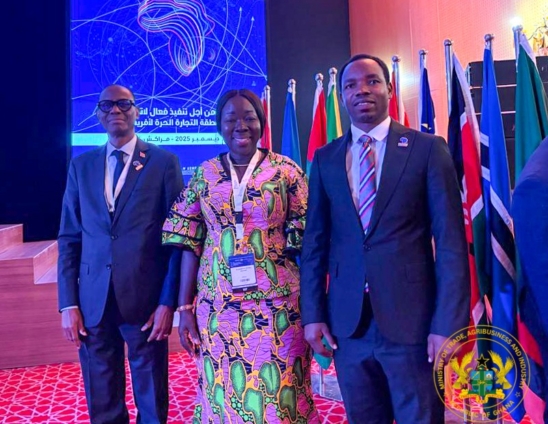
African Trade Ministers and senior officials responsible for trade convened in Marrakech from 11–12 December 2025 for a high-level Ministerial Retreat to refine Africa’s collective priorities and strengthen coordination ahead of the 14th WTO Ministerial Conference (MC14), scheduled for March 2026 in Yaoundé, Cameroon.
Held alongside the 2nd AfCFTA Business Forum, the retreat aimed to build stronger cohesion within the African Group and agree on a common roadmap to advance and defend Africa’s priorities in multilateral trade negotiations.
During the discussions, Elizabeth Ofusu Adjare, Minister for Trade, Agribusiness and Industry, recalled that when the WTO was established in Marrakech in 1994, many African countries arrived “like observers at the table,” signing onto a system largely shaped by others’ priorities and with limited influence on the outcomes of the Uruguay Round.
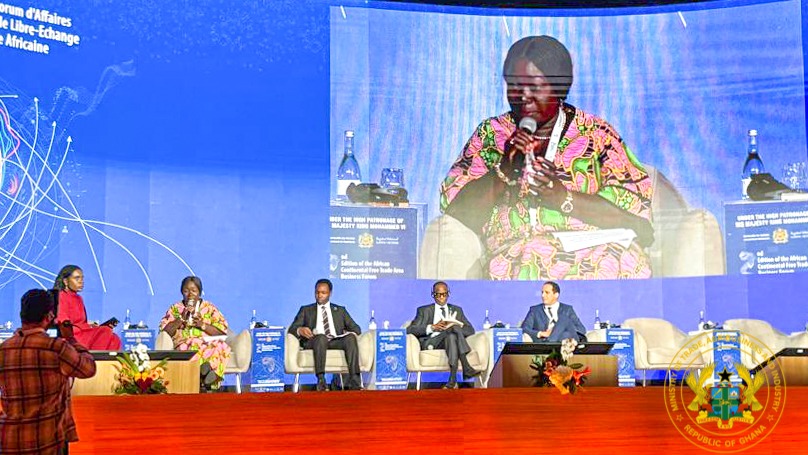
While African countries ratified the agreements in good faith, the continent often operated as rule-takers rather than rule-makers.
“This is no longer our story,” she stressed, urging that MC14, to be hosted on African soil, must be the moment Africa decisively shapes the future of the WTO, including reforms that support development, preserve policy space for industrialisation, and create a more equitable trading system.
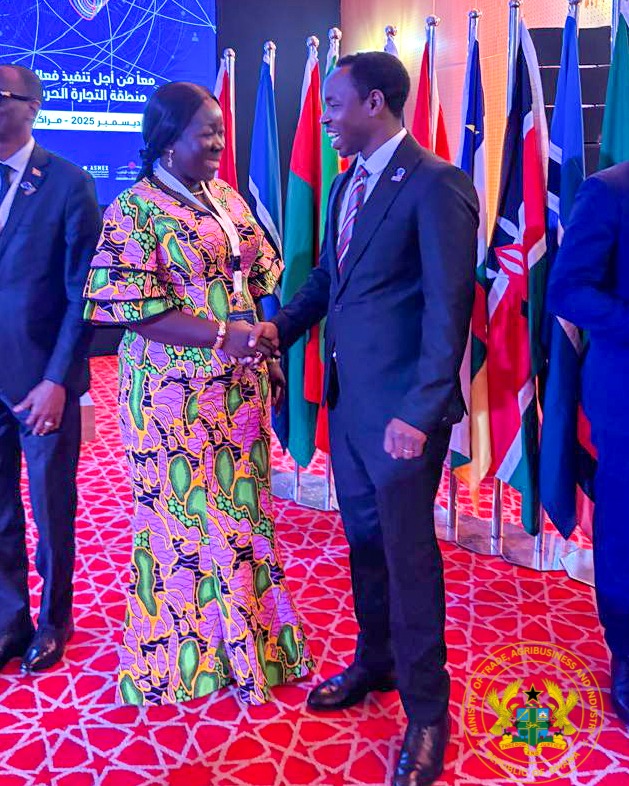
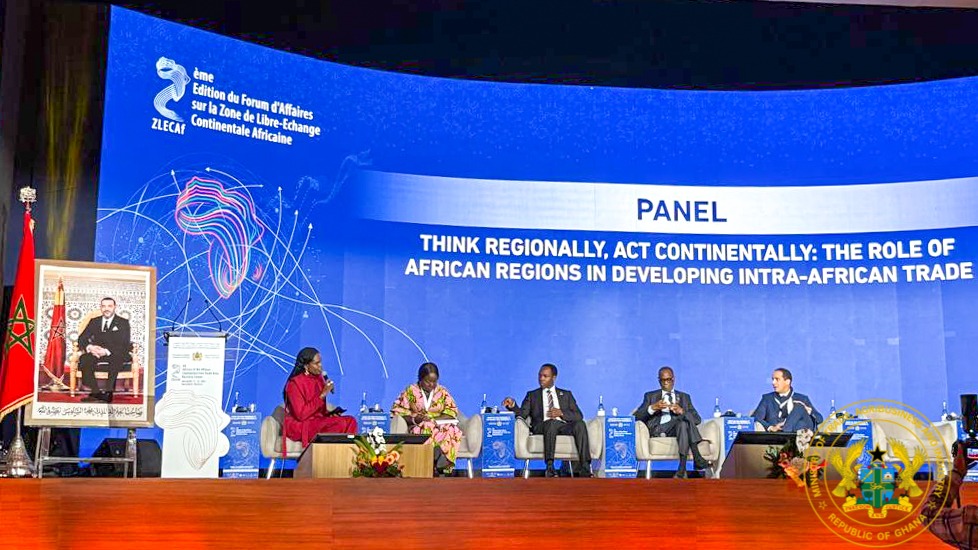
The Minister also participated in a panel focused on practical steps to make the AfCFTA deliver real commercial results.
She called for stronger continental solidarity to address persistent constraints on intra-African trade, highlighting non-tariff barriers, high logistics costs, weak connectivity, limited sea transportation, fragmented customs and standards procedures, and trade finance gaps that particularly affect SMEs, especially women-led enterprises.
She emphasised that the AfCFTA will succeed only if African countries tackle these bottlenecks through coordinated reforms, improved trade facilitation, and targeted investments in transport, border systems, standards infrastructure, and digital trade enablers.
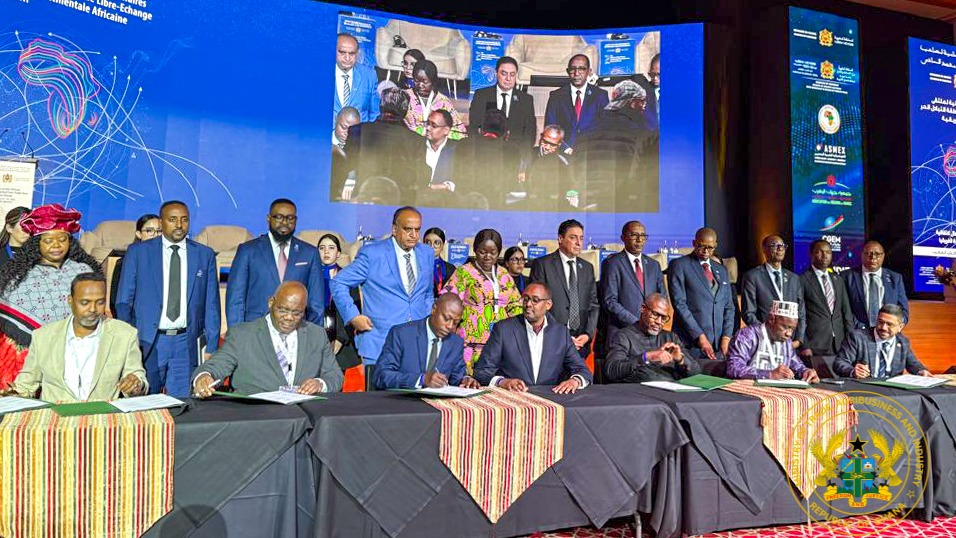
The Marrakech engagement concluded with a shared commitment to deepen African coordination ahead of MC14, align negotiating positions, and ensure that Africa’s priorities, productive capacity, resilience, and inclusive growth are firmly reflected in multilateral outcomes.
Ministers reaffirmed that the AfCFTA remains Africa’s primary vehicle for industrialisation and regional value chains, and that a stronger, unified African voice at MC14 will be essential to building a WTO that works for development and delivers tangible benefits for people and businesses across the continent.
Latest Stories
-
Drug cartels may be seeing Ghana as easy route – Lenin Anane Agyei
16 minutes -
Ghana risks gaining notoriety as drug-trafficking hub – Bobby Banson
25 minutes -
Government dismissed my drug trafficking warning, then tried to arrest me – Ntim Fordjour
27 minutes -
Day Two: 3rd Republic Bank-JoyNews Habitat Fair Clinic underway at Junction Mall
27 minutes -
NACOC addressing inherited gaps in fight against drug trafficking – Deputy Director-General
39 minutes -
Taekwondo goes to school as GTF launches five-region youth campaign
42 minutes -
The issues Mourinho is struggling to fix at Real Madrid
49 minutes -
Hundreds throng EducationUSA College Fair in Kumasi in pursuit of abroad studies
51 minutes -
Drug bust: NACOC should be part of port inspection team – Twum-Barimah
55 minutes -
Ward appointed Liverpool’s sporting director
55 minutes -
This isn’t the first cocaine bust; NPP must stop the politicisation – NACOC deputy boss
58 minutes -
Drug bust case: Only Customs officers, MPS officials in scanning room – NACOC
2 hours -
I don’t mind being insulted; I have a crocodile skin – President Mahama
2 hours -
Samson’s Take: Verify the badge – and verify the story
3 hours -
President Mahama explains why Ghana must rethink regulation of TikTok, other new media platforms
3 hours