

Audio By Carbonatix
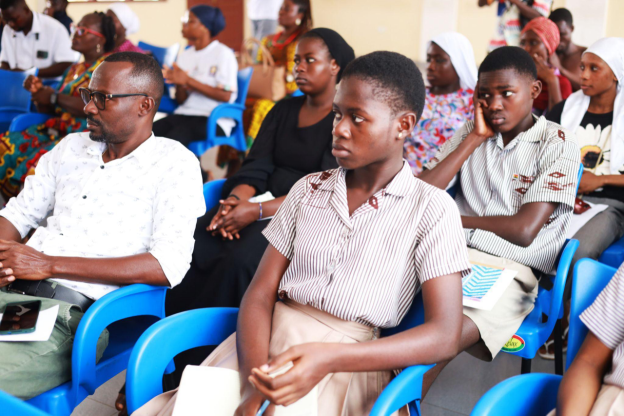
The Ashanti Regional office of the National Population Council Secretariat has marked this year’s World Population Day in Kumasi, urging young people to take responsibility in building strong families for a more inclusive society.
The event, held under the theme “Empowering the youth to create quality families in an inclusive society,” gathered stakeholders from government, traditional leadership, security services, and civil society.
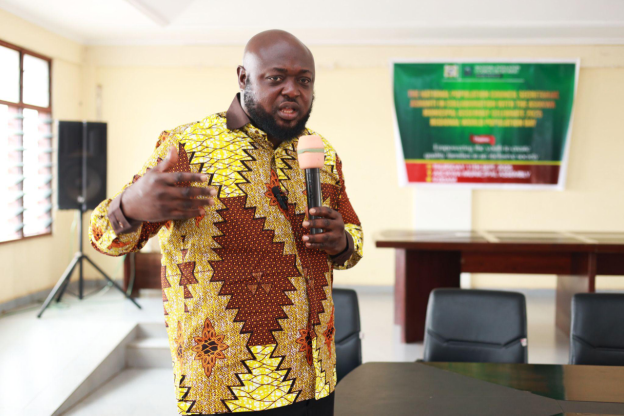
Delivering the keynote address, Municipal Chief Executive for Asokwa Amoh Kamel highlighted that empowering the youth was not only about access to education but also about preparing them to manage the realities of adulthood.
“We must give young people the skills and opportunities to make responsible decisions about their lives. When the youth are equipped with knowledge, they can create stable families that will benefit society as a whole,” he said.
Regional commemoration
Although World Population Day is observed globally on July 11, the Ashanti Regional commemoration was delayed because the national event took place in Accra.
Explaining the decision, the Regional Head of the National Population Council, Mercy Adomaa Beseah, said the day remained an important platform to highlight pressing population issues.
“Normally, we celebrate the day to draw attention to population matters. Here in Ashanti, issues such as teenage pregnancy, maternal health, child abuse, and environmental concerns are key. This year, we are focusing on youth empowerment and quality family building," she said.
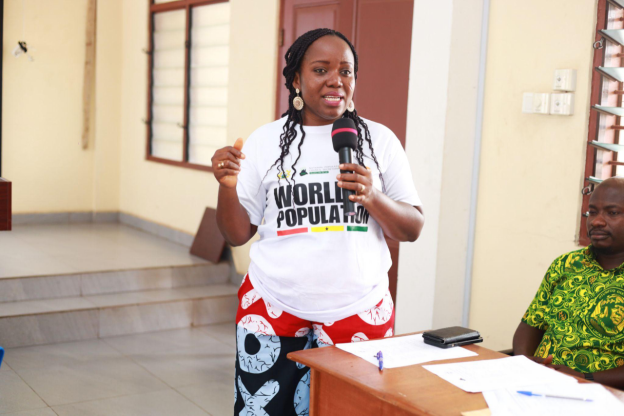
She noted that teenage pregnancy remained high in mining communities such as Jacobu, Amansie Central, and Adansi Akrofuom.
She urged parents to talk openly with their children, emphasising that, “Parents often avoid discussing sex for fear it will encourage the behaviour. But adolescents need age-appropriate guidance. If we don’t guide them, the numbers will keep rising.”
She also revealed that the Council was rolling out initiatives to engage boys and young men.
“The girl often bears the brunt of teenage pregnancy, but boys must also be part of the conversation. We are introducing programmes like ‘Boys at Work’ to involve them, because without the boys, our gains will not last,” she added.
Traditional leadership weighs in
The Otumfuo Asenhene, Nana Yaw Akuoku, representing the Kumasi Traditional Council, warned that population growth must be managed to avoid future strain on resources.
“The rate at which our population is increasing is very fast. We must take practical steps now. If not, in the next ten years, the challenges will be even greater,” he warned.
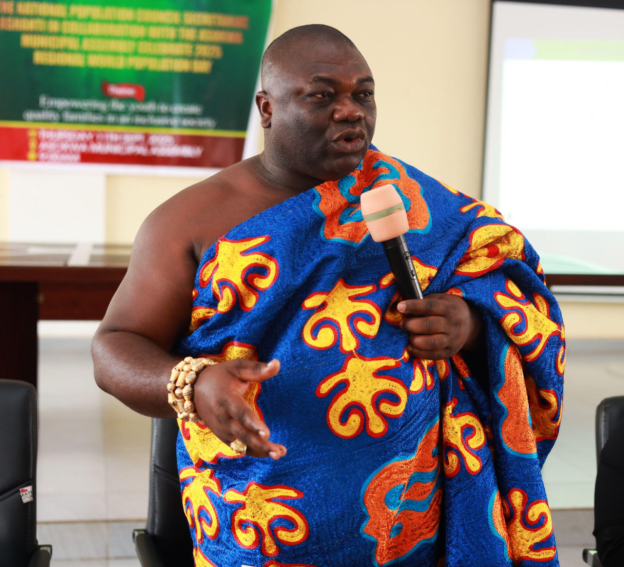
Nana Akuoku called on communities to embrace discussions about family planning and responsible parenting.
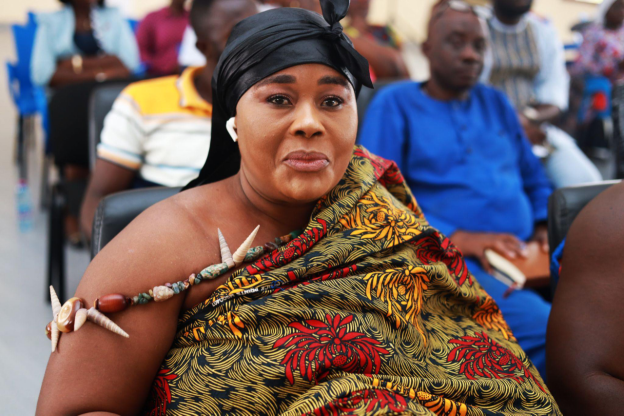
Also present was Nana Akua Afriyie of the Kumasi Traditional Council, who pledged the support of traditional leaders in advocating for stronger family systems.
Security and social concerns
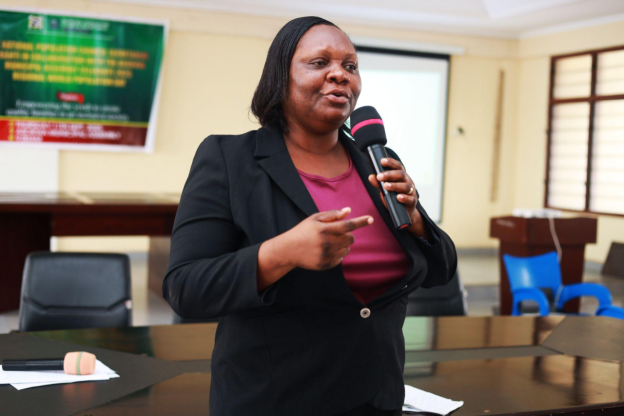
Chief Superintendent Victoria Yeboah Darkwah of the Domestic Violence and Victim Support Unit of the Ghana Police Service linked family challenges to domestic violence cases.
“Many of the problems we see in homes and in law enforcement trace back to weak family foundations. Quality families mean less violence, less abuse, and more stability in society,” she noted.
She urged parents to take responsibility for their children’s welfare.
“As parents, it is your duty to guide, protect, and provide. When you fail, the consequences show up in crime and broken homes.”
Grace Annor Abbey of the Department of Children in the Ashanti Region also emphasised child protection.
She cautioned against child marriage and abuse, calling for stronger community involvement.
“Children must grow up free from abuse. When children are protected, they can grow into responsible adults who also build quality families.”
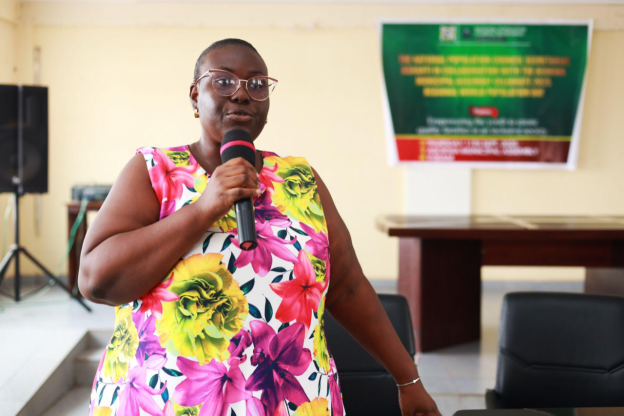
She urged schools, churches, and community leaders to report cases of abuse and work together to protect vulnerable children.
Call for shared responsibility
Throughout the programme, speakers returned to a common theme: that building quality families was a shared responsibility.
Mr. Kamel reminded the youth that empowerment also meant discipline and preparation for the future.
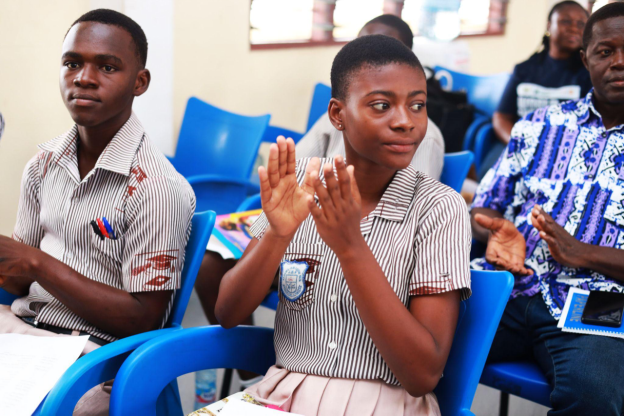
Participants also held thematic presentations and an open forum discussion on issues including teenage pregnancy, maternal health, child protection, and the role of men in family building.
Latest Stories
-
Young woman found dead at Kasoa Peace Town
28 minutes -
Livestream: The Law examines lawful arrest in Ghana
53 minutes -
Mahama urges African governments to treat healthcare as an investment, not budget cost
1 hour -
Bawumia congratulates John Boadu and new NPP executives, pledges support ahead of 2028
1 hour -
‘No talent should be left out’ – Bawumia pledges inclusive NPP campaign for 2028
2 hours -
Prof. Mike Oquaye recounts how he blocked Special Prosecutor’s attempt to arrest Bawku Central MP
2 hours -
Make health sovereignty a priority for Africa – Mahama
2 hours -
Dorimon Naa, Wa West DCE lead massive clean-up exercise; threaten sanctions against recalcitrant residents
2 hours -
Photos from Adom FM Y2K Jam
2 hours -
Praye Tiatia steals the show at Adom FM Y2K Jam [Watch]
3 hours -
Boakye Agyarko congratulates John Boadu, pledges support for NPP leadership
3 hours -
Antwi HiMight thrills fans with Antwi ne Antwi hits at Adom FM’s Y2K Jam [Video]
3 hours -
Amb. Edward Boateng congratulates Boadu, Kodua on election wins
3 hours -
John Boadu pledges to rebuild NPP from grassroots and restore ‘winning machinery’
3 hours -
Ashaiman Assembly deploys monitoring system to curb dumping in storm drain
4 hours