

Audio By Carbonatix
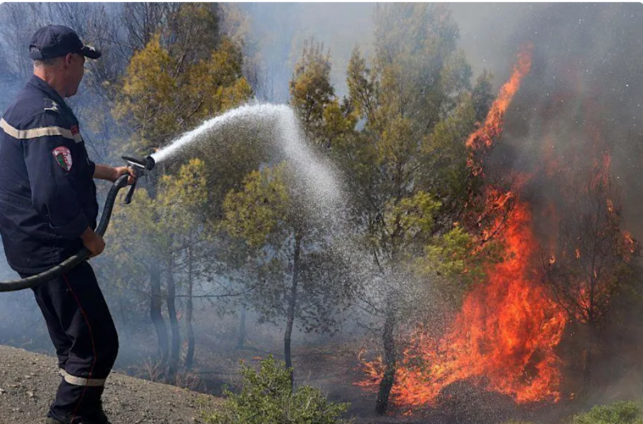
At least 12 people have been killed and 54 others injured as a wave of aggressive wildfires tore through northern Algeria's coastline, prompting a devastating crisis for local communities. Civil protection teams and emergency responders have mobilised across multiple provinces to combat the flames while evacuating vulnerable residents from the path of destruction.
The Human Toll And Regional Impact
Interior Minister Said Sayoud confirmed that the fatalities occurred across three distinct provinces as blazes overwhelmed local defences. "Five deaths were recorded in the prefecture of Jijel, four in that of Bejaia and three in that of Tizi Ouzou," he stated. Beyond the fatalities, authorities reported that 54 individuals sustained burn injuries or suffered from severe smoke inhalation, with at least six patients currently receiving critical care in intensive care units. Local media footage captured harrowing scenes of residents seeking refuge inside a regional post office as dense clouds of smoke enveloped the streets of Jijel.
Emergency Operations And Containment Efforts
Government leadership moved swiftly to the disaster zones to coordinate relief efforts and evaluate medical infrastructure. Minister Sayoud travelled alongside the Algerian Health Minister Mohamed Seddik Ait Messaoudene to assess local firefighting and evacuation procedures, visiting a hospital in the city of Souk El Thenine in Bejaia.
Civil protection authorities recorded an overwhelming 154 fire outbreaks nationwide in a single day, forcing the evacuation of numerous families from threatened residential neighborhoods. Firefighters successfully brought dozens of blazes under control in provinces including Skikda, El Tarf, Bouira, Tizi Ouzou, and Tebessa, though active hotspots continued to burn across multiple municipalities in Bejaia and Jijel.
Climate Change And Summer Fire Risks
The catastrophe unfolds as a punishing heatwave grips North Africa, severely impacting both Algeria and neighboring Tunisia. While seasonal forest fires regularly threaten Algeria during the dry summer months, scientists note that climate change has drastically escalated the frequency and intensity of these disasters.
The World Meteorological Organisation reports that North Africa has experienced the fastest warming rate among African subregions, recording a temperature increase of 0.43 degrees Celsius per decade between 1991 and 2025. These rising temperatures, combined with severe water shortages and prolonged drought conditions, continue to amplify the environmental vulnerability of the Mediterranean coastline.
Latest Stories
-
Bono East Minister inspects ‘Big Push’ roads; contractor on Tankor-Fiema-Busunya road ahead of schedule
2 seconds -
Scrutiny is not disloyalty – Chief of Staff defends serious journalism at 30th GJA Awards launch
1 minute -
Abuse case: Nana Akua’s husband Harold unable to appear in court after hospital admission – Police
21 minutes -
Mahmud Kabore picks NDC Ashanti Regional Communication Officer nomination forms
27 minutes -
KNUST Career Services pioneer Selina Doe Angmor named among 2026 40 Under 40 honourees
28 minutes -
Nana Akua domestic abuse case: Police to arraign husband after hospital discharge
31 minutes -
NHIS coverage rises to 70% after government uncaps levy – Health Minister
38 minutes -
World Cup visa scandal: I’ll go after anyone who dents Mahama’s gov’t – Ernest Norgbey
46 minutes -
GCNM calls for a permanent office complex, more funding for specialist nursing training
47 minutes -
Salomey Awiti Baffoe reunites with family after GH¢100k bail
59 minutes -
We’ll modernise Accra without losing its heritage – Roads Minister assures Ga Mantse
1 hour -
Rent Control urges Parliament to expedite amendment of outdated rent laws
1 hour -
The scars on the drum: A Nunyãdume reflection on failure, courage and the audacity to try
2 hours -
Gender Ministry warns perpetrators of violence after Nana Akua Addo videos circulate
2 hours -
Police investigate alleged child-stealing involving two pupils in Ashanti Region
2 hours