

Audio By Carbonatix
At least six Americans have been exposed to the Ebola virus during a deadly outbreak in the Democratic Republic of Congo, sources have told CBS News, the BBC's US partner.
The World Health Organization (WHO) has declared the outbreak in DR Congo as an international emergency, with 336 suspected cases and 88 deaths reported.
One American is believed to be experiencing symptoms, while three others are said to have faced a high-risk contact or exposure. It is unclear whether any of them have been infected.
The US Centers for Disease Control and Prevention (CDC) said it was supporting the "safe withdrawal of a small number of Americans who are directly affected", but did not confirm how many.
The current strain of Ebola is caused by the Bundibugyo virus, for which there are no approved drugs or vaccines.
There are also two confirmed cases and one death in Uganda, according to the CDC.
The US government is reportedly looking to arrange transport for the small group of Americans in DR Congo to a safe quarantine location, a source told health news site STAT.
Quoting a source, the site adds that the group could be taken to a US military base in Germany, though this has not been confirmed.
During a press conference on Sunday, the CDC declined to answer direct questions about the US citizens reportedly affected, adding that the risk to the US remained low.
The US has also issued a Level Four travel advisory - its most severe level - warning against travel to the DR Congo.
The WHO has said the outbreak in DR Congo's eastern Ituri province is a public health emergency of international concern, but did not meet the criteria of a pandemic.
The agency has also warned it could potentially be "a much larger outbreak" than what is currently being detected and reported, with significant risk of local and regional spread.
More than 28,600 people were infected by Ebola during the 2014-2016 outbreak in West Africa, the largest outbreak of the virus since its discovery in 1976.
The disease spread to a number of countries within and outside of West Africa, including Guinea, Sierra Leone, the United States, the United Kingdom and Italy, killing 11,325 people.
Jean Kaseya, director general of Africa Centres for Disease Control and Prevention, warned that in the absence of vaccines and effective medicines people should follow public health measures, including the guidance about handling the funerals of those who have died from the disease.
"We don't want people infected because of funerals," he told the BBC World Service's Newsday programme.
Community funerals, where people helped wash the bodies of their loved ones, contributed to many people becoming infected in the earlier stages of the big outbreak more than a decade ago.
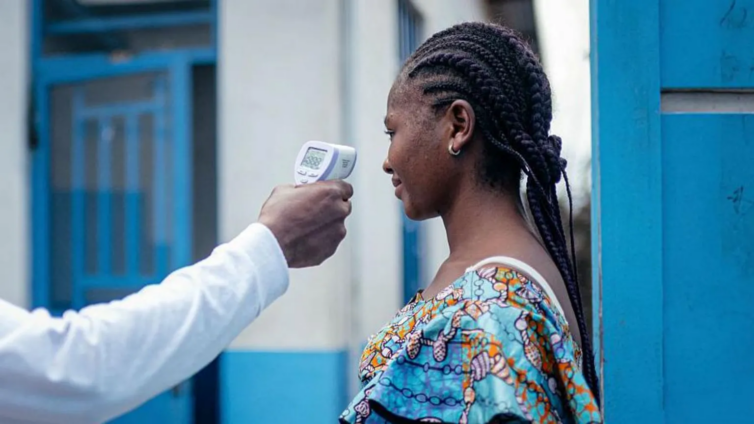
The WHO has advised DR Congo and Uganda, two countries with confirmed cases, to undertake cross-border screenings to avoid the virus from spreading.
It has also urgednearby countries to "enhance their preparedness and readiness", including surveillance at health facilities and communities.
Neighbouring Rwanda said it would be tightening screening along its border with DR Congo as a "precautionary measure", while Nigeria said it was "closely monitoring the situation".
Latest Stories
-
Woman injures three people in third Poland school knife attack in a week
3 seconds -
Ghana should join BRICS as partner, not member – NPP Bono East Regional Secretary
55 seconds -
Ghana High Commission warns nationals in South Africa over protests in Johannesburg, Durban
1 minute -
Mahama praises Roads Minister for keeping Big Push contractors on their toes
7 minutes -
World Cup Visa Scandal: ‘My client has not collected money for visas’ – Ampofo Ankrah’s lawyer
18 minutes -
US immigration officials defend ICE agents who shot man in same car as child
28 minutes -
Commentator Katie Zacharia picked as new White House press secretary
31 minutes -
Drone strike by Sudan paramilitary kills 41 near Ethiopian border, rights group says
38 minutes -
King warns malicious online actors are evolving tactics
45 minutes -
Several injured as Saudi capital airport reportedly hit again
47 minutes -
Christa Pike discharged from hospital and returned to prison, her lawyers say
49 minutes -
Ghana’s BRICS move requires clear strategy to manage risks – Godfred Bokpin
3 hours -
Pay teachers realistic income – Duncan Amoah to gov’t
3 hours -
Bechem to become chicken capital of Ghana – Mahama projects
3 hours -
Mentapulse Africa’s Health and Labour Summit calls for better working conditions to retain skilled professionals
3 hours