

Audio By Carbonatix
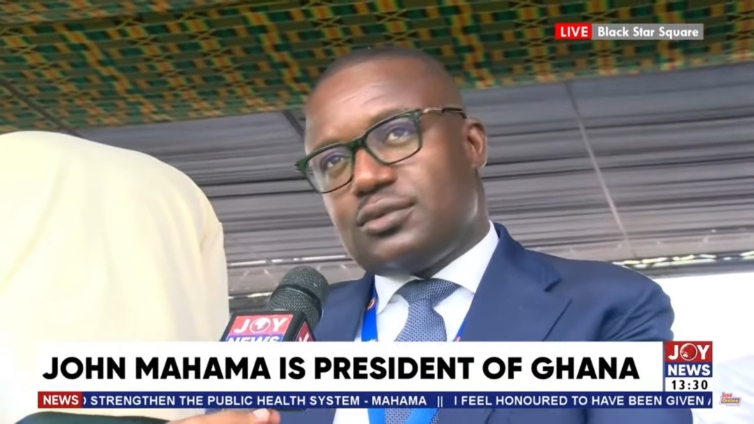
The Member of Parliament (MP) for the Yapei-Kusawgu constituency, John Abdulai Jinapor, has warned that the country faces a serious energy crisis, as there is currently insufficient fuel in stock for power generation.
According to him, the outgoing Nana-Addo-led government failed to make necessary fuel procurements despite repeated warnings and calls to do so.
"I have bad news for you. As of today, the confirmation we are receiving is that we have only five hours' worth of fuel left," he said.
He added that the country’s current fuel supply for power generation will not last more than two days. "If you look at the heavy fuel oil and diesel fuel, we don't have enough to last two days. So, in two days' time, we are likely to run out of fuel."
“This administration has not placed any fuel orders as we speak,” he concluded.
He was speaking with JoyNews after the swearing-in ceremony of the President John Mahama in Accra on January 7.
Ghana's energy mix and consumption requirements
Ghana's energy landscape is characterised by a diverse mix of sources, including hydroelectric power, thermal energy (natural gas, crude oil, and diesel), solar, and other renewables.
The country's energy policy aims to ensure reliable and sustainable energy supply to meet its growing demand, driven by population growth, industrialisation, and urbanisation.
Hydropower has historically been the backbone of Ghana's electricity supply, contributing around 30-40% of the energy mix. The Akosombo, Kpong, and Bui dams are the primary hydropower stations. However, reliance on hydropower has reduced over the years due to the unreliability of rainfall patterns.
Thermal plants powered by natural gas, light crude oil, and diesel account for about 50-60% of Ghana's energy mix. Natural gas has become the preferred fuel, with domestic gas supplies from the Jubilee and Sankofa oil fields complemented by imports from Nigeria through the West African Gas Pipeline (WAGP).
Renewable energy contributes a smaller portion (around 1-2%) of the energy mix. Ghana has been gradually increasing its investment in solar energy through projects like the VRA Solar Plant and small-scale distributed solar systems.
Ghana’s total energy consumption is estimated at around 15,000 GWh annually, with electricity demand growing at a rate of 6-10% per year.
Peak electricity demand is around 3,800 MW, while the installed generation capacity exceeds 5,000 MW, suggesting surplus capacity. However, actual available capacity fluctuates due to maintenance, fuel supply issues, and other operational challenges.
Latest Stories
-
Unchecked imports and the Middle East crisis threaten Ghana’s fragile food inflation anchor
16 minutes -
Ecobank Junior Saver Big Pitch to reward 10 winners with GH¢2,000 each
21 minutes -
AMA demolishes unauthorised pigsty obstructing Agbogbloshie waste evacuation exercise
21 minutes -
I was filled with disbelief – Akosua Achia Sarpong Esq. shares her first reaction
22 minutes -
Snake Village: A look at Volta Region’s hidden snake village and its tourism potential (Video)
29 minutes -
Election Watch Ghana calls for constitutional reforms to strengthen Electoral Commission independence
31 minutes -
NACOC, Postal and Courier Services Regulatory Commission intensify efforts to curb drug trafficking
33 minutes -
Ga Mantse chairs committee to drive Accra Green and Clean City Initiative
35 minutes -
Drivers threaten to remove traders from lorry stations over TrafficTech concerns
38 minutes -
AI could create 10 to 20 times more jobs despite current recruitment slowdown – Hubtel CEO
40 minutes -
Sexual abuse in schools persists because perpetrators are not held accountable – Dr Nyarkoa
48 minutes -
Chief Justice has designated Achimota Court to handle petroleum diversion cases – NPA CEO
51 minutes -
Philip Nai and friends gear up for bigger seventh Christmas outreach
52 minutes -
GSA strengthens electricity meter testing to protect consumers and improve energy reliability
53 minutes -
‘Dismissed or suspended? Ghanaians deserve clarity’ – NPP demands clarity on Ampofo Ankrah’s fate
57 minutes