

Audio By Carbonatix
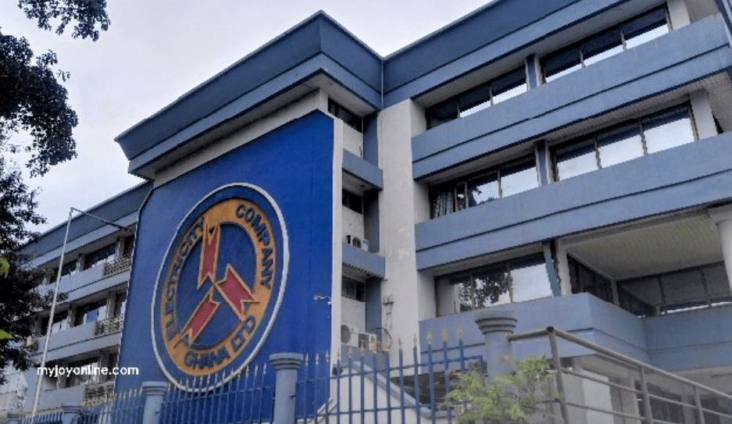
The Electricity Company of Ghana (ECG) owed the Bui Power Authority more than $729 million by the end of 2023, according to the 2024 Auditor-General’s report on the public accounts of Ghana. The figure reflects a long-standing failure by ECG to pay for electricity generated and supplied by Bui.
As of 2019, ECG’s outstanding debt to Bui stood at $386 million. That figure rose by $343 million over the next four years, reaching $729 million at the close of 2023.
During this period, ECG’s payments relative to monthly bills issued by Bui steadily declined. In 2020, ECG paid 57 percent of the total bill. That dropped to 34 percent in both 2021 and 2022, before falling further to just 23 percent in 2023.
The Auditor-General warns that continued non-payment risks undermining Bui’s financial position. Without adequate revenue, the authority may struggle to carry out planned maintenance, invest in infrastructure upgrades, and ensure stable generation capacity.
At the heart of the issue is ECG’s poor compliance with the Cash Waterfall Mechanism (CWM), a formula introduced to distribute ECG’s monthly revenues fairly across the energy sector. Since ECG is the main electricity distributor, energy sector liquidity depends on its ability and willingness to remit payments to power producers.
However, ECG has often bypassed the allocation formula and at times underdeclared its monthly revenue to the Cash Waterfall Implementation Committee and the Public Utilities Regulatory Commission.
This resulted in lower-than-approved transfers to power producers, including Bui.
In response, ECG explained that it was diverting funds to support critical projects under its transformation agenda.
These include loan repayments, standing orders contracted before the implementation of the CWM, and the Loss Reduction Programme, which aims to replace faulty or outdated meters with smart prepaid ones.
The CWM was revised in August 2023 to address rising arrears and improve transparency in revenue distribution. Under pressure to comply—particularly following pressure from JoyNews Research—ECG improved its adherence in 2024.
That year, Bui received GH₵350 million out of an approved allocation of GH₵438 million, representing 80 percent compliance, a notable improvement over previous years.
In the first five months of 2025, ECG has gone further, transferring 99 percent of the approved allocation to Bui under the CWM.
This has helped ease liquidity constraints and supported Bui’s operations. However, it remains unclear how much of the legacy debt ECG has actually repaid and how much remains outstanding.
Sustaining adherence to the CWM is crucial. Any slippage, including underdeclaration of revenue, risks undoing recent progress and worsening the sector’s financial fragility.
Encouragingly, ECG’s current performance shows what is possible when the rules are followed.
Latest Stories
-
Brandon Asante and Coventry all but promoted to Premier League despite Sheffield Wednesday draw
3 minutes -
GPL 2025/26: Late Kwartemaa strike downs Hearts in Tema
10 minutes -
Ghana Faces Sierra Leone Moment as Prosecutorial Powers come under strain
20 minutes -
Don’t consume fish or seafood from Tema Shipyard until further notice – FDA warns
24 minutes -
Why volunteering might be Africa’s most underrated career accelerator
31 minutes -
ActionAid Ghana raises concern over gender gaps in Feed Ghana Programme
33 minutes -
Windstorm wreaks havoc in Gushegu, displacing nearly 2,000 residents and damaging schools
35 minutes -
Friends of Bridget Bonnie Marks her 35th birthday with donation to Kasseh Model Health Centre
1 hour -
From Ekumfi Kokodo to the Pulpit Stage: Essi Donkor’s gospel journey takes shape
2 hours -
Landfilling waste management creates no value, it’s an economic waste
2 hours -
Photos: Speaker Bagbin Commissions MPs constituency office under parliamentary decentralisation programme
2 hours -
Black Stars technical advisor Winfried Schäfer sacked as GFA shakes up backroom staff
2 hours -
Wenchi water project almost complete, critical to gov’t agenda – GWL MD
2 hours -
Anti-LGBTQ+ bill not part of government’s legislative agenda – Inusah Fuseini
2 hours -
Anti-LGBTQ Bill: Forget the rumour mongers, I’m a man of action, and will pass the bill – Speaker
3 hours