

Audio By Carbonatix
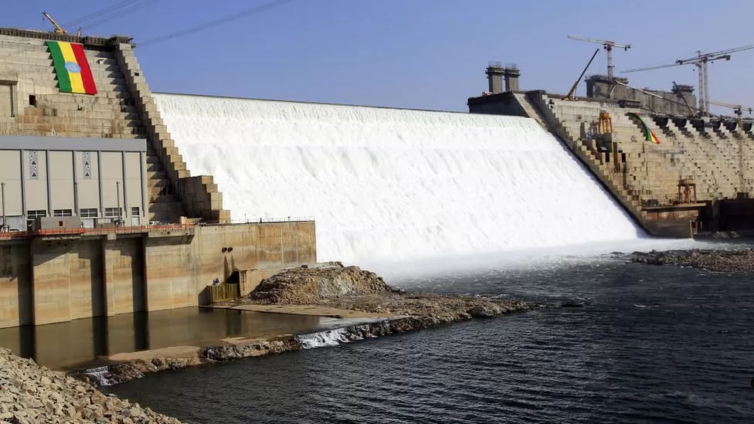
Egypt has voiced anger after Ethiopia announced it had filled the reservoir at a highly controversial hydroelectric dam on the Blue Nile river.
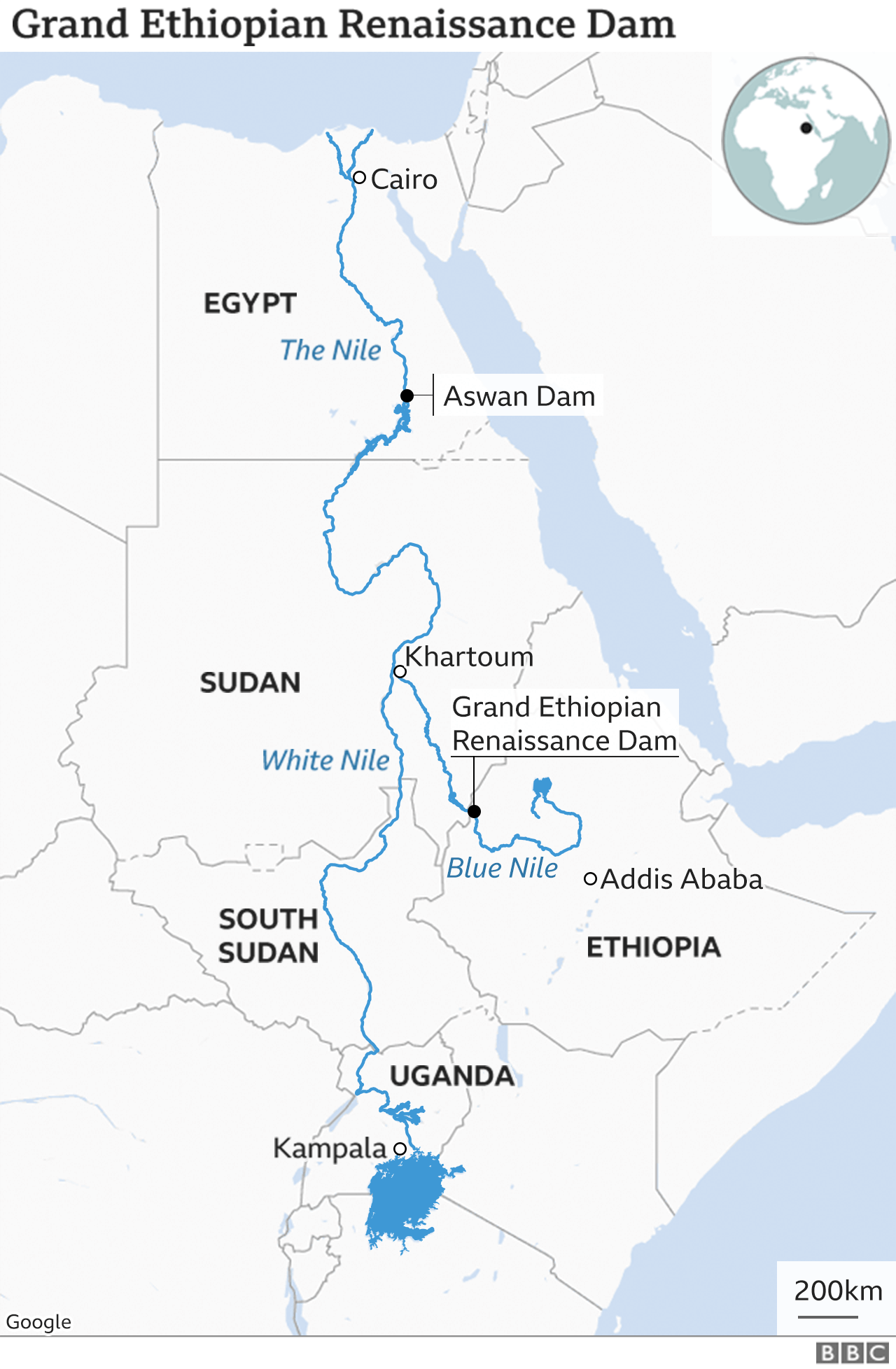
Ethiopia has been in dispute with Egypt and Sudan over the megaproject since its launch in 2011. Egypt relies on the Nile for nearly all its water needs.
Egypt's foreign ministry said Ethiopia was disregarding the interests of the downstream countries.
Ethiopia says the $4.2bn (£3.4bn) dam will not cut their share of Nile water.
"It is with great pleasure that I announce the successful completion of the fourth and final filling of the Renaissance Dam," Ethiopian Prime Minister Abiy Ahmed said on X, formerly Twitter.
He admitted the project had faced "internal and external obstacles" but "we endured all that". The dam began generating electricity in February 2022.
Ethiopia believes the Grand Ethiopian Renaissance Dam (Gerd) will double the country's electricity output, providing a vital development boost, as currently half the 127-million population lacks electricity.
The plan is to generate more than 6,000 MW at the dam, which is about 30km (19 miles) from Ethiopia's border with Sudan.
Egypt and Sudan argue that common rules for the operation of Gerd must be agreed, fearing that energy-hungry Ethiopia may exacerbate their existing water shortages.
Negotiations over the project resumed last month, having been suspended in 2021.
Sudan - currently mired in fighting between rival armies - did not immediately react to Prime Minister Abiy Ahmed's announcement on Sunday.
In a statement on Facebook the Egyptian foreign ministry said Ethiopia's "unilateral" filling of the reservoir violated a declaration of principles signed by the three countries in 2015, and branded Ethiopia's action "illegal".
"The declaration of principles stipulates the necessity of the three countries reaching an agreement on the rules for filling and operating the Gerd before commencing the filling process," the statement said.
"Ethiopia's unilateral measures are considered a disregard for the interests and rights of the downstream countries and their water security, as guaranteed by principles of international law."
Latest Stories
-
Hawa Koomson pledges experienced and mature leadership of NPP women’s wing
5 minutes -
Young woman found dead at Kasoa Peace Town
38 minutes -
Livestream: The Law examines lawful arrest in Ghana
1 hour -
Mahama urges African governments to treat healthcare as an investment, not budget cost
2 hours -
Bawumia congratulates John Boadu and new NPP executives, pledges support ahead of 2028
2 hours -
‘No talent should be left out’ – Bawumia pledges inclusive NPP campaign for 2028
2 hours -
Prof. Mike Oquaye recounts how he blocked Special Prosecutor’s attempt to arrest Bawku Central MP
2 hours -
Make health sovereignty a priority for Africa – Mahama
2 hours -
Dorimon Naa, Wa West DCE lead massive clean-up exercise; threaten sanctions against recalcitrant residents
2 hours -
Photos from Adom FM Y2K Jam
3 hours -
Praye Tiatia steals the show at Adom FM Y2K Jam [Watch]
3 hours -
Boakye Agyarko congratulates John Boadu, pledges support for NPP leadership
3 hours -
Antwi HiMight thrills fans with Antwi ne Antwi hits at Adom FM’s Y2K Jam [Video]
3 hours -
Amb. Edward Boateng congratulates Boadu, Kodua on election wins
4 hours -
John Boadu pledges to rebuild NPP from grassroots and restore ‘winning machinery’
4 hours