

Audio By Carbonatix
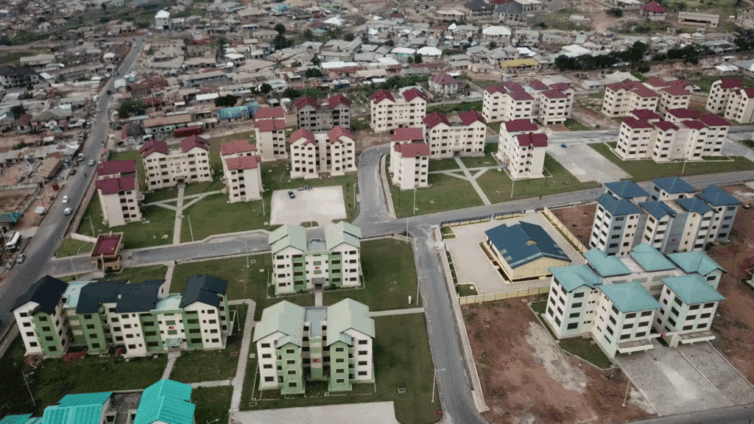
Partner at PricewaterhouseCoopers Ghana (PwC), Winfred King, has urged the government to take the lead in making Ghana’s towns, cities, and villages more livable as part of efforts to meet the Sustainable Development Goal (SDG) target for livable cities by 2030.
Speaking on Joy FM’s Super Morning Show on Wednesday, August 6, as part of the Joy Sustainability Month, Mr King highlighted three key steps Ghana must take in the lead-up to the 2030 deadline.
When asked what could be done to move closer to the SDG target, he said the first step was to revisit existing policy frameworks.
“As a country, let’s revisit our policy documents or regulations. We need to ask ourselves what we really want to do for our people within the city,” he said. “We don’t want people commuting long distances before they can come to town. That’s something we need to look at seriously.”
He noted that the government must take ownership of the process, particularly due to the financial demands involved.
“The second thing is we have to be deliberate and commit. Government needs to take charge because it boils down to financing,” he explained. “Infrastructure is quite capital intensive, so government needs to commit and say, ‘look, I want to provide affordable housing.’”
However, Mr King pointed out that government cannot handle the burden alone and must actively partner with the private sector.
“Government can’t do that alone. They need private partners to support them,” he said. “The private sector has a role to play especially in financing. But government must also contribute, because private entities can’t shoulder the full cost. Government support will help lower the cost of doing this.”
He added that once financing is sorted, private developers must then take on the responsibility of building and maintaining the facilities.
“That is the only way, as a people, we will be able to do the social or affordable housing we’ve been talking about for years,” he said.
The Sustainable Development Goal (SDG) for housing falls under SDG 11: Sustainable Cities and Communities, with Target 11.1 aiming to ensure that by 2030, everyone has access to adequate, safe, and affordable housing and basic services, while also working to upgrade slums.
This goal recognises that decent housing is essential for a good quality of life, supporting health, education, and employment opportunities.
Latest Stories
-
Power restoration fault suspected in Kumasi Central Market fire
4 hours -
The 7-foot giant of Ngleshie Amanfro: Seven-foot Ghanaian Ephraim Saawa dreams of joining the national basketball team
5 hours -
Government promises support for Kumasi Central Market fire victims
5 hours -
Vibes The Movie: Big Ghun’s Ghanaian film earns five nominations at 2026 REFFA
5 hours -
MamaCare CEO warns unresolved conflicts among health workers could undermine maternal and neonatal care
6 hours -
Health professionals urged to translate medical knowledge into practice to save mothers
6 hours -
Conflicts among care providers linked to maternal, neonatal deaths – Expert
7 hours -
GIS marks 10th TIME conference, champions improved teaching practices
7 hours -
BRICS Or Balance? What Ghana’s bid really means
8 hours -
GPRTU wants full TRAFFITECH-GH implementation to start in 2027
8 hours -
How 10-mile walks for basic education birthed a 50-year legal career for Justice Korbieh
8 hours -
Mahama announces plans to import electric wheelchairs for PWDs
8 hours -
KGL U17 Colts 2026: Western beat Prempeh Elite Academy to set up final final with Greater Accra Region
9 hours -
Late Solanke strike salvages 10-man Spurs draw at Man United
9 hours -
Gender Ministry to monitor welfare of Nana Akua Addo’s children amid domestic violence case
9 hours