

Audio By Carbonatix
The CEO of Ghana Chamber of Bulk Oil Distributor (CBOD) has bemoaned the rising fuel prices.
Speaking on Joy FM's Super Morning Show Tuesday, Senyo Hosi said that due to the overpriced nature of transportation costs of fuel, there are so many overloaded trucks containing fuel that are yet to be exported, thus terming Ghana as a "highly over-trucked country".
"There are a lot of people who have parked their trucks in yards, they can’t get jobs. Ghana is a highly over-trucked country. So your prices would only face south if it is market-driven".
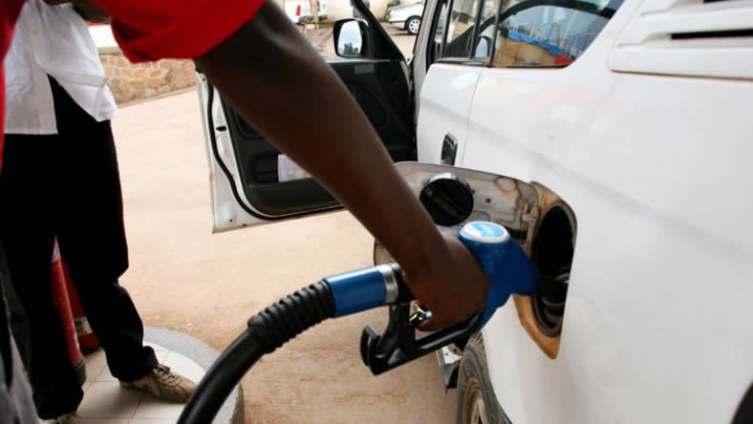
His comments come at the back of the Oil Marketing Companies (OMCs) and the National Petroleum Authority (NPA) adjusting fuel prices upwards by at least 7 per cent at the pumps on Saturday, October 16.
Following the announcement by the OMCs, there have been calls for government to intervene by scrapping levies imposed on petroleum products.
With government changing every election year, he said that new transporters and transportation brokers brought on board tend to gain favour from the incumbent government depending on their party affiliation.
"Because every year, and every government changes, you have a new set of transporters and a new set of transportation brokers who would ship off some 20 or 30 per cent of the real transporters income. So the transporter himself doesn’t get access to the contract. Instead, others would take the contract and sub-contract to them".
Mr Hosi said irrespective of the political party in power, whether it is the NPP or NDC, one way to curb such a practice is to auction fuel prices.
Citing an example, he said that if government auctions one kilometre worth of fuel, transporters should offer the auction price for the quarter.
"You’d see how the NDC transporters would start getting jobs because their pricing would be way lower. Because for them to get business today, they have to get somebody in. When it’s NPP, the reverse is true. This is the thing that is happening on the transportation side".
He said that due to these irregularities in the petroleum industry, citizens tend to suffer the repercussions by paying higher prices to fill out their vehicles.
"Consumers end up paying a premium for it," he stressed.
Latest Stories
-
Fire guts auto parts warehouse at Bubuashie, one fire officer injured
2 minutes -
I owe my victory to coach Ofori Asare – Allotey after winning WBA Africa Gold Super Flyweight belt
6 minutes -
Church of Pentecost supports over 2,000 BECE candidates in Obuasi with career guidance seminar
2 hours -
Brandon Asante and Coventry all but promoted to Premier League despite Sheffield Wednesday draw
2 hours -
GPL 2025/26: Late Kwartemaa strike downs Hearts in Tema
2 hours -
Ghana Faces Sierra Leone Moment as Prosecutorial Powers come under strain
2 hours -
Don’t consume fish or seafood from Tema Shipyard until further notice – FDA warns
2 hours -
Why volunteering might be Africa’s most underrated career accelerator
3 hours -
ActionAid Ghana raises concern over gender gaps in Feed Ghana Programme
3 hours -
Windstorm wreaks havoc in Gushegu, displacing nearly 2,000 residents and damaging schools
3 hours -
Friends of Bridget Bonnie Marks her 35th birthday with donation to Kasseh Model Health Centre
3 hours -
From Ekumfi Kokodo to the Pulpit Stage: Essi Donkor’s gospel journey takes shape
4 hours -
Landfilling waste management creates no value, it’s an economic waste
4 hours -
Photos: Speaker Bagbin Commissions MPs constituency office under parliamentary decentralisation programme
4 hours -
Black Stars technical advisor Winfried Schäfer sacked as GFA shakes up backroom staff
4 hours