

Audio By Carbonatix
As climate change intensifies across Ghana, more families in the northern regions are being forced to make difficult choices.
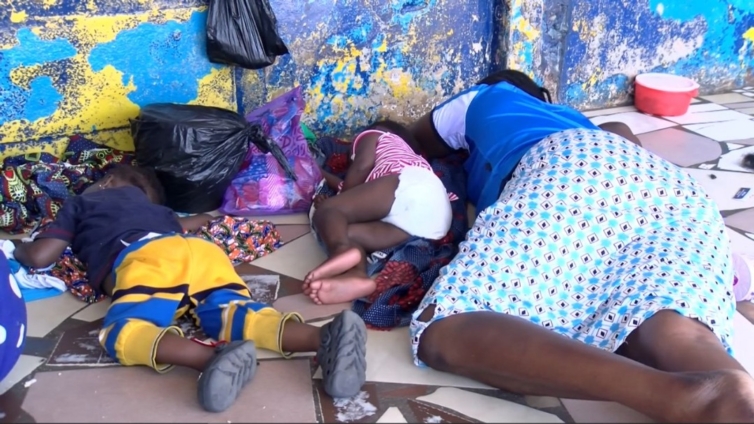
With rising temperatures, prolonged droughts, and erratic rainfall threatening crop yields, many rural women are migrating south to cities like Accra and Kumasi in search of better opportunities.
While often viewed as a negative outcome, this climate-induced migration has become a vital survival strategy.
Migrants, mostly young women known locally as Kayaye, send money back home to support their families a form of remittance that has become an unexpected tool for climate adaptation.
Remittances as a Lifeline for Climate-Affected Families
In northern Ghana, agriculture remains the main source of livelihood. But as changing weather patterns make farming unpredictable, remittances from migrants serve as a safety net.
These funds help families buy food, invest in alternative livelihoods, and adapt to the impacts of climate change.
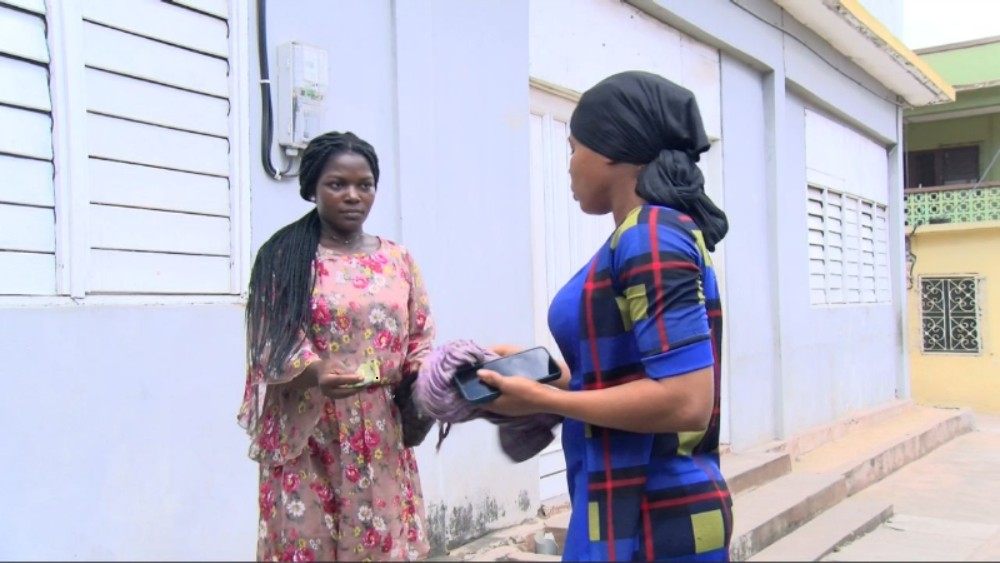
“Every month, I send money home to help my family buy food and pay school fees,” one Kayaye in Accra said. “If I don’t send anything, they will suffer. The farm is no longer reliable.”
However, while migration helps families cope, migrants themselves often face harsh realities — low wages, unsafe living conditions, and social discrimination in urban areas.
Changing Migration Trends: More Women on the Move
According to Dr. Shelta Gatsey, Lead of the SAGE Initiative Ghana, migration trends in the country have shifted.
“Traditionally, men migrated south for work. But since the mid-2010s, we’ve seen more women moving due to economic pressure, empowerment, and education,” she explained.
These women are leaving behind climate-stressed farmlands to engage in informal jobs, primarily as head porters, to sustain their families back home. Dr. Gatsey believes this migration should not be dismissed as a social problem but embraced as a climate adaptation strategy.
Policy Gaps and the Need for Support
Experts say that Ghana’s migration and climate change policies still lack a framework that recognizes migration as a form of adaptation.
Dr. Gatsey argues that the government should consider measures such as reducing taxes on remittances and creating a remittance fund to support households in climate-vulnerable areas.
“Remittances are an untapped resource for building community resilience,” she noted. “With proper policies, they can strengthen local economies and help families withstand climate shocks.”
The Way Forward: Migration as Climate Resilience
The link between climate change, migration, and remittances in Ghana is becoming clearer. For many northern farmers, migration isn’t just a last resort it’s a calculated response to survive environmental change.
As Ghana continues to experience the growing impact of climate change, acknowledging migration as a climate resilience strategy could transform how the nation responds to future challenges.
By viewing migration as adaptation, rather than failure, policymakers, researchers, and communities can work together to harness the power of remittances to build a more sustainable and resilient Ghana.
This story is in partnership with CDKN and the University of Ghana C3SS with funding from CLARE R4I Opportunities Fund.
Latest Stories
-
I assure Otumfuo, Mahama will join him to commission KNUST Teaching Hospital by end of this year – Haruna Iddrisu
37 minutes -
Gov’t to roll out free special education for persons with disabilities from July 1 – Education Minister
59 minutes -
“We used it to test our officiating officials’ readiness” – Bawah Fuseini after CAA Athletics event
1 hour -
Volleyball emerges as Ghana’s fastest rising sport
2 hours -
National Sports Fund needs strong leadership from the top – Administrator David Wuaku
2 hours -
JoySports Exclusive: Steve McLaren in talks with GFA after expressing interest in Black Stars job
2 hours -
Fire guts auto parts warehouse at Bubuashie, one fire officer injured
2 hours -
I owe my victory to coach Ofori Asare – Allotey after winning WBA Africa Gold Super Flyweight belt
2 hours -
Church of Pentecost supports over 2,000 BECE candidates in Obuasi with career guidance seminar
4 hours -
Brandon Asante and Coventry all but promoted to Premier League despite Sheffield Wednesday draw
4 hours -
GPL 2025/26: Late Kwartemaa strike downs Hearts in Tema
4 hours -
Ghana Faces Sierra Leone Moment as Prosecutorial Powers come under strain
4 hours -
Don’t consume fish or seafood from Tema Shipyard until further notice – FDA warns
4 hours -
Why volunteering might be Africa’s most underrated career accelerator
5 hours -
ActionAid Ghana raises concern over gender gaps in Feed Ghana Programme
5 hours