

Audio By Carbonatix
The Private University Founders Association (PUFA) has lauded the Ministry of Education’s decision to initiate reforms to make charter acquisition optional for private universities.
PUFA described the move as a long-awaited relief that would remove major regulatory bottlenecks in the education sector.
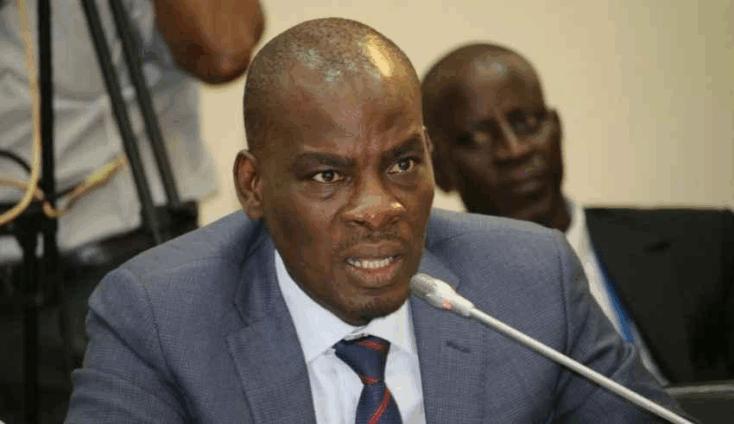
This follows an announcement by Haruna Iddrisu, the Minister for Education, that a Cabinet Memo was being finalised to amend the Education Regulatory Bodies Act, 2020 (Act 1023), to make the chartering process optional for private universities.
PUFA said the proposed reform marked a significant shift in tertiary education policy and opened the door for private universities to innovate, expand access, and improve their contributions to national development.
Dr. Martin K. Gyambrah, Executive Secretary of PUFA, said the existing chartering framework had for years placed private institutions at a disadvantage, limiting flexibility in curriculum development, academic partnerships, and overall institutional growth.
“This policy shift resolves a challenge that private universities had endured for far too long. Making charter acquisition optional will give institutions the room to innovate and operate without restrictive bottlenecks,” Dr. Gyambrah stated.
He added that private universities had consistently demonstrated their relevance in expanding access to higher education, and the new direction affirmed government’s recognition of their role in the sector.
PUFA also praised the Ministry’s emphasis on Access, Relevance and Quality (ARQ) and its assurance of strengthened oversight from the Ghana Tertiary Education Commission (GTEC).
The Association acknowledged the support from Parliament’s Select Committee on Education, led by Mr Peter Nortsu-Kotoe, who had strongly backed the call for an optional charter and reiterated the significant financial relief private universities provided to the state.
PUFA said these developments signal a growing alignment between policymakers and private education stakeholders, which was essential for building a responsive and competitive tertiary education system.
The Association stressed its readiness to collaborate with the Ministry of Education, GTEC, Parliament, and other partners to advance reforms to strengthen the sector.
Latest Stories
-
Government procures over 2,000 transformers as Ghana’s electricity access hits 89.13% – Energy Minister
12 minutes -
UTAG-UG threatens strike on October 19 over unpaid allowance
20 minutes -
Let The Constitution direct Chieftaincy to deliver “All Development Is Local”
2 hours -
John Jinapor outlines renewable energy, nuclear power priorities for 2027
2 hours -
Ghana explores centre of excellence for hearing, communication and cochlear implant care
3 hours -
Schizophrenia-related disorders lead mental health cases recorded in Ghana
3 hours -
Dutch authorities enlist Ghana in hunt for fugitive drug lord Bolle Jos
4 hours -
Ghana housing finance conference adopts communiqué to improve affordable housing access
8 hours -
Special Initiatives Minister urges Wa Technical Institute to enrol more girls as EU-backed solar training lab opens
9 hours -
In the matter of my first year at the Bar
9 hours -
ActionAid Ghana calls for an end to child marriage, greater investment in girls’ rights
9 hours -
Newsfile to tackle World Cup visa scandal, beach demolitions, education strikes, BRICS bid
9 hours -
UK-Ghana Trade & Investment Summit: Trade Resource Centre to help businesses maximise UK-Ghana trade opportunities
9 hours -
Embassy of Denmark celebrates World Maritime Day
10 hours -
Linking LEAP to productive inclusion could cut extreme poverty by 2030 – UNICEF
11 hours