

Audio By Carbonatix
Tamale, the Northern Regional capital, played host to the World Shea Expo 2025 from September 2 to 4, bringing together more than 8,000 participants from across the shea value chain.
The three-day event, held at the Modern City Hotel, attracted producers, international buyers, policymakers, and development partners for what organizers described as the most significant global gathering on shea ever staged in Ghana.
The Expo, held under the theme “Empowering Women and Youth-Led SMEs: The Role of Government and Financial Institutions,” was officially opened by the Deputy Chief of Staff, Nana Oye Bampoe Addo, on behalf of President John Dramani Mahama.
Her address signaled government’s commitment to elevating shea from a subsistence livelihood crop to a strategic economic pillar with global market potential.
Day One: Women at the center of the industry
The first day of the Expo underscored the indispensable role of women in the shea value chain. Across Northern Ghana, the Upper East, and Upper West regions, more than one million women rely on shea collection and processing for their livelihoods.
They form nearly 90 percent of the industry’s workforce, spending long hours collecting nuts, roasting, kneading, and producing shea butter that sustains households and contributes significantly to rural economies.
A moving example was shared through the story of Abubakar Barkatu, a mother of seven and member of the Tungteiya Women’s Shea Butter Association.
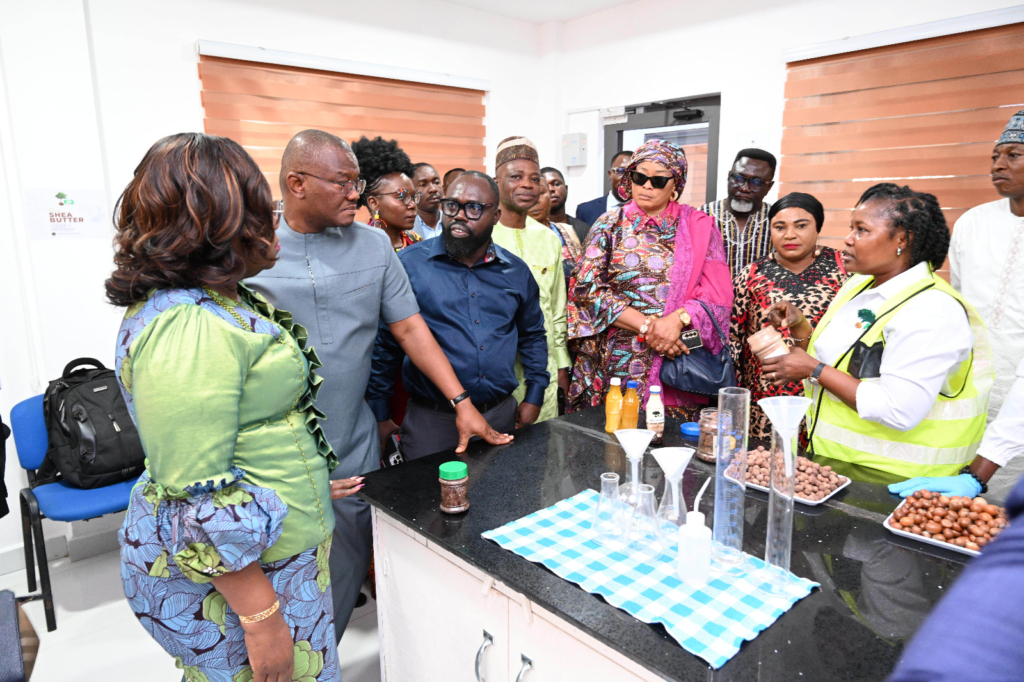
For years, her work in shea has funded her children’s school fees, healthcare, and family needs. Her story mirrored that of countless women across the shea belt, illustrating why the crop is commonly described as “women’s gold.”
The Women in Shea Panel built on this theme, offering a platform for cooperative leaders to share their experiences and challenges. Panelists spoke candidly about the obstacles they face—limited financing, weak market access, and the need for institutional support.
They called for policies that ensure women not only participate in production but also benefit equitably from the wealth generated globally.
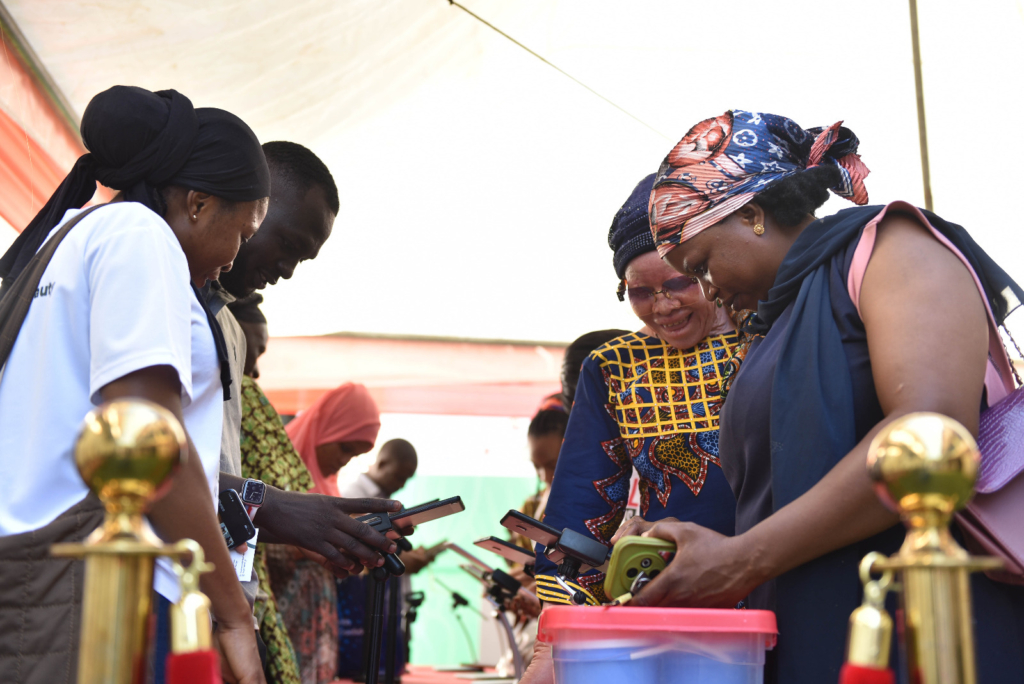
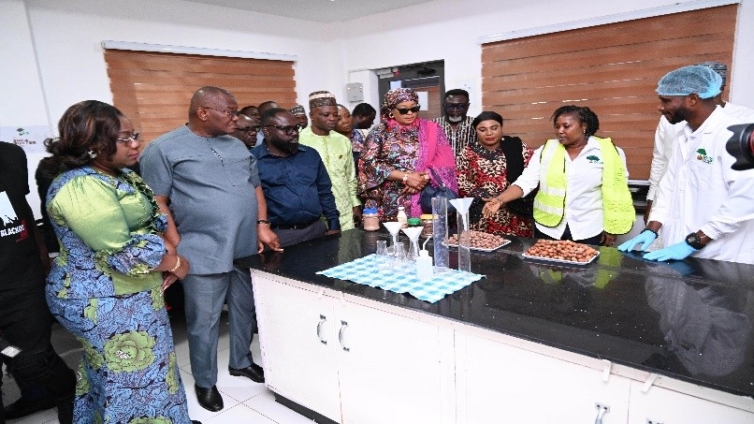
The day concluded with the lively Shea Trade Fair, where cooperatives, processors, and youth-led enterprises displayed a variety of products—from raw kernels and butter to soaps, cosmetics, and food items. The fair created direct linkages between Ghanaian producers and international buyers, with organizers estimating that dozens of contracts and export opportunities were initiated on the spot.
Day Two: Finance, Youth, and Sustainability
The second day shifted focus to money, markets, and modernization. At the Investors Forum, financiers and development partners engaged with policymakers and cooperatives on how to scale up Ghana’s shea industry.
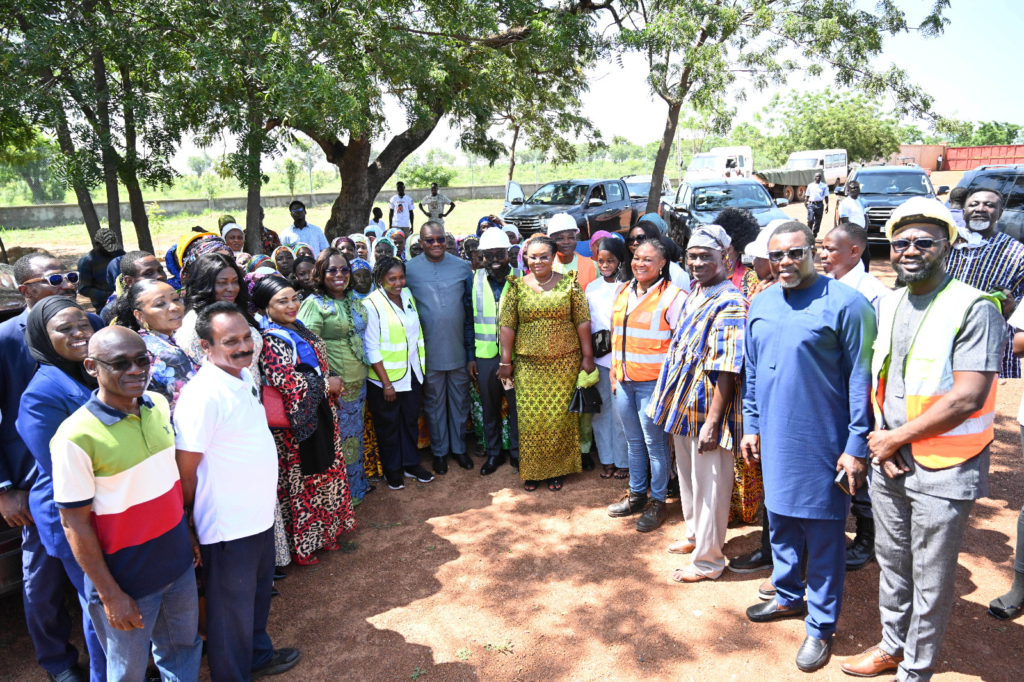
In his address, Dr. Peter Boamah Otokunor, Director of the Presidential Initiatives in Agriculture and Agribusiness, outlined Ghana’s bold ambitions. He revealed that with modern processing facilities, mechanized harvesting, and improved logistics, Ghana could raise production to 400,000 metric tonnes annually, valued at $640 million USD.
He reminded participants that the global shea market, valued at over $2 billion, is projected to exceed $3 billion by 2030, and Ghana must act decisively to claim its share.
The morning’s discussions emphasized that the time has come for Ghana to move beyond exporting raw kernels. By capturing value through refining, branding, and packaging, the country can create jobs, increase foreign exchange earnings, and build a resilient industry that supports inclusive growth.
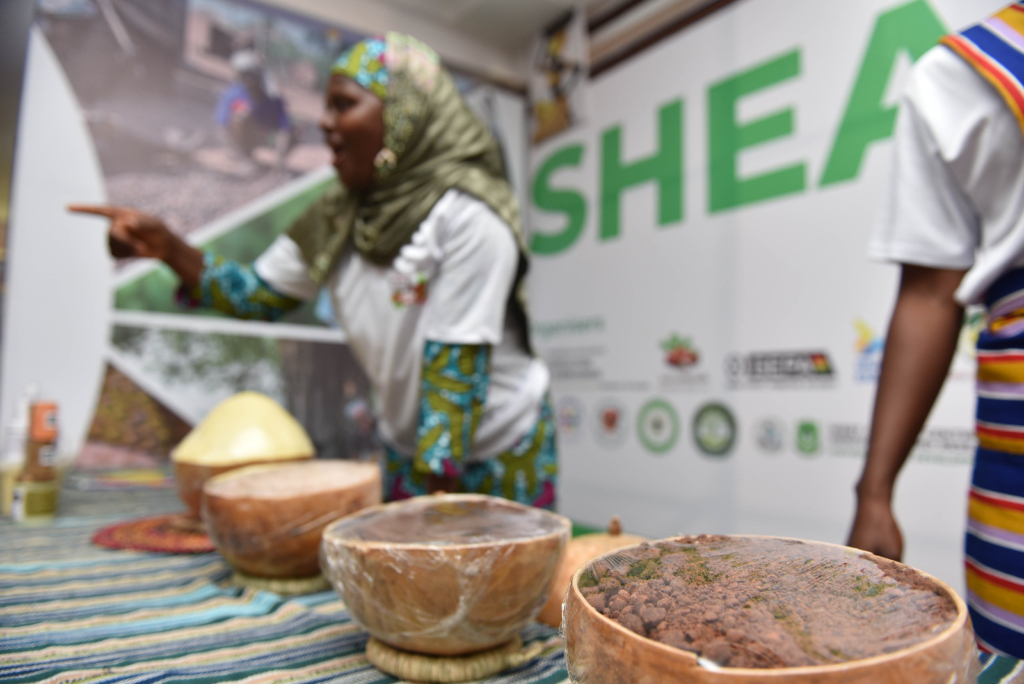
The afternoon spotlighted the future through the Youth Entrepreneurship Workshop, which pulsed with energy and innovation.
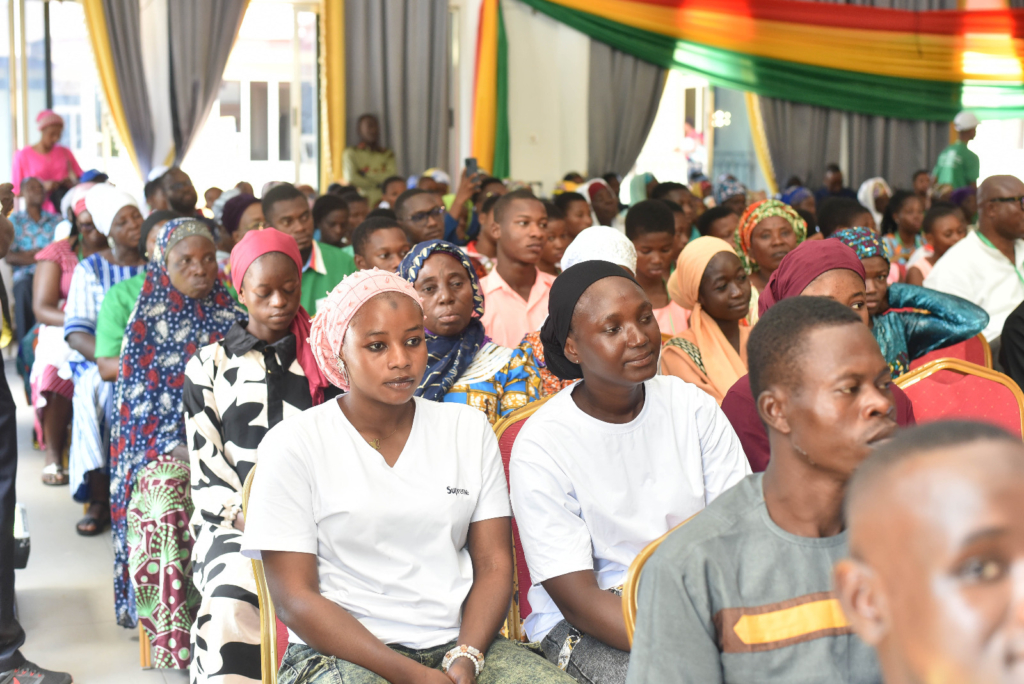
Young entrepreneurs received training in branding strategies, processing technologies, and approaches to breaking into international markets. Some showcased start-ups producing shea-based cosmetics and packaged foods, representing a generational shift from informal, small-scale operations to modernized enterprises with global aspirations.
Closing the day was the Sustainability Showcase, where researchers, environmentalists, and producers discussed climate-smart approaches to shea cultivation. With shea trees often called the “ecological guardians” of the savannah, the discussions highlighted their role in protecting soils, conserving water, and combating desertification. Presentations stressed agroforestry, replanting, and soil conservation as critical steps to balance industry growth with environmental stewardship.
Day Three: Policy, recognition, and field experiences
The final day carried the weight of policy commitments and long-term strategy. It opened with a Policy Dialogue, where government officials, private sector leaders, and development partners charted the future of the industry.
The headline announcement was the revival of the Buipe Shea Processing Factory, an industrial anchor expected to process up to 180,000 tonnes annually when fully operational.
Aligned with the government’s 24-hour economy agenda, the factory is projected to create between 30,000 and 40,000 jobs, particularly for women and youth.
Officials also announced the rollout of national standards for shea kernels and butter, developed in partnership with the Tree Crops Development Authority, GEPA, and the Ghana Standards Authority.
These standards will allow Ghanaian products to access premium international markets and strengthen the country’s reputation for quality.
In her remarks, Hon. Nana Oye Bampoe Addo reaffirmed government’s commitment to farmer welfare with the introduction of a price floor mechanism for shea, modeled after the cocoa sector. This policy is designed to shield smallholder farmers from market volatility while guaranteeing fair pricing.
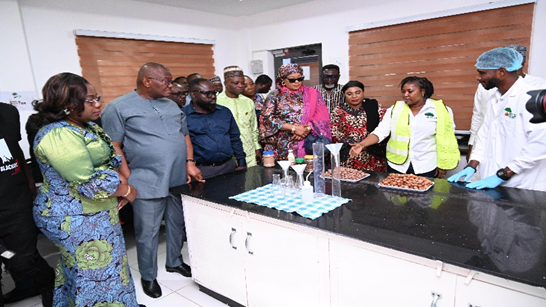
Midday brought a celebratory tone with the Awards Ceremony, which honored outstanding cooperatives, processors, exporters, and youth-led enterprises.
These awards, officials stressed, were more than symbolic—they were endorsements of innovation, excellence, and inclusion in an industry that is striving to compete globally.
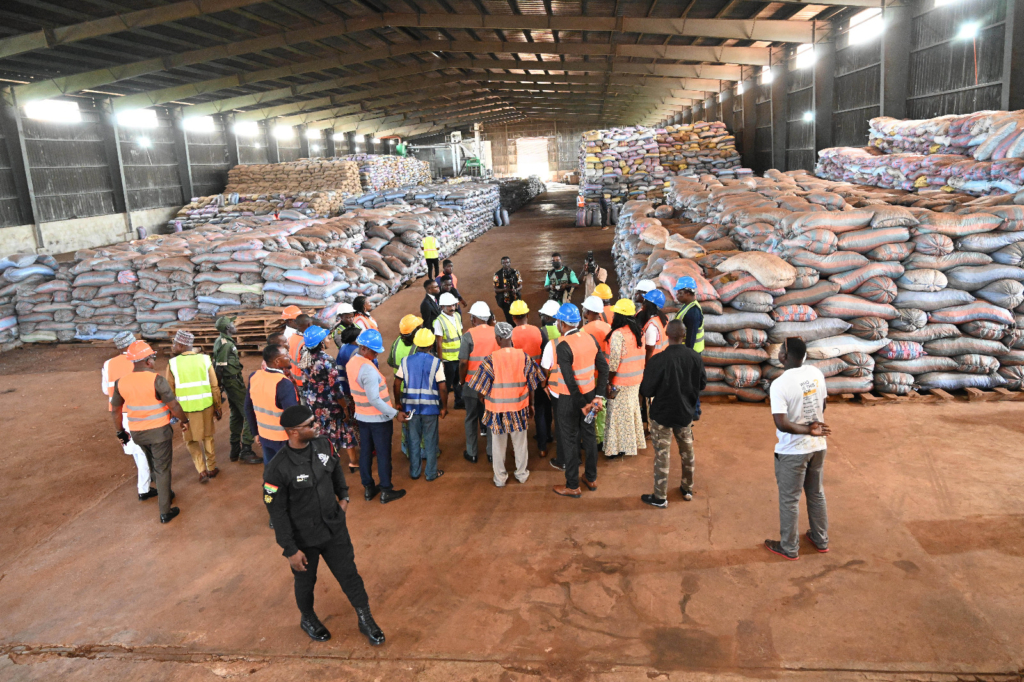
The Expo concluded with Field Visits to shea processing centers and cooperatives in Northern Ghana. Delegates witnessed firsthand the demanding labor involved in nut collection, roasting, and processing, while also observing the challenges of limited infrastructure. Yet, the visits also revealed the resilience of local women and youth entrepreneurs and their capacity to drive transformation with the right support.
Key outcomes and commitments
The World Shea Expo 2025 delivered tangible results. Organizers reported the formation of more than 150 business-to-business partnerships, ranging from direct supply agreements to collaborative ventures.
Over 200 SMEs and youth-led businesses received training in product development, packaging, and financial management.
Practical support came in the form of 20,000 sets of personal protective equipment (PPEs), donated to women collectors across Northern Ghana by Ghana EXIM Bank, GEPA, and the Directorate of Presidential Initiatives. This move is expected to double recovery rates of shea nuts, significantly boosting productivity.
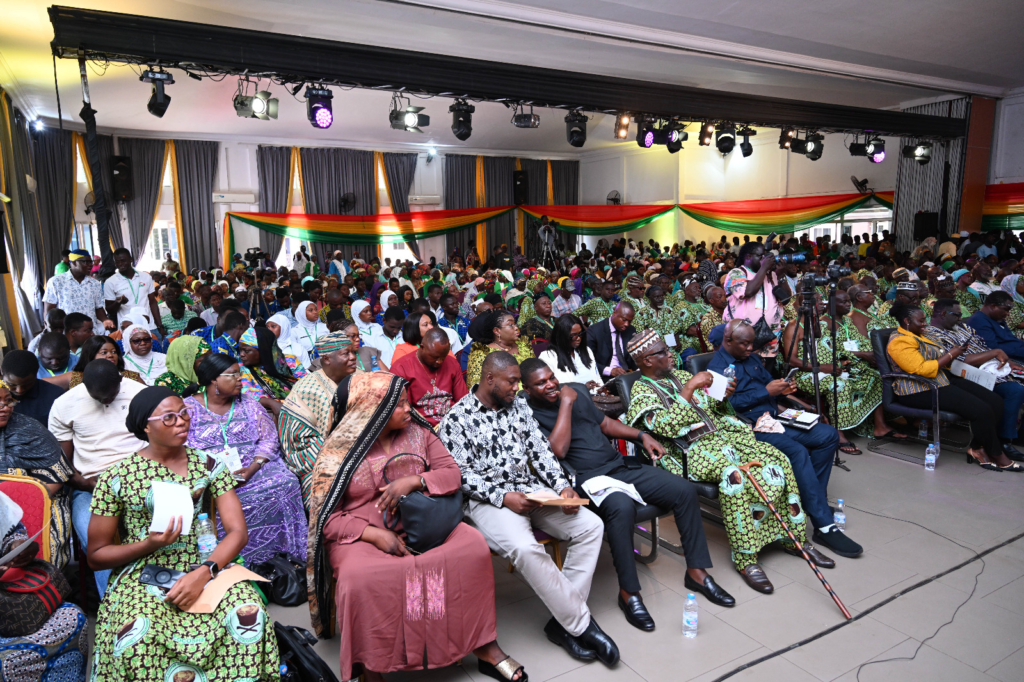
Stakeholders were also issued clear calls to action. Financial institutions were challenged to design accessible financing products for women’s cooperatives and youth SMEs. Development partners were urged to channel resources into research, innovation, and infrastructure.
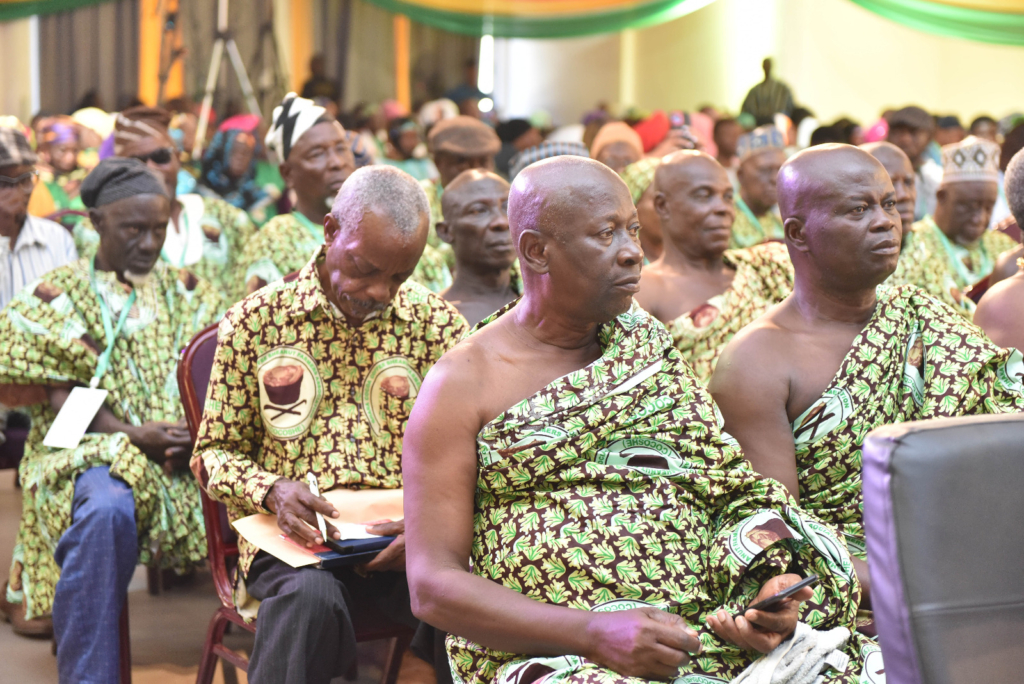
Traditional leaders were reminded of their role in protecting shea landscapes, and the media was tasked with telling Ghana’s shea story to both local and international audiences.
Taken together, these commitments represented a decisive shift from rhetoric to results, signaling that the Expo was not merely ceremonial but a working agenda for sustainable growth.
Legacy and Global Significance
Beyond Ghana, the Expo sent a powerful message to Africa and the wider world. With 21 African countries contributing to the shea belt, the event demonstrated the potential of cross-border collaboration and collective bargaining power in international markets.
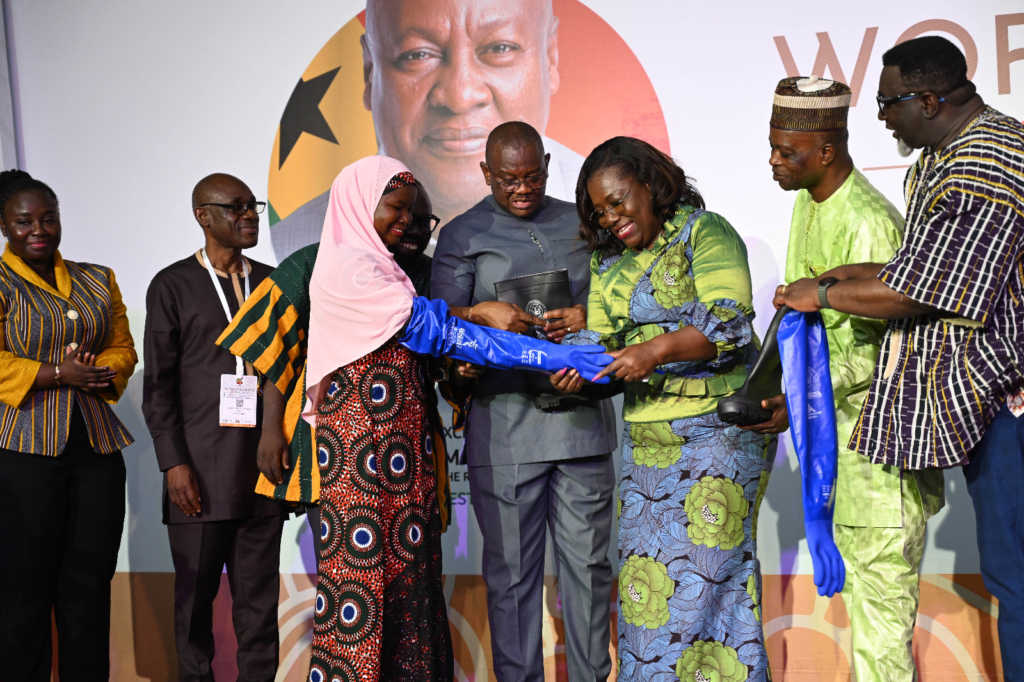
Globally, the Expo reaffirmed shea’s growing importance as a billion-dollar commodity. It highlighted the product’s cultural roots, environmental benefits, and rising demand in cosmetics, pharmaceuticals, and food processing.
By centering women and youth, the Expo also underscored shea’s role as a driver of inclusive growth and social transformation.
As Dr. Peter Boamah Otokunor summarized: “The World Shea Expo 2025 is not just a celebration—it is a platform for transformation. It is an expression of a government that is serious about industrialization, rural development, and climate-smart agriculture.”
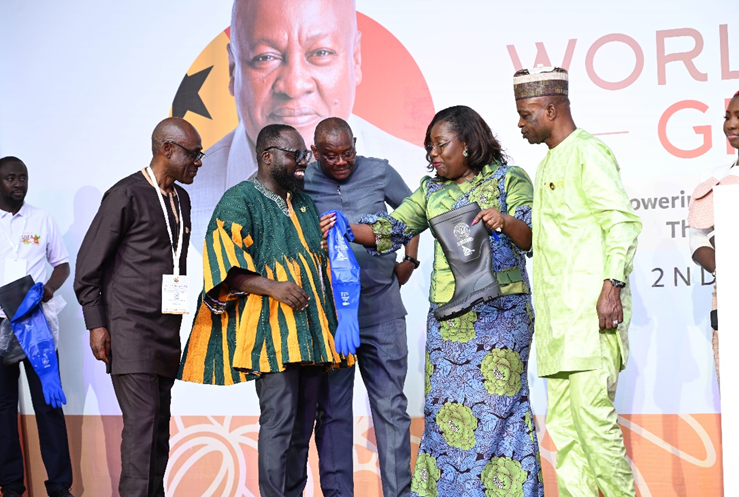
With its conclusion, Tamale’s role as host city extends beyond the three-day event. The partnerships, policies, and commitments forged during the Expo promise to leave a lasting legacy—not only for Ghana but for the entire African shea belt—anchoring shea firmly as a symbol of resilience, opportunity, and sustainable growth.
Latest Stories
-
I have no issue with John Boadu; we’ll work together – Justin Kodua
1 hour -
Adom FM Y2K Jam delivers a night of music, fashion and nostalgia
2 hours -
Lawrence Kobena Nsarko Otoo, Esq
3 hours -
Bel-Aqua intensifies mental well-being campaign ahead of 15th anniversary
3 hours -
From banking to party finances: Alfred Kwadwo Thompson elected NPP Treasurer
3 hours -
George Christian Papa Mends
3 hours -
Ali Suraj elected NPP NASARA Coordinator
3 hours -
Mustapha Hamid misses out on NPP Vice Chairmanship by 31 votes despite early poll lead
3 hours -
Kojo Bamba, Henry Nana Boakye and Nana Akomea elected NPP Vice Chairmen
4 hours -
From Delta Force to NPP First Vice Chairman – Kojo Bamba’s political journey
4 hours -
Police restore calm at Larteh following Odwira festival disturbance
5 hours -
‘All the camps will dissolve’ – Bawumia demands one NPP for 2028
5 hours -
There is no time to waste – Bawumia orders NPP to begin 2028 work
5 hours -
Sarkodie visits MobileMoney Fintech LTD
5 hours -
John Boadu unveils new NPP strategy to win back youth and modernise party
5 hours