


Audio By Carbonatix
The Deputy Minister for Energy and Green Transition, Richard Gyan-Mensah (MP), has thrown his weight behind nuclear energy as a vital component of the country’s power generation mix.
He said this is a decisive move to bolster Ghana’s long-term energy security.
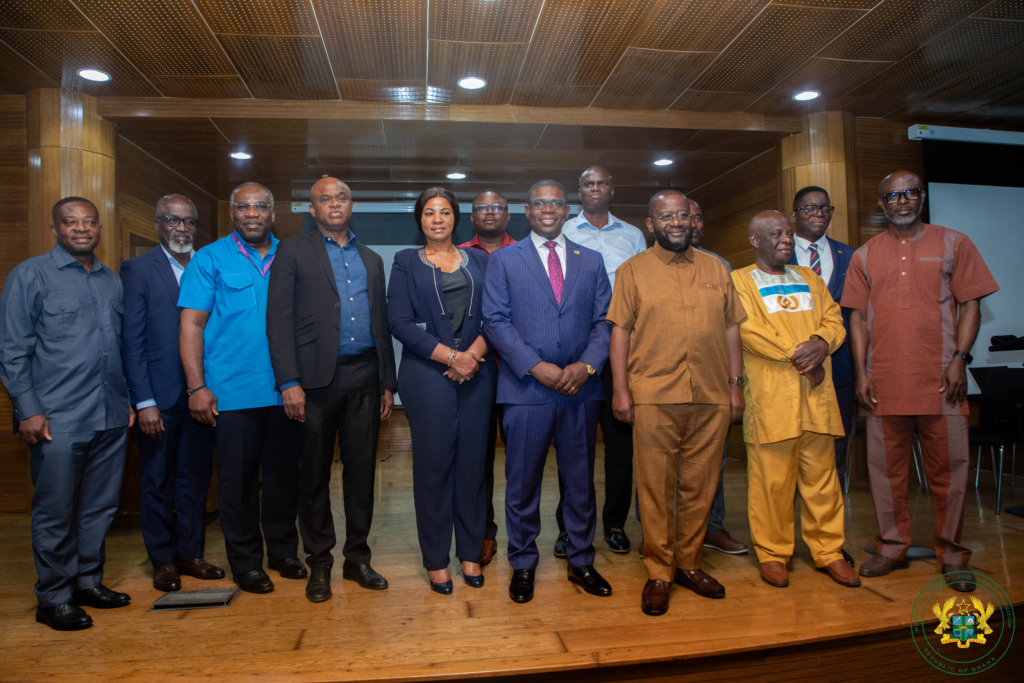
Addressing participants at a Stakeholders’ Engagement on the draft bill to establish Ghana’s Nuclear Power Company, under the auspices of the Ministry of Energy and Green Transition, he affirmed the government’s commitment to advancing nuclear power as a strategic national asset.
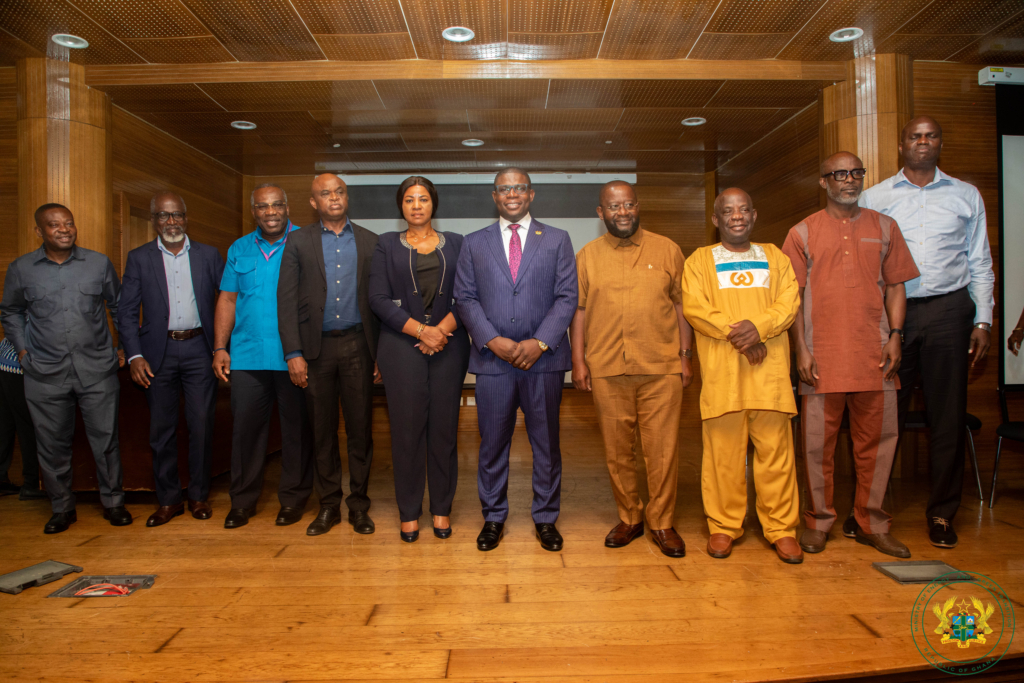
“Ghana’s energy demands are rising rapidly, and we must diversify our sources to ensure a stable and sustainable power supply. Nuclear energy is a strategic imperative. It offers base-load power to support industrialisation, low-carbon electricity to meet our climate obligations under the Paris Agreement, and enhanced energy security,” the minister stated.
He stressed that nuclear energy presents a clean, reliable, and efficient alternative that can substantially reduce Ghana’s dependence on fossil fuels while supporting national climate ambitions.
Highlighting the broader benefits, the Deputy Minister noted that nuclear power can generate large volumes of electricity with minimal greenhouse gas emissions, making it a critical tool in the fight against climate change.
He also reiterated the government’s unwavering dedication to upholding the highest international safety standards.
“The International Atomic Energy Agency (IAEA) has recognised Ghana’s strong commitment to nuclear development, and we are proud of the strides made under the Three-Phase Milestone Approach for newcomer countries,” he added. “Our decisions will be guided by science, data, and the best interests of the Ghanaian people.”
Mr. Gyan-Mensah reassured the public that the government is committed to transparency, accountability, and risk-informed planning. He emphasised that all appropriate safeguards would be implemented to protect the environment and public health.
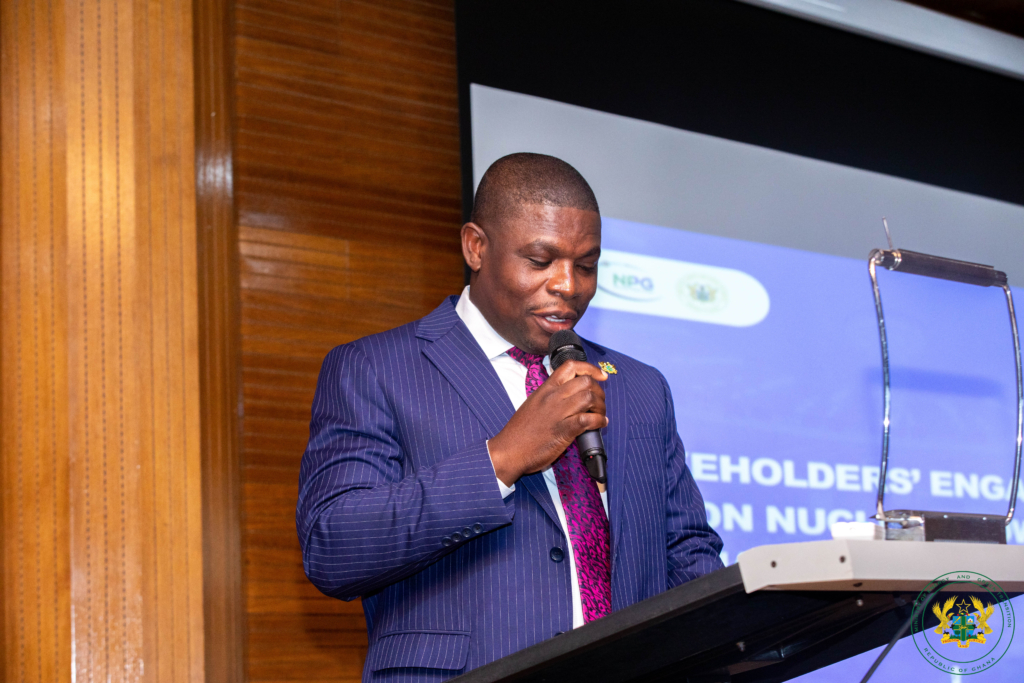
“We will continue to hold wide-ranging public consultations to ensure citizens’ concerns are heard and addressed,” he said.
The draft legislation is seen as a pivotal step towards establishing a comprehensive legal and institutional framework to drive Ghana’s peaceful use of nuclear energy in alignment with international standards.
Latest Stories
-
Trump administration moves to impose more than $100,000 fee for H-1B worker visas
11 minutes -
Oil prices steady as investors weigh impact of expanded US sanctions against Iran
2 hours -
Trump administration plans to revoke visas of foreigners seeking asylum
2 hours -
US appeals court considers reassigning case from judge over AI use
2 hours -
Trump bought shares in Elon Musk’s SpaceX in June, financial disclosure shows
2 hours -
MTN approves $375 million share buyback after profit rise
3 hours -
Ghana gold buyers went weeks without funds, sources say
3 hours -
Nevada sues to block Trump administration’s Colorado River plan
3 hours -
Tunisian hospital receives 19 bodies after migrant boat sinks
3 hours -
Oil drops more than $2 despite new US sanctions on Iran
3 hours -
Dangote refinery drives seven-fold rise in Nigeria petroleum product exports, EIA says
4 hours -
Zambia closes courts on last day to file election challenge
4 hours -
Nearly three million Teslas recalled in China over hidden door handles
4 hours -
China probes use of formaldehyde to keep cabbages fresh
4 hours -
Veteran Nollywood actor Taiwo Hassan ‘Ogogo’ dies at 65
4 hours