

Audio By Carbonatix
The Civil Service Council has praised the Ministry of Finance for what it describes as its pivotal role in stabilising Ghana’s economy, noting that recent developments point to stronger public sector leadership and improved economic management.
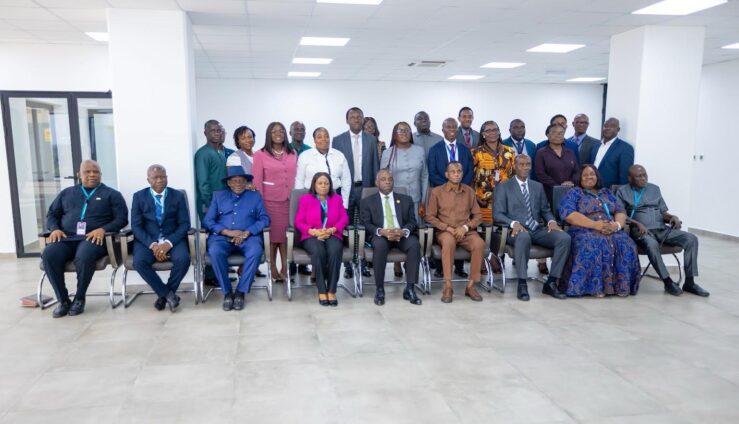
The commendation was made during a familiarisation visit by the Council to the Ministry, where discussions centred on economic recovery, institutional coordination, staff development, and operational challenges affecting ministries, departments and agencies.
Chairman of the Council, Dr Lawrence Akanweeke Kannae, commended officials of the Ministry for what he termed their resilience during a challenging economic period.
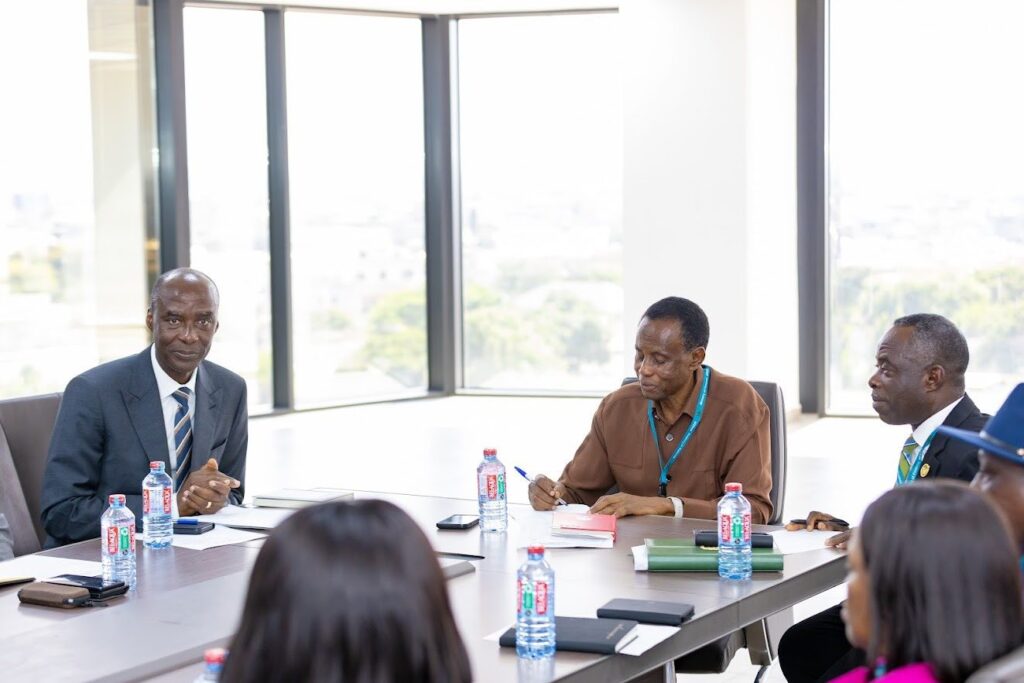
He said recent macroeconomic improvements, including the appreciation of the cedi against major currencies, were evidence of progress.
“You have demonstrated commitment and dedication at a very critical period for the country. The economy is responding positively, and many Ghanaians are beginning to regain confidence,” he stated.
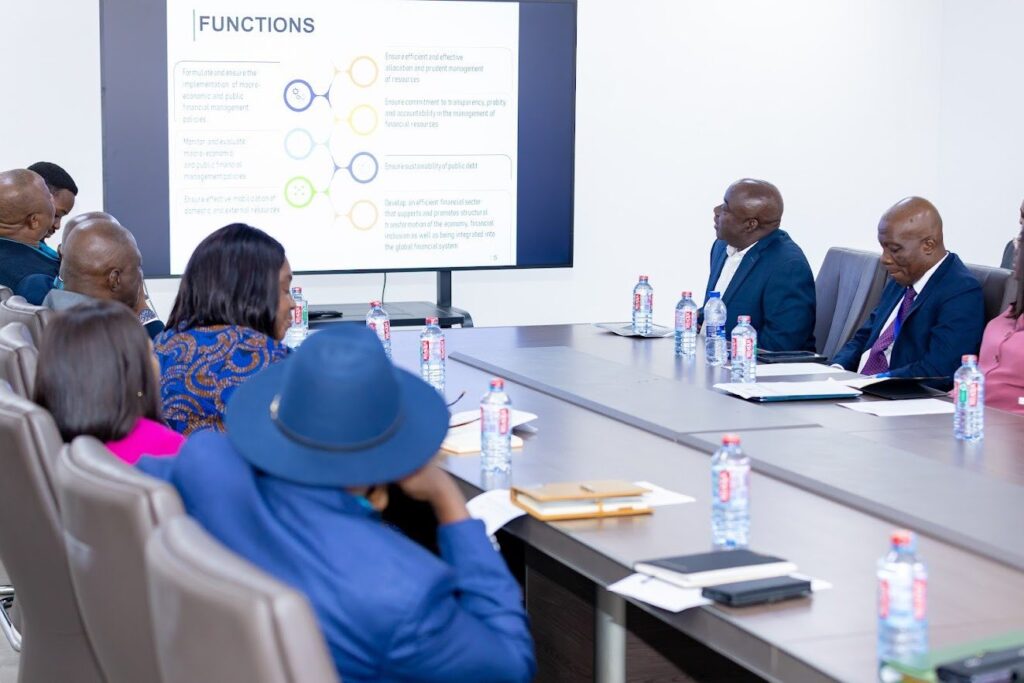
Dr Kannae urged the Ministry to maintain the momentum and deepen collaboration with other state institutions to ensure the success of the government’s broader economic reset agenda.
He added that sustained coordination and adequate logistical support across MDAs would be key to improving service delivery and strengthening public sector performance.
He further explained that the Council’s engagement formed part of a wider programme of visits aimed at identifying operational bottlenecks and enhancing efficiency within the Civil Service.
According to him, strengthening institutional capacity and improving inter-agency cooperation remain essential to effective governance and national development.
Responding on behalf of the Ministry, the Chief Director expressed appreciation for the Council’s continued support, noting that its role in human resource development and training has been instrumental in strengthening the Civil Service.
He highlighted the impact of recent fiscal reforms, particularly the Commitment Authorisation system, which he said has helped curb waste and improve expenditure control.
He also credited the leadership of the Finance Minister for steering reforms that are contributing to economic recovery and restoring confidence in public financial management.
According to him, ongoing reforms are designed to ensure greater discipline and efficiency in the use of public resources.
Dr Evans Aggrey-Darkoh, who also addressed the gathering, stressed the importance of continuous professional development for public servants, especially those working in technical ministries such as Finance.
He noted that engagements with institutions like the International Monetary Fund require high-level expertise and policy competence.
He described the Ministry of Finance as a central institution in shaping a resilient economy through policy direction aligned with national priorities.
He added that while progress has been made, sustained capacity building across the public sector remains essential to support private sector growth and long-term development.
The engagement also touched on flagship government programmes and gender-responsive budgeting, as part of efforts to deepen inclusive economic planning.
Members of the Civil Service Council present included Dr Esther Ofei-Aboagye, Kwame A. Tenkorang, Justice Agnes M.A. Dordzie, Charles Kwame Dondieu, and Dr Evans A. Dzikum, alongside directors and heads of units from the Ministry of Finance.
Latest Stories
-
Dr Kwabena Bempah Tandoh engages Mim market traders as Parliamentary campaign gathers momentum
3 minutes -
PURC keeps electricity and water tariffs unchanged for fourth quarter of 2026
10 minutes -
Ejisu Police release parents, arrest caretaker over missing five-month-old baby from Asafo Market
23 minutes -
AfCFTA needs efficient payment systems, borders and infrastructure to boost intra-African trade – Wamkele Mene
31 minutes -
Kow Essuman confident NPP will reclaim Ablekuma West ‘with a huge margin’
34 minutes -
Today’s front pages: Thursday, September 24, 2026
39 minutes -
EU launches ‘EU for a Secure Ghana’ project to tackle terrorism, organised crime and arms trafficking
39 minutes -
GPL 2026/27: Dreams denied first win as Medeama snatch dramatic late draw
48 minutes -
GFA petitions CAF to intervene over tickets for 500 supporters in Bouake
52 minutes -
PHOTOS: Black Stars train at Stade de la Paix ahead of Cote d’Ivoire clash
56 minutes -
Bright Ofori writes: Who should hold Africa’s at least two permanent seats on a reformed UN Security council?
1 hour -
BoG set to announce new policy rate amid Middle East pressures
1 hour -
Alan Kyerematen warns Ghana’s youthful population could become economic burden without jobs
1 hour -
Fund Accra-Kumasi Expressway with private capital, not state funds – Alan Kyerematen
1 hour -
Climate finance bureaucracy hurting vulnerable countries – Sierra Leone Minority Leader
1 hour