


Audio By Carbonatix
The Deputy Minister for Energy and Green Transition, Richard Gyan-Mensah (MP), has thrown his weight behind nuclear energy as a vital component of the country’s power generation mix.
He said this is a decisive move to bolster Ghana’s long-term energy security.
Addressing participants at a Stakeholders’ Engagement on the draft bill to establish Ghana’s Nuclear Power Company, under the auspices of the Ministry of Energy and Green Transition, he affirmed the government’s commitment to advancing nuclear power as a strategic national asset.
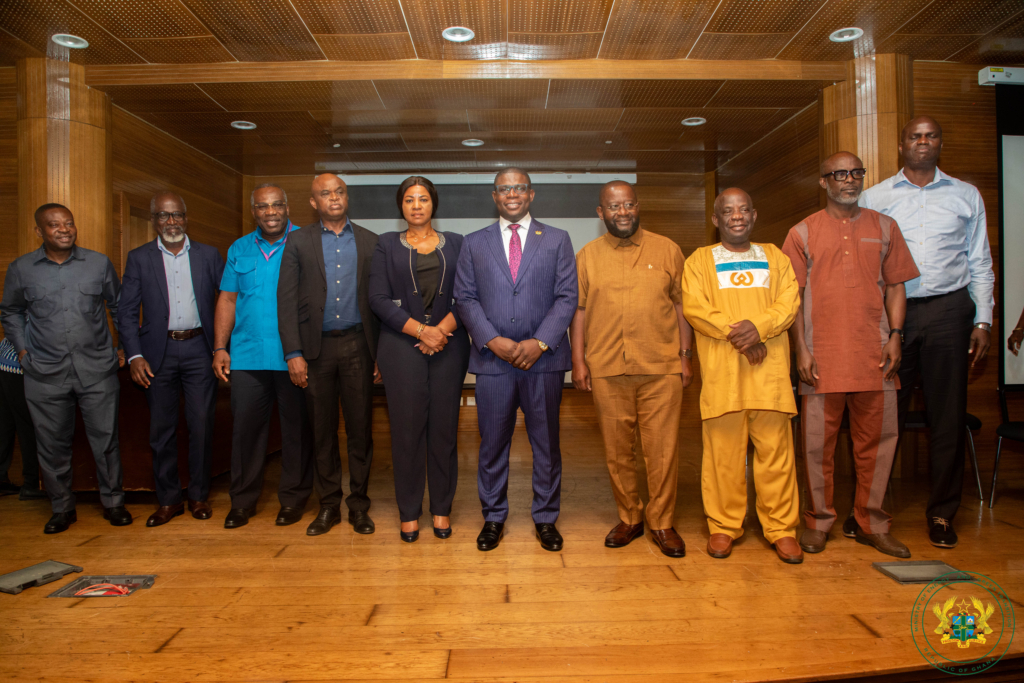
“Ghana’s energy demands are rising rapidly, and we must diversify our sources to ensure a stable and sustainable power supply. Nuclear energy is a strategic imperative. It offers base-load power to support industrialisation, low-carbon electricity to meet our climate obligations under the Paris Agreement, and enhanced energy security,” the minister stated.
He stressed that nuclear energy presents a clean, reliable, and efficient alternative that can substantially reduce Ghana’s dependence on fossil fuels while supporting national climate ambitions.
Highlighting the broader benefits, the Deputy Minister noted that nuclear power can generate large volumes of electricity with minimal greenhouse gas emissions, making it a critical tool in the fight against climate change.
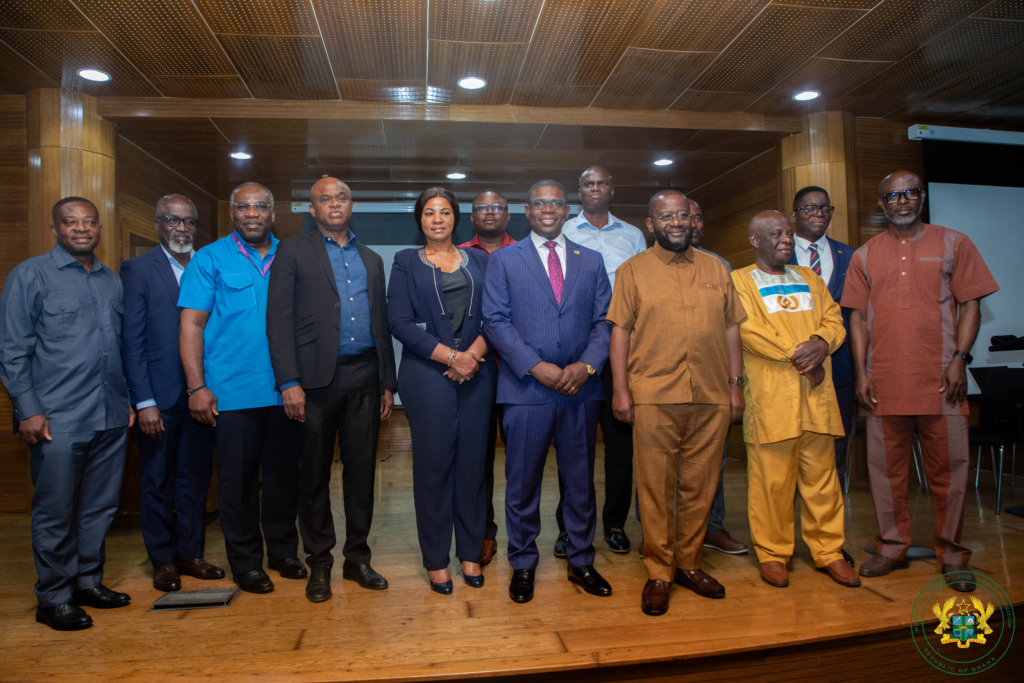
He also reiterated the government’s unwavering dedication to upholding the highest international safety standards.
“The International Atomic Energy Agency (IAEA) has recognised Ghana’s strong commitment to nuclear development, and we are proud of the strides made under the Three-Phase Milestone Approach for newcomer countries,” he added. “Our decisions will be guided by science, data, and the best interests of the Ghanaian people.”
Mr. Gyan-Mensah reassured the public that the government is committed to transparency, accountability, and risk-informed planning. He emphasised that all appropriate safeguards would be implemented to protect the environment and public health.
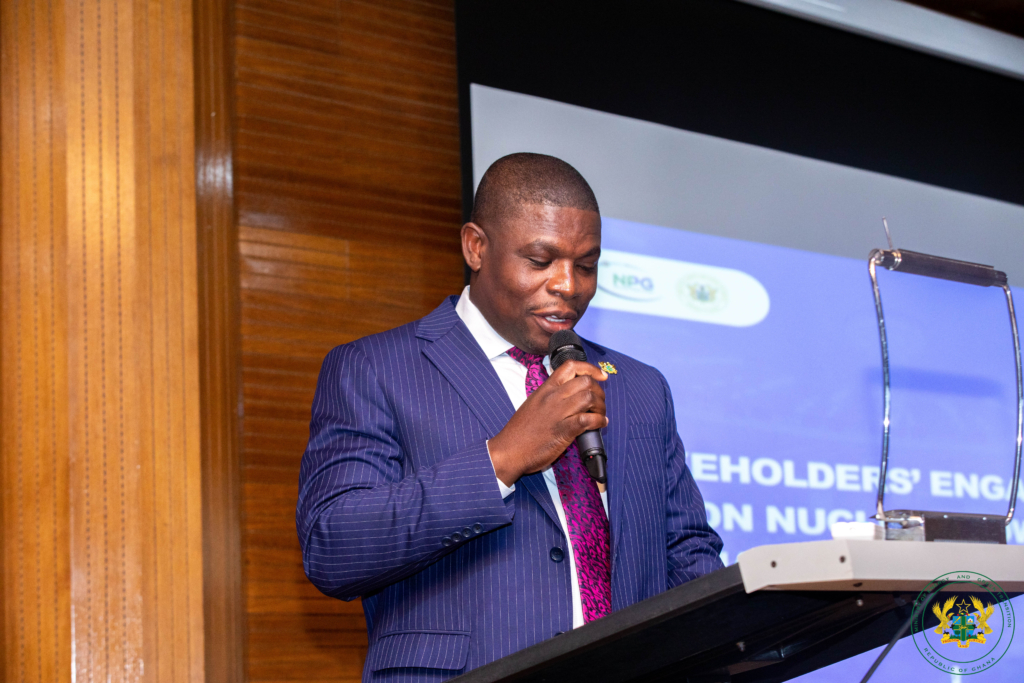
“We will continue to hold wide-ranging public consultations to ensure citizens’ concerns are heard and addressed,” he said.
The draft legislation is seen as a pivotal step towards establishing a comprehensive legal and institutional framework to drive Ghana’s peaceful use of nuclear energy in alignment with international standards.
Latest Stories
-
Turning invitations into arrests is making citizens reluctant to assist police – Twumasi Ankrah
12 minutes -
The Traffitech-GH SMS spot-fine system: The good, the sad, and the funny – Bright Simons writes
24 minutes -
Hawa Koomson pledges experienced and mature leadership of NPP women’s wing
2 hours -
Young woman found dead at Kasoa Peace Town
2 hours -
Playback: The Law examined lawful arrest in Ghana
2 hours -
Mahama urges African governments to treat healthcare as an investment, not budget cost
3 hours -
Bawumia congratulates John Boadu and new NPP executives, pledges support ahead of 2028
3 hours -
Aksa Energy delegation pays courtesy call on GRA Commissioner-General
3 hours -
‘No talent should be left out’ – Bawumia pledges inclusive NPP campaign for 2028
3 hours -
Prof. Mike Oquaye recounts how he blocked the Special Prosecutor’s attempt to arrest Bawku Central MP
3 hours -
Make health sovereignty a priority for Africa – Mahama
4 hours -
Dorimon Naa, Wa West DCE lead massive clean-up exercise; threaten sanctions against recalcitrant residents
4 hours -
Photos from Adom FM Y2K Jam
4 hours -
Praye Tiatia steals the show at Adom FM Y2K Jam [Watch]
4 hours -
Boakye Agyarko congratulates John Boadu, pledges support for NPP leadership
4 hours