

Audio By Carbonatix
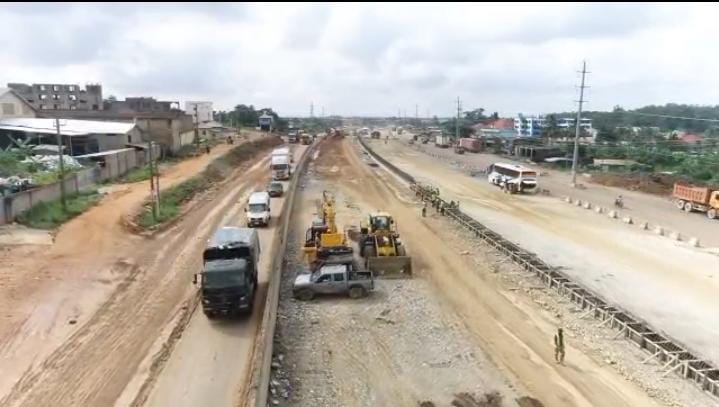
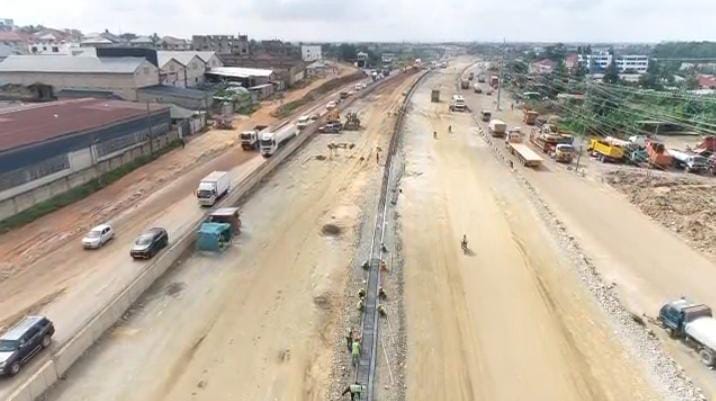
Drivers and residents along the Nsawam–Medie road are warning of a potential disaster, saying small culverts installed under the Nsawam and Medie bridges could trigger persistent flooding, even after the long-awaited road construction is completed.
“Whenever it rains, the area floods and we are left in mud because of the small culverts and poor drainage,” a concerned resident told MyJoyOnline.
The Nsawam–Medie road, a key link connecting parts of the Eastern Region, has been under extensive reconstruction, earning praise from commuters eager for a smoother ride.

But locals say the culverts currently being installed are too narrow to handle the massive volume of water that flows through the area during heavy rainfall.
“Since construction isn’t finished, they should replace these small culverts with bigger ones. If not, even after the bridge is completed, flooding will continue and undo the contractors’ hard work, creating more problems for us residents,” a driver lamented.
Recurring Floods Threaten Road and Safety
Each time it rains, overflowing water from the undersized culverts turns the surroundings muddy, slows traffic, and forces pedestrians and traders to wade through slippery, unsafe conditions. Residents fear that ignoring the problem could not only damage the newly constructed road but also increase the risk of accidents and disrupt daily commerce.
Urban planning and civil engineering experts often stress that proper drainage is as important as the road itself. Narrow culverts restrict water flow, causing upstream accumulation and eventual spillage onto the road surface—a common issue in Ghana during the rainy season. Without corrective action, this could negate the benefits of government investment in the infrastructure project.
Calls for Immediate Action
Drivers and community members are urging the government and contractors to address the culvert issue before the project is completed.
Residents insist that replacing the small culverts with larger, adequately designed structures now is the only way to ensure the road’s long-term durability and safety.
“If the government wants the road to last and prevent flooding, they must act before it’s too late,” a trader said, highlighting concerns over both economic and safety impacts.
Looking Ahead
The Nsawam–Medie stretch is vital for commuters and commercial transport alike, connecting multiple districts in the Eastern Region.
Proper drainage solutions could prevent recurrent flooding, ensure smoother traffic flow, and protect investments in infrastructure.
Residents hope authorities will heed the warning, demonstrating proactive governance that safeguards both infrastructure and lives.
Latest Stories
-
Mobile Money Fintech LTD, UMB train hairdressers and beauticians
45 minutes -
Asylum votes show people want help, says Kemi Badenoch
2 hours -
Badenoch welcomes expanded grooming gangs inquiry
2 hours -
GACL MD sues Samuel Buabeng over alleged Facebook defamation
2 hours -
Christa Pike in critical condition after surviving two lethal injections, lawyer says
2 hours -
Kemi Badenoch backs face covering ban at protest
2 hours -
Man City not ‘above the rules’, says No 10 after backlash to Burnham remarks
2 hours -
Real Madrid submit ‘substantial’ dossier in Barca payments case
3 hours -
Messi completes purchase of second Spanish club
3 hours -
Government must engage horticulturists on tomato crisis – GhIH
3 hours -
King Promise’s ‘Can’t Tame Us’ becomes official Chelsea anthem
3 hours -
Afenyo-Markin demands Baffour Awuah’s release from EOCO’s custody, end to alleged political intimidation
3 hours -
Rapper Rick Ross arrested on domestic violence charges
3 hours -
Minority demands security review of Ghana-Colombia visa waiver and port deals
3 hours -
Pursue drug kingpins, not persecute political opponents – Afenyo-Markin tells EOCO
3 hours