

Audio By Carbonatix
President of the Ghana Tourism Federation (GHATOF), Mr Charles Adu-Gyamfi, has called for a bold and united commitment to transform Ghana’s tourism sector sustainably, stressing that the industry must deliver not just beauty and leisure, but jobs, inclusivity, resilience, and preservation of heritage.
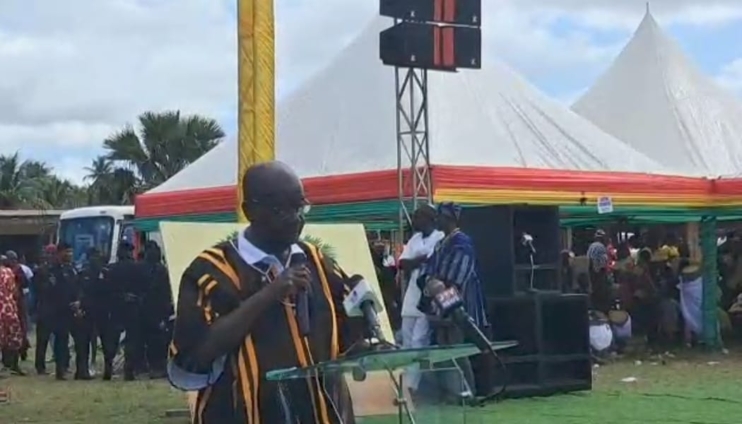
He delivered the solidarity message during the 2025 World Tourism Day celebration, which coincided with the vibrant Somètutuza Festival at Agbozume in the Ketu South Municipality. The global day was marked under the theme “Tourism and Sustainable Transformation.”
Tourism as a Force for Good
Mr Adu-Gyamfi emphasised that tourism is far more than “the movement of people or images of beautiful places.” When managed responsibly, he said, it becomes a powerful driver of social good—transforming communities, strengthening economies, conserving the environment, and promoting cross-cultural understanding.
“Tourism preserves our heritage, boosts local livelihoods, strengthens national identity, and fosters international understanding. But transformation is not automatic—it requires intentional action, wise governance, community participation, and sustainable practices,” he stressed.
Ghana’s Strengths and Challenges
He highlighted Ghana’s many tourism assets, including its UNESCO World Heritage forts and castles, traditional festivals, beaches, forests, wildlife parks, and creative industries. Landmark initiatives such as the Black Star Experience, Beyond the Return, and regional tourism promotions, he said, have already opened new opportunities for local communities.
However, he acknowledged persistent challenges, including environmental degradation, climate change, poor infrastructure, limited air connectivity, skills shortages, particularly among youth, and the difficulty of ensuring that tourism benefits reach rural communities as much as major urban centres.
Six Pillars of Sustainable Transformation
Mr Adu-Gyamfi outlined six core areas that must anchor Ghana’s tourism transformation:
- Environmental Stewardship – Safeguarding forests, coasts, wetlands, and heritage sites through strict conservation laws, renewable resource use, waste management, and eco-friendly transport.
- Inclusive Economic Opportunities – Expanding decent jobs and entrepreneurship, especially for women, youth, rural communities, artisans, SMEs, and tour guides.
- Preserving Culture and Identity – Ensuring Ghana’s diverse cultures, arts, and traditions are protected from over-commercialisation and respected in their authenticity.
- Infrastructure and Connectivity – Investing in roads, energy, clean accommodations, digital access, and strong air links to unlock lesser-known tourism regions.
- Responsible Investment and Partnerships – Attracting domestic and foreign investment that respects communities and ecosystems, while fostering public-private and traditional authority partnerships.
- Resilience and Climate Action – Building risk management plans, disaster preparedness, eco-friendly designs, and climate adaptation into tourism development.
A Call to Action
The GHATOF President urged all stakeholders—government agencies, private sector players, traditional leaders, local communities, civil society, and international partners—to join hands in reshaping Ghana’s tourism story.
“Let us strengthen policies that promote sustainability. Let us invest in training and skills, especially for youth and community-based tourism enterprises. Let us ensure that every tourism project considers environmental impact, cultural sensitivity, and equitable benefits,” he said.
He further called for innovation and digital technology to improve visitor experiences and operational efficiency, while positioning Ghana as a model of sustainable tourism in Africa.
Vision for the Future
Mr Adu-Gyamfi expressed confidence that Ghana can emerge as a global example of how tourism can be both profitable and responsible.
“I believe Ghana can become a model of sustainable tourism in Africa: where visitors come not only for what we have but leave with respect for what we stand for; where our natural and cultural resources are safeguarded; and where all citizens, even in remote villages, feel the benefits of tourism,” he declared.
The solidarity message drew applause from participants at the Somètutuza Festival, who hailed the President’s vision of a tourism industry that is inclusive, environmentally responsible, and resilient against future shocks.
As Ghana joined the world in marking World Tourism Day, his words reinforced the urgency of transforming tourism, not only sustainably, but justly and inclusively, so that present and future generations can share in its promise.
Latest Stories
-
NPP orders parliamentary aspirants and their supporters to suspend campaign activities
25 minutes -
Techiman unites against child marriage: Joy Impact Makers Awardee leads charge on International Day of the Girl Child
37 minutes -
Ghana Psychological Association calls for greater involvement of people with lived experience in mental health care
2 hours -
Ablakwa says Ghana could evacuate more citizens from South Africa if the situation worsens
2 hours -
Violence against girls must be tackled through individual responsibility – Gender advocate
2 hours -
Ghana’s BRICS bid must be guided by national interest – International Affairs Analyst
2 hours -
Journalists look back on a decade of breast cancer reporting in Ghana
3 hours -
President Mahama ends Resetting Ghana tour of Ahafo Region
5 hours -
African negotiators seek delivery of climate commitments at COP31
5 hours -
BoG develops AI rules for financial sector
5 hours -
‘Big Push’: Government assures contractors of prompt payments
5 hours -
Court fines miner for breaking into gold buying shop
5 hours -
Tarkwa court jails labourer for three years over GH¢123,000 theft
6 hours -
GAEC must retain nuclear scientists for Ghana’s nuclear ambitions – Minister
7 hours -
Man reportedly mistaken for game and shot by hunter dead in forest
7 hours