

Audio By Carbonatix
Ghanaians have been advised to use alternative food packages in replacement of single use plastics to cut down on the huge pollution of plastics in the country and avert its health implications.
Mr Emmanuel Ohene Atiemo, Chairman of the Development and Social Services (DSS) of thePresbyterian Church of Ghana, Redemption Congregation, Tema Community Nine, gave the advice on the Church’s “Health Sunday."
Mr Atiemo who is also a Presbyter, speaking on the theme; "The effect of plastics on our health and the environment," said the use of plastics for packaging of food could lead to many health implications like cancers, kidney, and liver related diseases, among others.
He explained that plastics were made from petrochemicals and colourants; and “when food is packaged in them, the toxic chemicals they contain will get leached into the food.”
He said the most dangerous part of using plastics in Ghana was when hot food was put in plastics and when plastics were used to microwave food, saying, that increased the leaching process and contamination of the food.
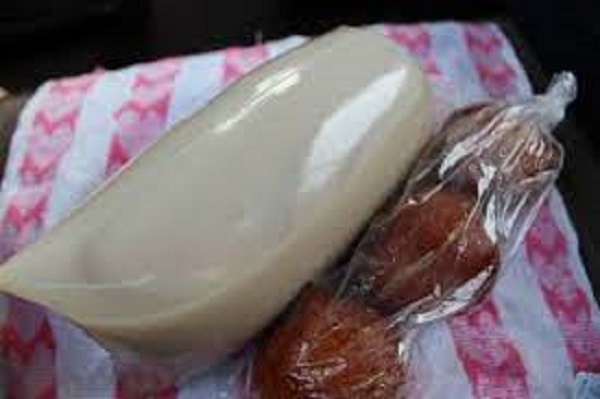
He said even though it was a normal practice to see various foods wrapped in plastics, including hot porridge, soup, banku, and rice, it was about time “Ghanaians do away with its usage and replace it with alternatives.”
The DSS Chairman indicated that another dangerous packaging method was the use of Styrofoam containers, popularly known as ‘takeaway containers,’ explaining that they were also hazardous to human health as they contained toxic substances that also leaked into food.
He said that apart from the health implications, the use of such plastics, which were not well disposed of, also posed environmental challenges as it took at least, 400 years for single-use plastics to decay.
Mr Atiemo encouraged Ghanaians to go back to the olden days when ceramics, bottles, leaves, and papers were used for packaging food, as those healthier.
He said measures must also be taken to make the use of plastic expensive, stating that in some countries, one had to pay more to get access to plastic carrier bags from the shop, unlike Ghana, where large quantities of plastic are given to buyers whenever they visit the market.
Latest Stories
-
Ghana’s research fund faces a test of turning funding promises into scientific breakthroughs
59 seconds -
Dîner en Blanc Accra returns on December 28 for second edition
4 minutes -
David Selassie Anthony declares bid for NDC Deputy National Organiser
2 hours -
Amin Adam proposes 13 measures to strengthen Ghana’s debt transparency and market confidence
2 hours -
Mahama announces $2bn annual investment to accelerate industrialisation
2 hours -
Amin Adam urges monthly disclosure of Sinking Fund as Ghana prepares for DDEP repayments
2 hours -
Stronger banks will fuel business growth and jobs – ADB MD
2 hours -
Galamsey: ‘Rivers that fed our grandparents now run the colour of chocolate milk’ – Sam Jonah
2 hours -
We have been scammed by NDC, government is only doing PR – Abanga Fuseini
2 hours -
Republic Bank–JoyNews Habitat Fair opens in Ho today
2 hours -
Dr Boako challenges government over new digital tax
2 hours -
BoG pledges stability to attract investment, urges stronger Africa–Asia partnerships
2 hours -
Amin Adam warns treasury bill dependence could expose Ghana to refinancing risks
2 hours -
Ghana better placed to withstand commodity price shocks – IMF
2 hours -
GAPTE intensifies efforts to increase bus availability for Aayalolo contra-flow
2 hours