

Audio By Carbonatix
Ghana’s insurance industry has urged the public to prioritise insurance as a critical protection mechanism against unexpected disasters, following the recent floods that caused destruction in parts of the country.
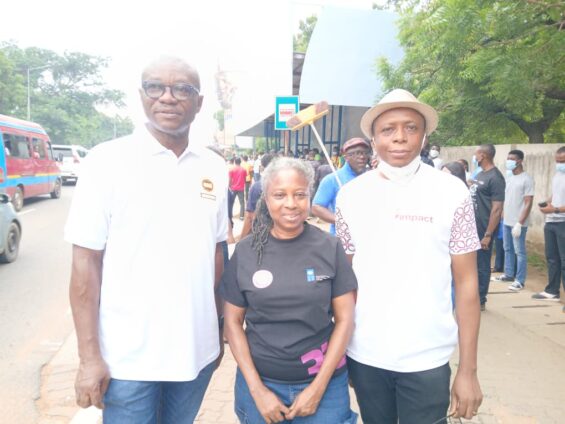
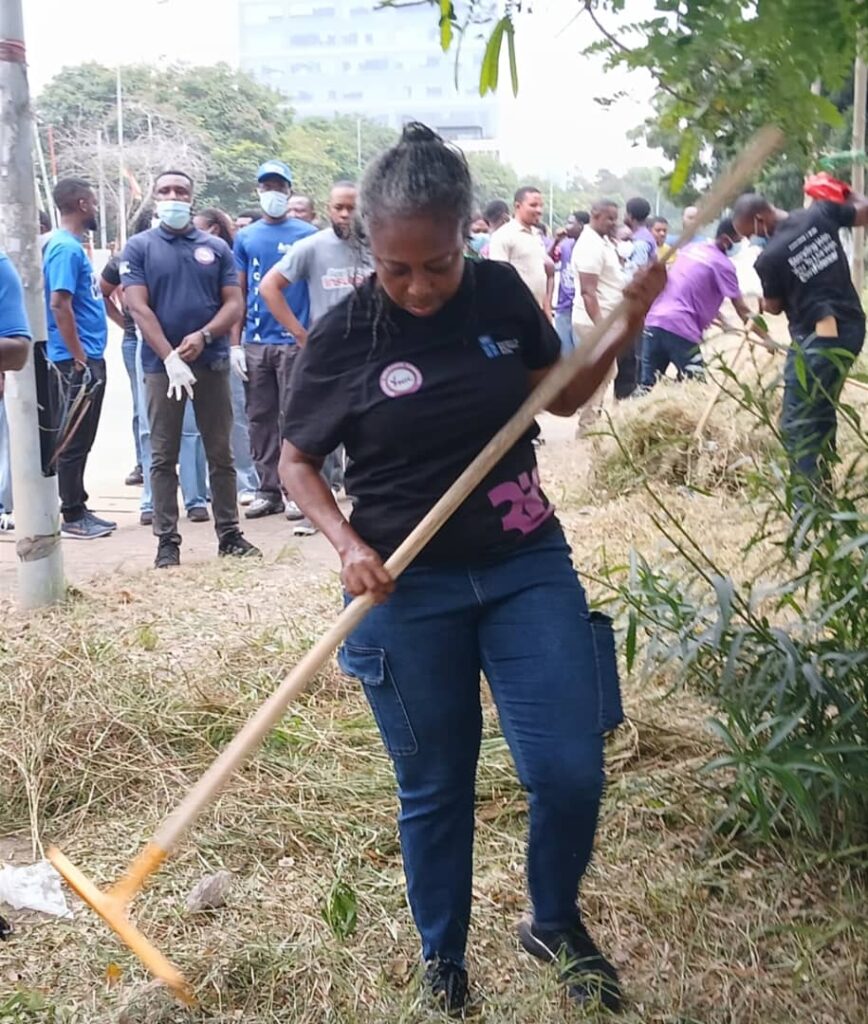
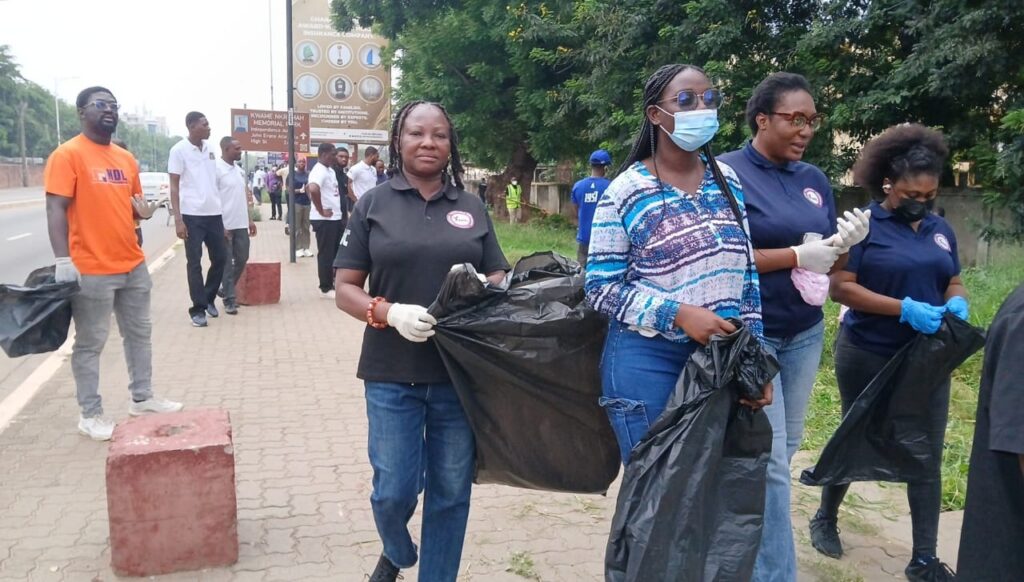
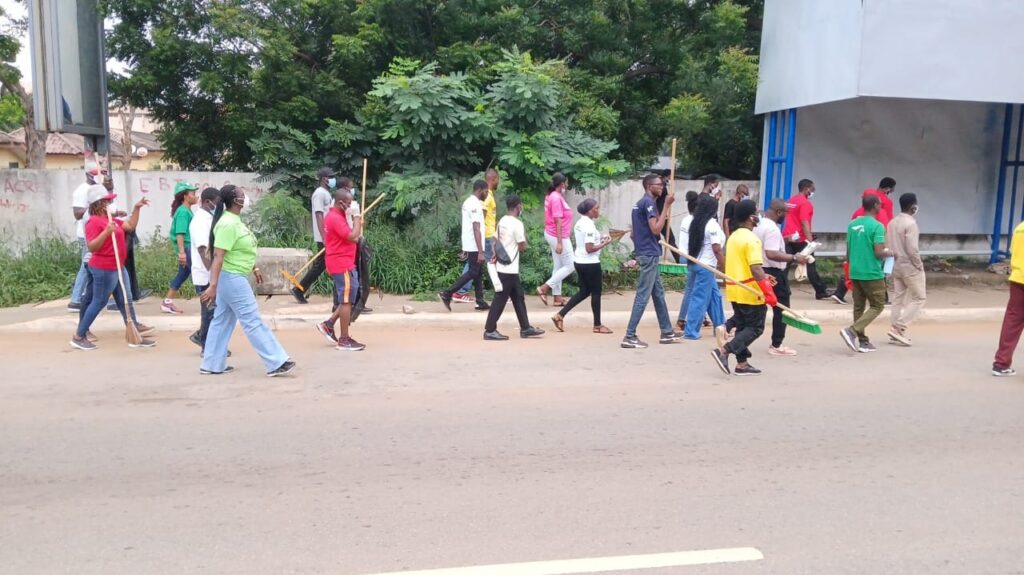
The call was made during the insurance industry’s participation in the national flood clean-up exercise held on Friday, July 10, 2026, around the Ako Adjei Interchange and the Ghana Immigration Service Headquarters in Accra.
The exercise formed part of the two-day nationwide flood aftermath clean-up initiative directed by President John Dramani Mahama.
Speaking during the exercise, the Acting Commissioner of Insurance at the National Insurance Commission (NIC), Dr Abiba Zakariah, said insurers have a responsibility not only to compensate affected policyholders but also to promote preventive measures that reduce losses.
“We have a job to help people to protect them when they suffer losses, but most importantly also to guide them so that they don't even suffer the losses in the first place,” she said.
Dr Zakariah disclosed that the insurance industry is putting measures in place to ensure that individuals and businesses affected by the recent floods who have insurance cover receive prompt support.
“For those who are insured, we are setting up special desks so that they can come to us and we can respond quickly to them. We will compensate them and the compensation will come quickly and fast enough so that they can recover their losses and move on,” she assured.
She encouraged Ghanaians to reconsider their perception of insurance, stressing that it should not be viewed as a luxury but as an important financial safety net against unforeseen circumstances.
“For those who do not have insurance, our plea is that people should remember that insurance is not for those who have a choice or those who can afford it. Insurance is a prevention and a protection mechanism when one suffers from uncertainty and eventuality; things you didn't know about and you didn't prepare for do happen,” she explained.
Dr Zakariah added that insurance operates on the principle of collective support, where contributions from many people help those who suffer losses recover.
“Just as we all come together to support each other when we suffer a challenge, insurance is the way we do it: we all come together to contribute our small quota so that when people suffer certain mishaps, we can support them,” she added.
She said the industry would introduce practical measures to improve insurance awareness and encourage more Ghanaians to take up policies that protect their lives, properties and businesses.
The Acting Insurance Commissioner also extended condolences to families affected by the floods and commended participants who joined the clean-up exercise.
“We are praying that next time we will be more prepared as a nation, as a people, and as individuals before the rains come,” she said.
The Managing Director of Ghana Reinsurance PLC, Seth Kobla Aklasi, also rejected claims that insurance companies are unwilling to honour claims.
According to him, the industry has improved significantly, with companies now competing on efficiency and speed in claims payment.
“These days, some people think that insurers do not pay claims, but this is not true, as insurers are competing more on who pays their claims quicker than the other when a claim is made,” he stated.
Mr Aklasi urged property owners to insure their homes and businesses, explaining that the cost of insurance is relatively small compared to the value of protection provided.
“If you have an asset worth a million cedis, you're just paying about GH¢2,000 for 12 months to cover it. In times like this that we do have floods and then people's fence walls are falling over, you could easily get compensated as a result of that minimal amount that you have paid to an insurance company,” he said.
The Managing Director and Chief Executive Officer of Impact Life Insurance, Gideon Ataraire, said the recent floods should encourage individuals, organisations and communities to plan instead of reacting only after disasters occur.
“Why are we always thinking about this after the event? Maybe this is a lesson for us to plan against floods in 2027 because we know there's going to be another rainy season,” he said.
He called for greater responsibility from individuals, businesses and communities in preventing future disasters.
“Clean up your area as a street, clean up as an organisation, help your employees and direct your CSR to the members of the public, especially in the areas where you work,” he added.
Mr Ataraire said stronger collaboration among citizens, businesses and government would be essential in reducing the impact of flooding and other disasters.
He stressed that with proper planning and collective action, the country could better manage recurring flood challenges.
Latest Stories
-
Mobile Money Fintech LTD, UMB train hairdressers and beauticians
50 minutes -
Asylum votes show people want help, says Kemi Badenoch
2 hours -
Badenoch welcomes expanded grooming gangs inquiry
2 hours -
GACL MD sues Samuel Buabeng over alleged Facebook defamation
2 hours -
Christa Pike in critical condition after surviving two lethal injections, lawyer says
2 hours -
Kemi Badenoch backs face covering ban at protest
2 hours -
Man City not ‘above the rules’, says No 10 after backlash to Burnham remarks
3 hours -
Real Madrid submit ‘substantial’ dossier in Barca payments case
3 hours -
Messi completes purchase of second Spanish club
3 hours -
Government must engage horticulturists on tomato crisis – GhIH
3 hours -
King Promise’s ‘Can’t Tame Us’ becomes official Chelsea anthem
3 hours -
Afenyo-Markin demands Baffour Awuah’s release from EOCO’s custody, end to alleged political intimidation
3 hours -
Rapper Rick Ross arrested on domestic violence charges
3 hours -
Minority demands security review of Ghana-Colombia visa waiver and port deals
3 hours -
Pursue drug kingpins, not persecute political opponents – Afenyo-Markin tells EOCO
4 hours