

Audio By Carbonatix
More than 40,000 people applied to participate in two digital media competitions held at the 2026 International Festival of Youth in Ekaterinburg, Russia.
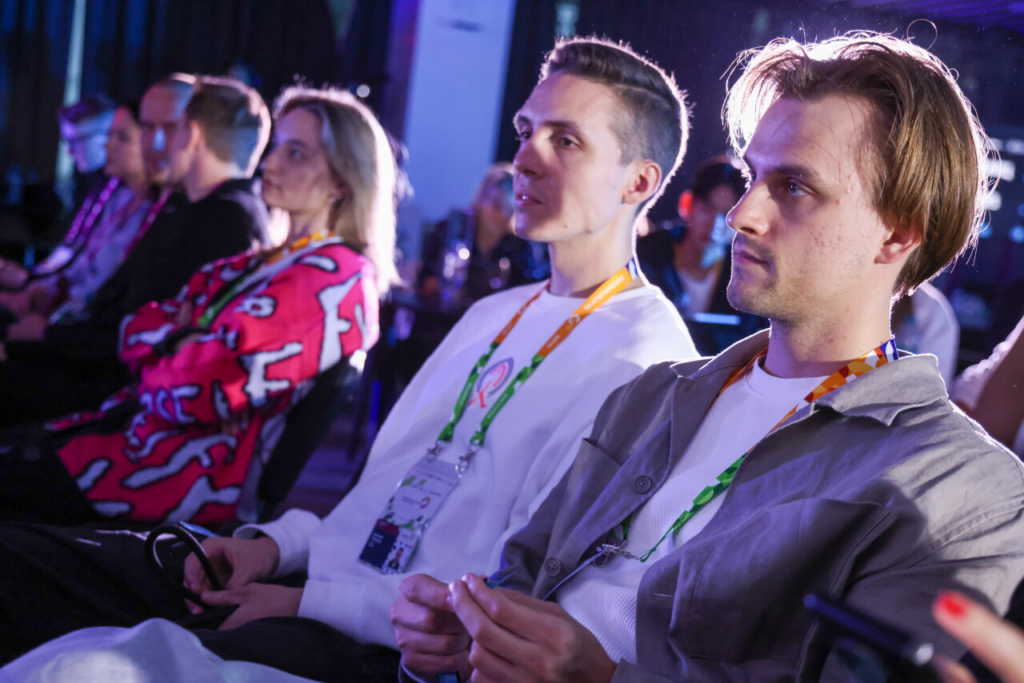
The First Neurocontent Cup and the Anti-Fake Championship tested participants’ ability to create content using artificial intelligence and identify fabricated or manipulated digital material.
About 200 finalists including young Africans participated in the competitions at the Ekaterinburg-EXPO venue on the opening day of the festival.
While contestants in the Neurocontent Cup worked in teams to produce AI-generated videos within a limited period, participants in the Anti-Fake Championship individually examined news reports, social media posts, photographs and videos to determine their authenticity.
Mikhail Gusev, Marketing Director of the Presidential Platform “Russia – the Country of Opportunities”, said the two competitions reflected complementary aspects of digital literacy.
“Participants in the First Neurocontent Cup created meaningful and constructive content, while finalists in the Anti-Fake Championship fact-checked information, recognised manipulation and separated facts from fiction,” he said.
“In essence, these are two sides of the same digital literacy: creating something new and not taking everything you see on a screen on faith.”
AI content competition
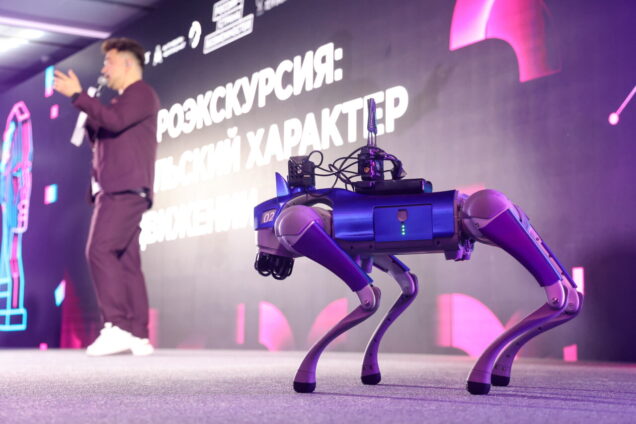
Contestants in the First Neurocontent Cup produced videos based on two themes: “Neuroexcursion: Ural Character in Motion” and “Fairy Tales Without Borders”.
Under the Neuroexcursion category, teams used generative graphics to animate works by artists and craftspeople from the Ural region, combining traditional art with modern digital technology.
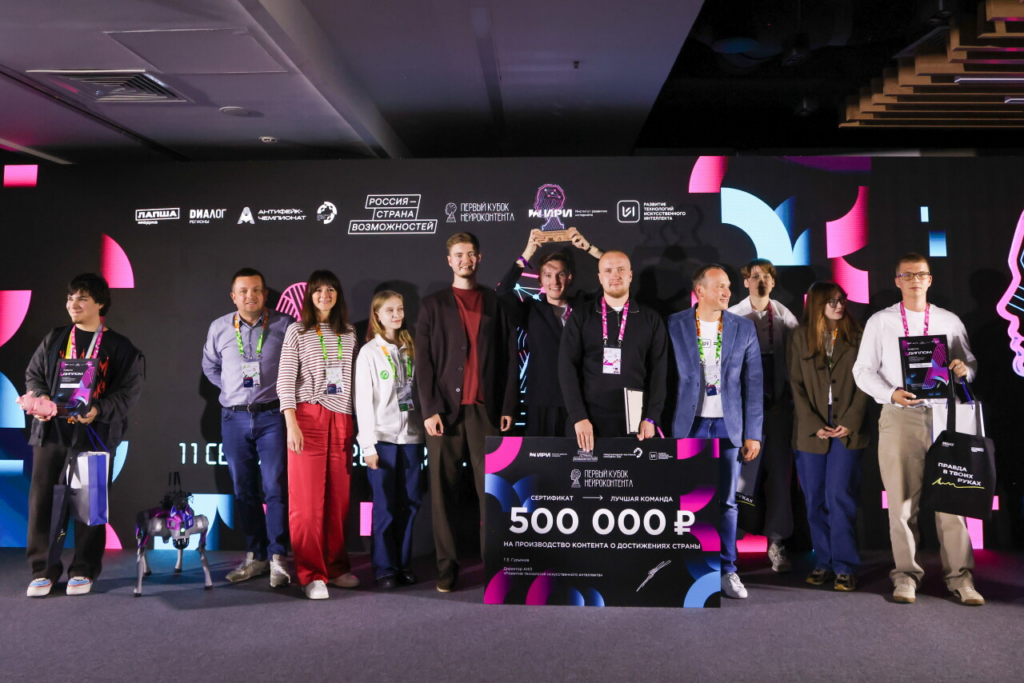
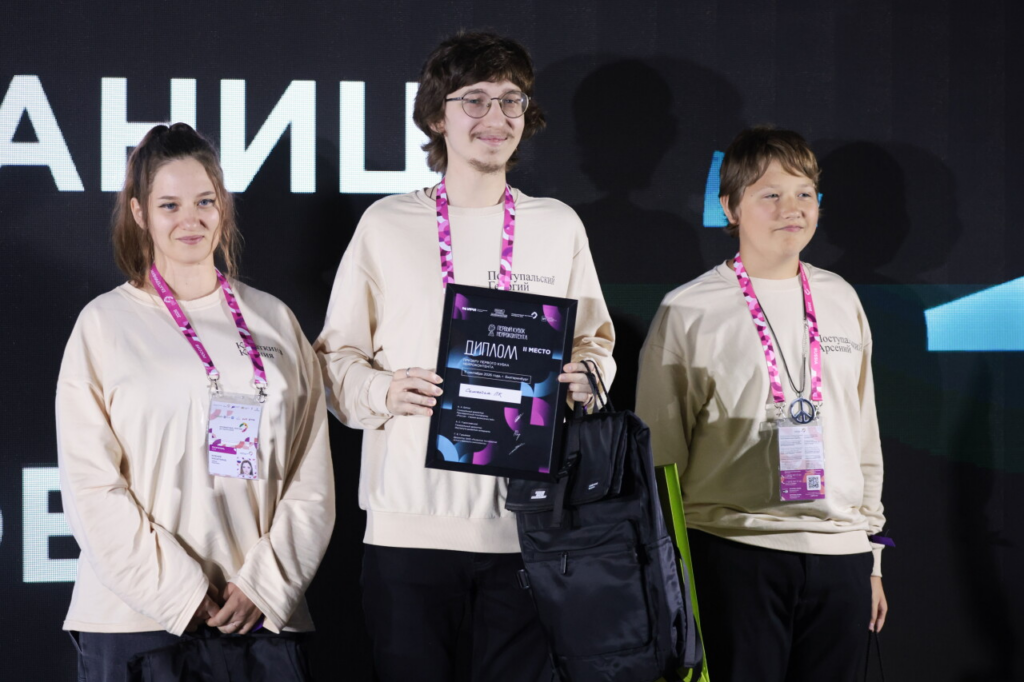
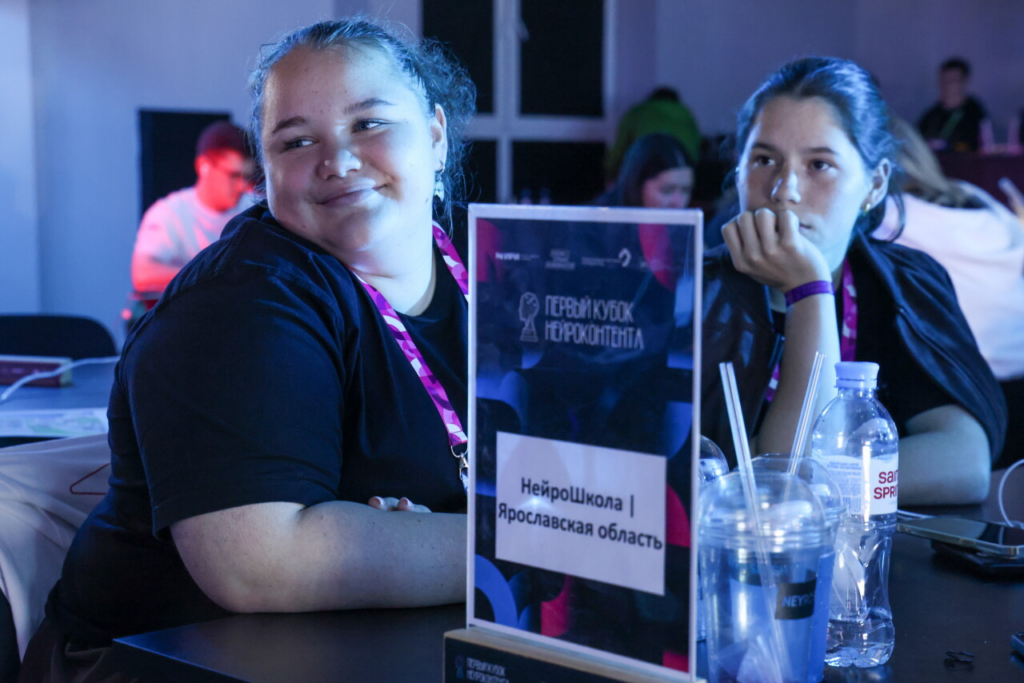
The KRASAVIN AI STUDIO team from Moscow emerged as the winner of the category. Neuro School from Yaroslavl placed second, while Alexey Mazikhin and Anastasia Otinova from Perm finished third.
In the Fairy Tales Without Borders category, contestants created videos featuring characters from the traditions of different peoples meeting at the festival or working together to overcome challenges.
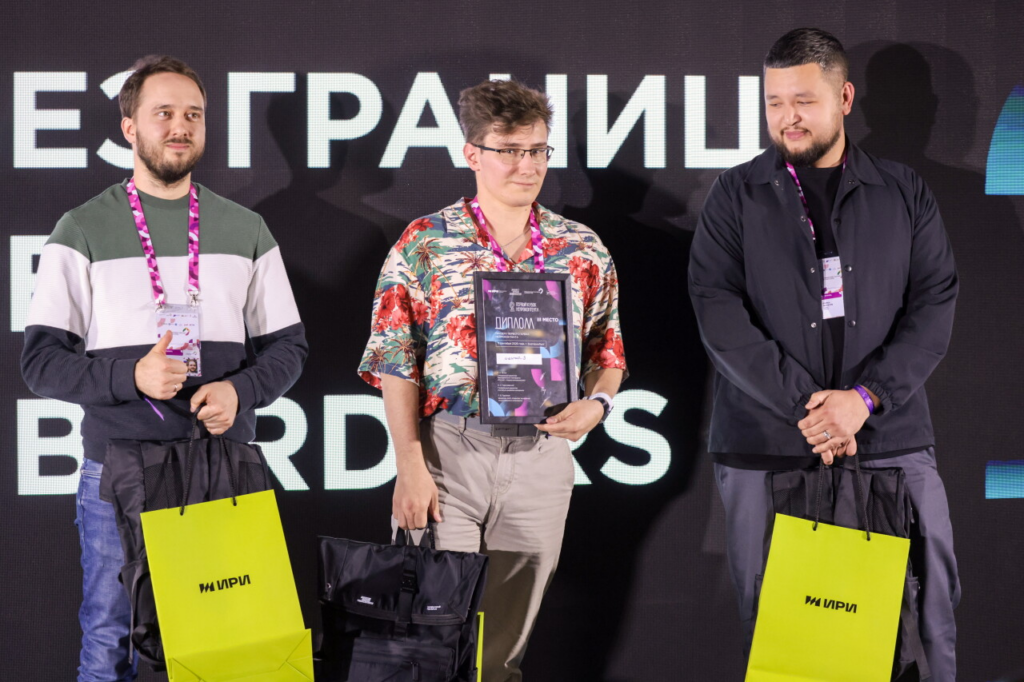
The KMG team from Moscow won the category, followed by the Semeyka PK team from the Khanty-Mansi Autonomous Okrug and Moscow’s NEURO 3 team.
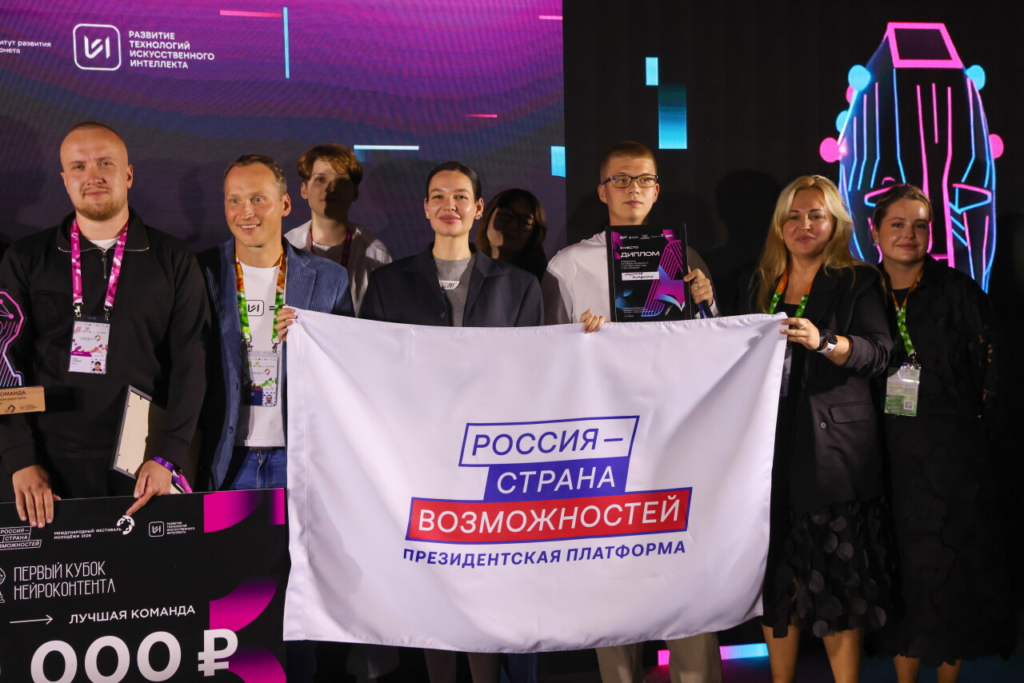
The winning team received a 500,000-ruble contract from the Development of Artificial Intelligence Technologies organisation to produce socially relevant content.
The entries were assessed on creativity, originality, audiovisual quality, technical execution, effective use of AI, potential for online distribution and the coherence of the finished product.
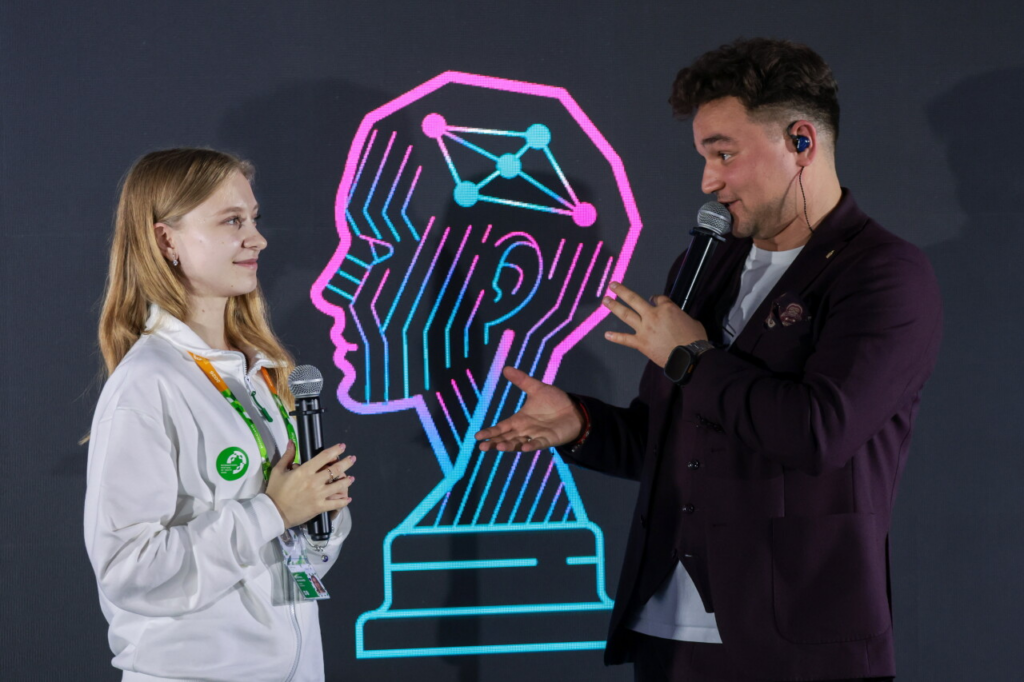
Director of the Development of Artificial Intelligence Technologies, Gennady Guryanov, said the competition had been added to the Shanghai Cooperation Organisation’s action plan.
He announced that an international hackathon involving representatives from other countries would be held in November 2026.
Anti-Fake Championship
In the Anti-Fake Championship, participants analysed digital materials for inconsistencies, emotional manipulation and signs that photographs or videos had been created or altered using AI.
Contestants were evaluated on the accuracy of their conclusions, their justification and the reliability of the verification methods they employed.
Sofya Snezhnitskaya from Nizhny Novgorod won the championship, while Artem Sargsyan from Saint Petersburg and Vladimir Larionov from Tyumen placed second and third, respectively.
Ivan Serov, Project Manager at the Department for Countering the Spread of False Information at ANO Dialogue Regions, said advances in technology were changing the creation and distribution of false information, particularly deepfakes.
He said the increasing accessibility of tools for producing manipulated content made verification skills important not only for professional fact-checkers but also for the public.
The International Festival of Youth is being held in Ekaterinburg from September 11 to 17, 2026, under the theme, “Follow Your Dream”.
It has brought together 10,000 young leaders from 191 countries, including 5,000 Russians and 5,000 international participants.
The festival also includes 1,000 teenagers aged between 14 and 17, drawn equally from Russia and other countries.
Latest Stories
-
Police restore calm at Larteh following Odwira festival disturbance
23 minutes -
‘All the camps will dissolve’ – Bawumia demands one NPP for 2028
25 minutes -
There is no time to waste – Bawumia orders NPP to begin 2028 work
33 minutes -
Sarkodie visits MobileMoney Fintech LTD
34 minutes -
John Boadu unveils new NPP strategy to win back youth and modernise party
40 minutes -
Hawa Koomson elected NPP National Women’s Organiser
43 minutes -
John Boadu begins NPP rebuild from grassroots ahead of 2028 election
44 minutes -
Titus Glover wins NPP National Organiser race on second attempt
47 minutes -
Winning 2028 election won’t be easy; we must work harder – Bawumia
48 minutes -
You’ll be part of 2028 campaign; there’s enough work for all of us – Bawumia to NPP aspirants
56 minutes -
John Boadu moves to unite NPP after heated leadership contest
57 minutes -
Today is not a day of victory but a day of responsibility and great unity – John Boadu
59 minutes -
Let us choose unity over division – John Boadu to NPP
1 hour -
Our task is to build a renewed NPP – John Boadu
1 hour -
Teamwork, discipline will drive NPP’s 2028 victory – Justin Kodua after retaining General Secretary position
1 hour