

Audio By Carbonatix
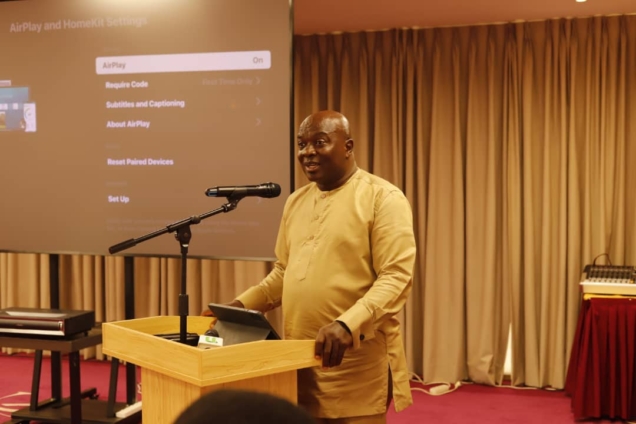
The President of the Ghana Publishers Association (GPA), Mr Asare Konadu Yamoah, has called for a renewed national commitment to the publishing sector, describing it as a “force that can shift the soul of a nation” and a “catalyst for Ghana’s economic and cultural transformation.”
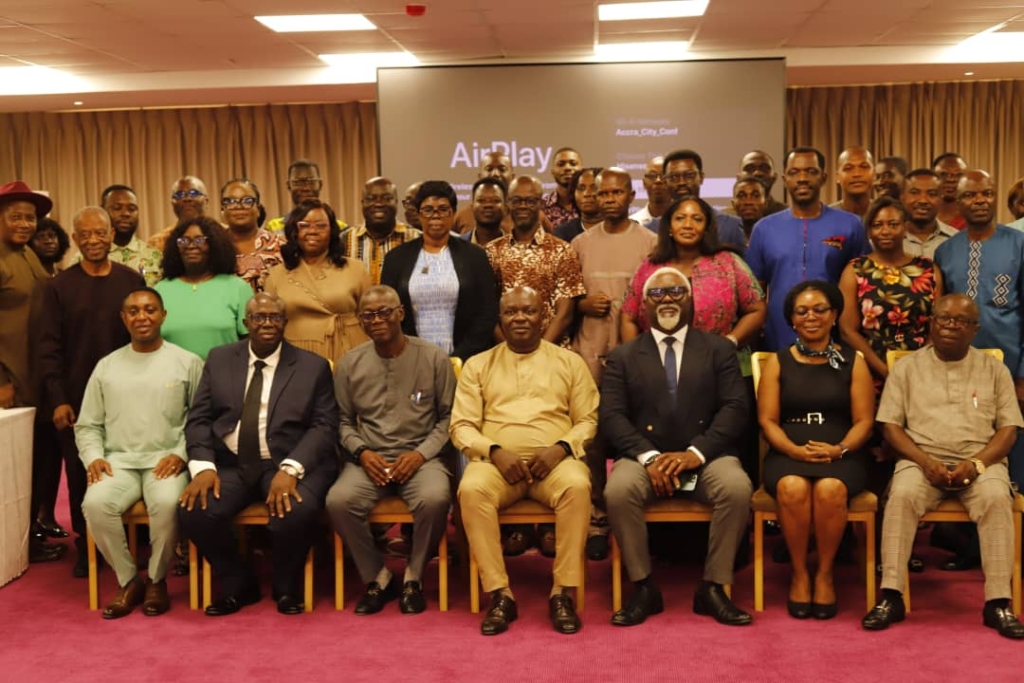
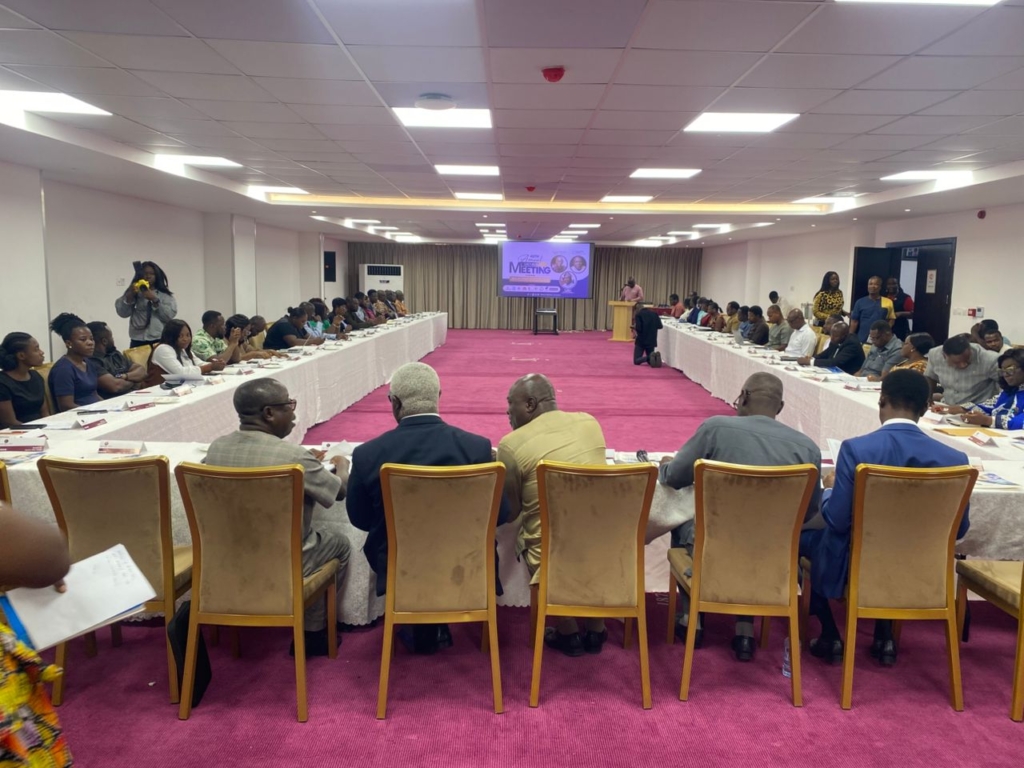
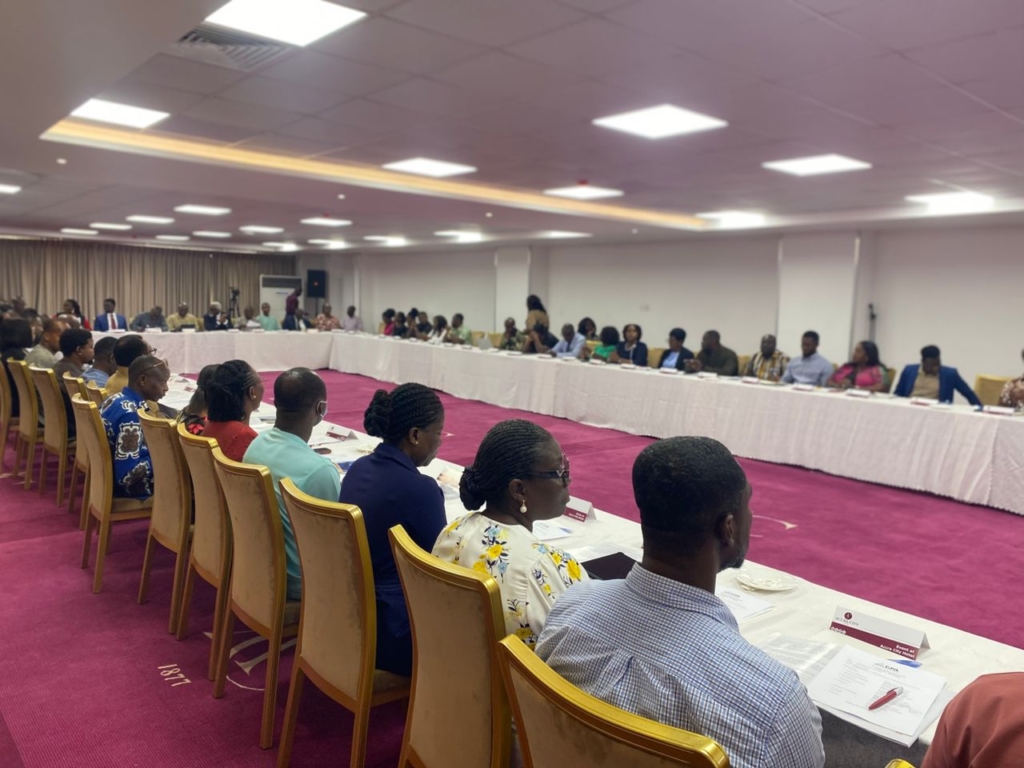
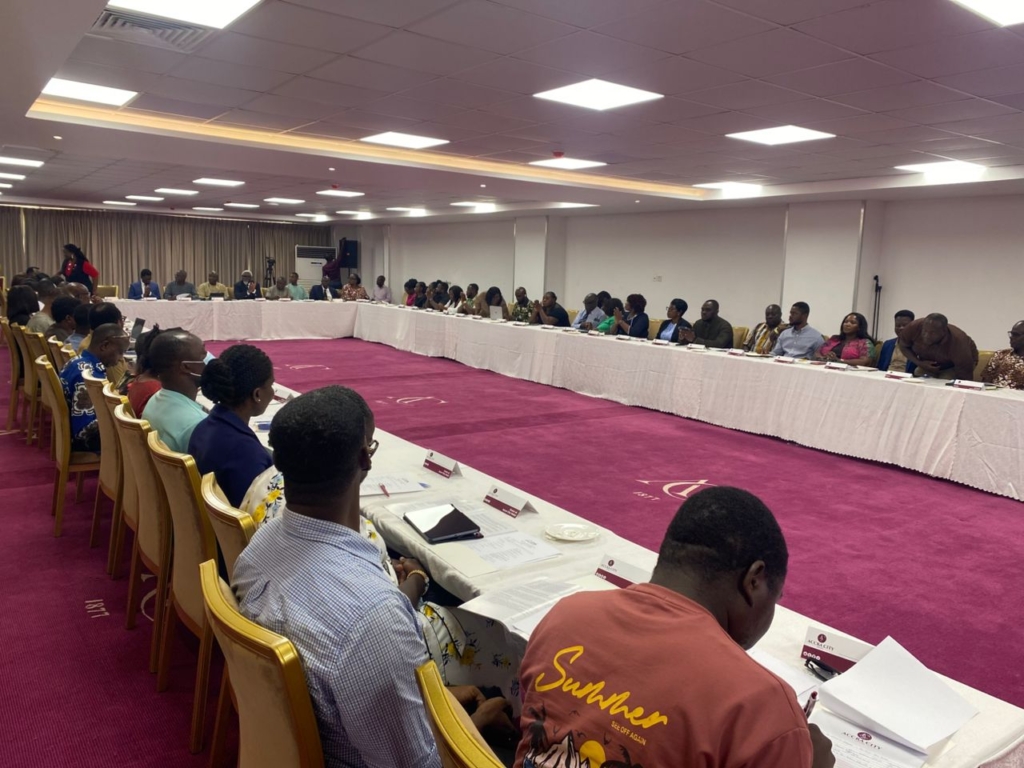
Speaking at the Association’s 48th Annual General Meeting at the Accra City Hotel, Mr Yamoah highligted the urgent need for policy reforms that recognise publishing as a central pillar in national development.
The event, themed “Policy as a Catalyst: Transforming Ghana’s Production Ecosystem for National Economic Growth,” brought together key stakeholders from government, education, and the creative industries.
“Publishing is more than an industry. It’s a cultural compass, a developmental engine, and a mirror of our identity,” Mr Yamoah declared in his opening remarks. “It preserves our stories, educates our youth, and amplifies the voices of our people. But quiet engines deserve louder recognition.”
He lamented that despite its immense contributions to literacy, civic consciousness, and cultural preservation, Ghana’s publishing sector remains “under-recognised, under-resourced, and under-leveraged.”
Policy as the Engine of Progress
Mr Yamoah described policy as “the architecture of possibilities,” noting that well-designed frameworks can drive innovation, inclusion, and equitable growth.
He urged government and industry players to collaborate in developing a comprehensive national publishing policy that aligns with Ghana’s educational reforms and youth development agenda.
He further called on policymakers to prioritise Ghanaian content in school curricula, ensuring that children learn from stories grounded in local values, languages, and lived experiences.
“We must champion policies that will prioritise Ghanaian content in educational curricula, including the use of our local languages as the foundation of learning,” he stated.
Innovation, Inclusion, and Intellectual Property
Emphasising the importance of innovation, Mr. Yamoah called for increased investment in digital publishing platforms and inclusive formats to reach persons with disabilities, multilingual communities, and marginalised youth.
He also highlighted the need to review the Copyright Act (Act 690 of 2005) to strengthen intellectual property rights and ensure fair remuneration for authors and creators.
“Fair remuneration and creative freedom empower authors, publishers, and cultural institutions to thrive and contribute to Africa’s literary legacy,” he noted.
On partnerships and cultural preservation, the GPA President advocated stronger public–private partnerships in textbook development, youth programming, and cultural preservation, urging government to create policies that attract direct investment into the publishing sector.
“Transforming the publishing industry must be collaborative,” he said. “It demands synergy between government, publishers, educators, civil society, and private sector institutions whose work aligns with publishing activity.”
A Continental Vision
Mr. Yamoah reminded stakeholders that Ghana must not lag behind in continental efforts to strengthen Africa’s publishing industry.
He referenced the Africa Rising campaign, launched in 2018 by the International Publishers Association and the African Publishers Network, and recent developments under the African Continental Free Trade Area (AfCFTA), which have created new opportunities for cross-border publishing.
“This is a clarion call for Ghana. We must seize this momentum,” he urged. “Let us work together to develop a comprehensive national publishing policy that offers direction, incentives, and global relevance.”
Reviving the National Framework
Recalling Ghana’s earlier initiatives, including the National Textbook Development and Distribution Policy (TDDP) and the National Book Development Policy, Mr. Yamoah called for their urgent review and revitalisation.
“Progress has been slow,” he admitted. “The TDDP is no longer a guiding framework, and fragmented book procurement policies have yielded limited impact. It is time for coordinated dialogue to make our policies relevant, purposeful, and future-facing.”
Mr Yamoah called on all publishers to become advocates for the industry and champions of policy transformation.
“Let policy be our catalyst. Let publishing be our legacy,” he said, adding, “Let Ghana rise, not only as a beacon of literacy and culture, but as a continental leader in publishing innovation, inclusion, and impact.”
Latest Stories
-
Landfilling waste management creates no value, it’s an economic waste
13 minutes -
Photos: Speaker Bagbin Commissions MPs constituency office under parliamentary decentralisation programme
29 minutes -
Black Stars technical advisor Winfried Schäfer sacked as GFA shakes up backroom staff
33 minutes -
Wenchi water project almost complete, critical to gov’t agenda – GWL MD
49 minutes -
Anti-LGBTQ+ bill not part of government’s legislative agenda – Inusah Fuseini
51 minutes -
Anti-LGBTQ Bill: Forget the rumour mongers, I’m a man of action, and will pass the bill – Speaker
2 hours -
Women and children among those killed in Sudanese army shelling of wedding celebration
2 hours -
President Mahama is not sincere with Ghanaians on LGBTQ bill matter – Hassan Tampuli
2 hours -
Gov’t to establish Prison Industrial Hub to equip inmates with income-generating skills – Prison Service boss
2 hours -
Alhassan Tampuli donates cement, roofing sheets to support storm victims in Gushegu
2 hours -
Alhassan Tampuli appeals for urgent support for storm victims in Gushegu
2 hours -
The hypocrisy must stop; pass Anti-LGBTQ+ Bill now – Alhassan Tampuli to Mahama
2 hours -
Imprisonment should be rehabilitative, not punitive – Ghana Prisons boss at UNGA
3 hours -
Ga Adangbe traditional priests petition Mahama over McDan aviation licence revocation
3 hours -
Anti-LGBTQ Bill: NDC’s arrogance is worrying – Hassan Tampuli
3 hours