

Audio By Carbonatix
Member of Parliament for Nhyiaeso, Kumasi, in the Ashanti region Dr Stephen Amoah, has criticised the 2025 Budget Statement, arguing that it lacks any significant policy shift to address Ghana’s economic challenges.
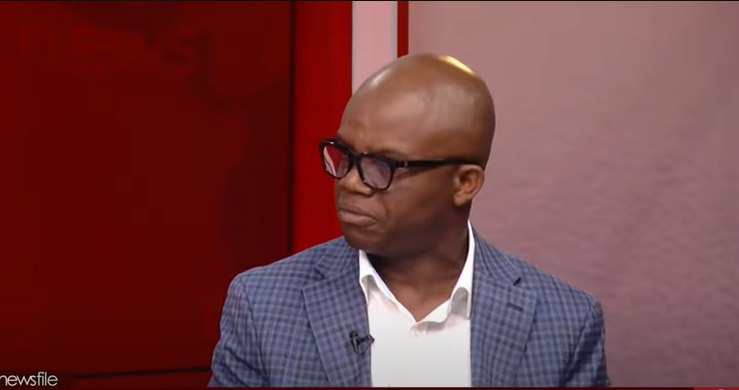
Speaking on JoyNews’ *Newsfile* programme on Saturday, 15th March 2025, Dr Amoah expressed concerns over what he described as a continuation of old strategies rather than a transformative economic agenda.
His remarks come in response to the 2025 Budget Statement, presented by Finance Minister Dr Cassiel Ato Forson on Tuesday, 11th March.
While the budget outlined measures aimed at fiscal consolidation and economic recovery, Dr Amoah contended that it failed to introduce bold, innovative solutions to Ghana’s economic woes.
“What we see in this budget is largely a continuation of the same policies. There is no real paradigm shift that will significantly alter our economic trajectory,” he remarked.
The Nhyiaeso MP stressed that Ghana’s economic challenges require fresh, forward-thinking policies that go beyond fiscal adjustments.
He noted that without substantial structural reforms, the country risks experiencing recurring economic setbacks.
“We cannot keep doing the same things and expect different results. If we are serious about economic transformation, we need a more aggressive approach to industrialisation, revenue generation, and job creation,” he stated.
Dr Amoah further argued that the government must focus on innovative strategies to expand the productive sectors of the economy. He highlighted the need for policies that drive local manufacturing, enhance private sector growth, and reduce dependence on external financial support. “We need deliberate policies that promote self-sufficiency, improve our export capacity, and strengthen our industrial base. This is what a real paradigm shift looks like,” he asserted.
He concluded by urging the government to reconsider its economic strategy and adopt more pragmatic solutions that will yield long-term benefits for Ghanaians.
According to him, while financial discipline is crucial, sustainable development hinges on policies that create wealth, foster entrepreneurship, and build a resilient economy.
Latest Stories
-
Hubtel willing to contribute to Ghana’s proposed AI fund – CEO
1 minute -
Nkrumah family pays tribute to Gamal, says he died after prolonged illness
11 minutes -
Police arrest eight suspects in anti-narcotics operation at Okaishie Drug Lane
22 minutes -
Benjamin Danso pledges grassroots empowerment in NDC regional chairmanship bid
24 minutes -
GES recommends reposting of Obuasi SHTS headmaster after August 2026 campus riot
27 minutes -
Rocky Dawuni celebrates King Ayisoba for taking traditional music global
39 minutes -
Ghana targets $5bn in annual economic gains from AI – Sam George
40 minutes -
From childhood dreams to future careers: Ecobank’s Big Pitch seeks to promote early savings and investment
43 minutes -
Public office demands make party work difficult for NDC appointees – Mahdi Gibril
44 minutes -
AI could deepen rural-urban inequality without better connectivity – Sam George
47 minutes -
One of six inmates who escaped from Konongo police cells rearrested
52 minutes -
Sam George cautions ministers against reading unverified AI-generated speeches
56 minutes -
Ghanaian entrepreneur Mary Nyamekye Asamoah wins Africa Travel 100 award
59 minutes -
Obuasi SHTS abuse: Sanction all officials who failed to act – Moving Masculinity
1 hour -
Lucy Agyepong honoured for excellence in engineering education at maiden GAAS Women’s Awards
1 hour